Brig. Mayank Awasthi, MD – North of Peregrine Guarding
For decades, physical guarding services have followed a largely reactive approach. Security personnel responded after an incident occurred, relying on manual observation, routine patrols, and basic surveillance systems. While this model has served organisations for years, today’s rapidly evolving risk environment demands a more intelligent and proactive framework.
With increasing urbanisation, complex infrastructure, and rising security expectations, traditional guarding methods are no longer sufficient on their own. This is where Artificial Intelligence (AI) is reshaping the future of physical security, transforming it from a response-driven function into a predictive, insight-led system.
Moving Beyond Traditional Limitations
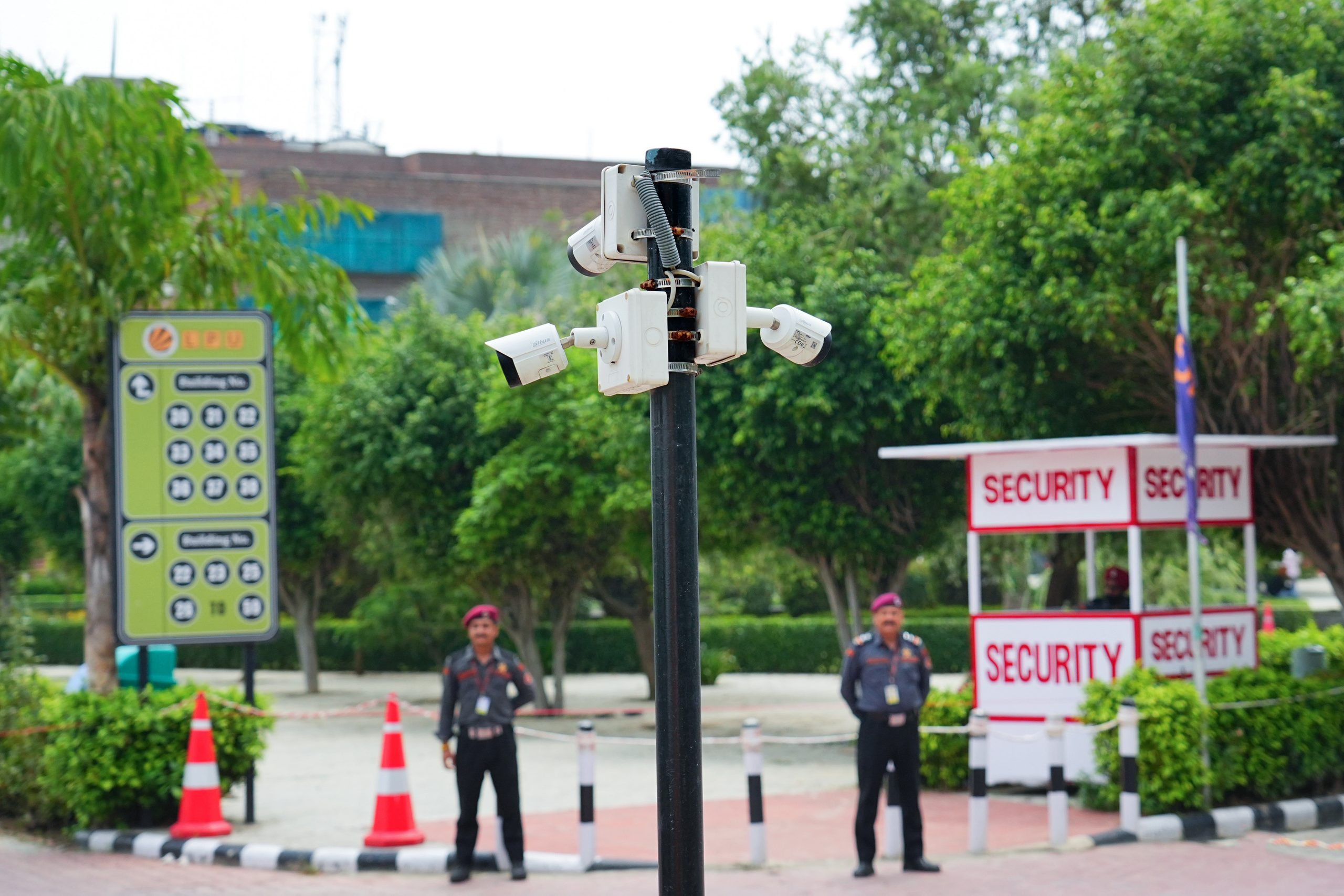
Conventional guarding depends heavily on human vigilance. Guards monitor CCTV feeds, conduct patrols, and report incidents after they occur. However, long shifts, information overload, and human limitations can affect consistency and response speed. In large facilities such as industrial plants, corporate campuses, logistics hubs, and data centres, even small gaps in monitoring can lead to serious risks.
AI addresses these challenges by enabling continuous, real-time analysis of security environments. Instead of relying solely on manual inputs, intelligent systems process large volumes of data, detect subtle patterns, and identify potential threats before they escalate.
AI as an Enabler of Predictive Security
AI-powered systems use advanced video analytics, machine learning, and sensor integration to create a comprehensive security ecosystem. These technologies analyse movement patterns, access behaviours, and environmental changes to highlight abnormal activities. For example, unusual loitering, unauthorised access attempts, or deviations from routine movement can be detected instantly.
Modern surveillance systems equipped with AI can also distinguish between harmless and suspicious activities. This reduces false alarms and ensures that security teams focus on real risks. Centralised monitoring platforms further enhance visibility by consolidating data from multiple sites into a single command interface, allowing faster coordination and response.
Over time, AI systems learn from historical data. By studying past incidents, footfall trends, and operational schedules, they develop predictive models that help anticipate potential vulnerabilities. This transforms security from a reactive shield into a preventive mechanism.
From Guarding Presence to Risk Prevention
One of the most significant shifts driven by AI is the transition from physical presence to proactive prevention. Instead of deploying guards uniformly across locations, organisations can now allocate resources based on real-time threat levels and risk assessments.
Patrol routes can be optimised using data insights, high-risk zones can receive greater attention, and response strategies can be refined continuously. As a result, security operations become more efficient, targeted, and cost-effective.
Predictive guarding also reduces response time. Early warnings enable teams to intervene before situations escalate, minimising damage, disruption, and safety concerns.
The Human–Technology Partnership
Despite rapid automation, human expertise remains central to effective security. AI excels at monitoring, analysing, and predicting, while trained personnel bring judgment, adaptability, and on-ground decision-making.
The future of physical guarding lies in this collaborative model. AI provides actionable intelligence, command centres evaluate risks, and guards execute precise interventions. This partnership strengthens situational awareness and reduces operational blind spots. Training programs are also evolving to equip guards with digital literacy and system-handling capabilities, ensuring seamless integration between manpower and technology.
Business Impact and Strategic Value
For enterprises, AI-enabled guarding delivers tangible benefits. It lowers incident rates, improves regulatory compliance, enhances transparency through digital reporting, and supports scalable security operations across locations. Employees, clients, and visitors also gain greater confidence in safer environments.
In sectors such as manufacturing, IT, BFSI, and critical infrastructure, predictive security strengthens business continuity and resilience against emerging threats.
Looking Ahead
As AI continues to advance, its integration with IoT devices, automated workflows, and intelligent analytics will further redefine physical guarding. Security operations will become increasingly data-driven, adaptive, and insight-focused.
The shift from reactive to predictive security is no longer a future concept—it is an operational necessity. Organisations that embrace this transformation today are better positioned to manage risks, protect assets, and ensure long-term stability. The AI revolution in physical guarding has begun, and it is setting a new benchmark for intelligent protection.