
Why tamper evidence and chain-of-custody are becoming essential to India’s supply chains

Sreekumar Narayanan
Chief Growth Officer, BNB Group
Every product begins with a promise. A medicine must reach the patient unchanged. Food must remain safe. A container leaving a factory should arrive with the same cargo inside. Cash, gold, electronics, documents and high-value components may pass through many hands, but their integrity should remain clear.
In a modern supply chain, security is no longer only about guarding a building. It is about proving what happened to a product while it travelled.

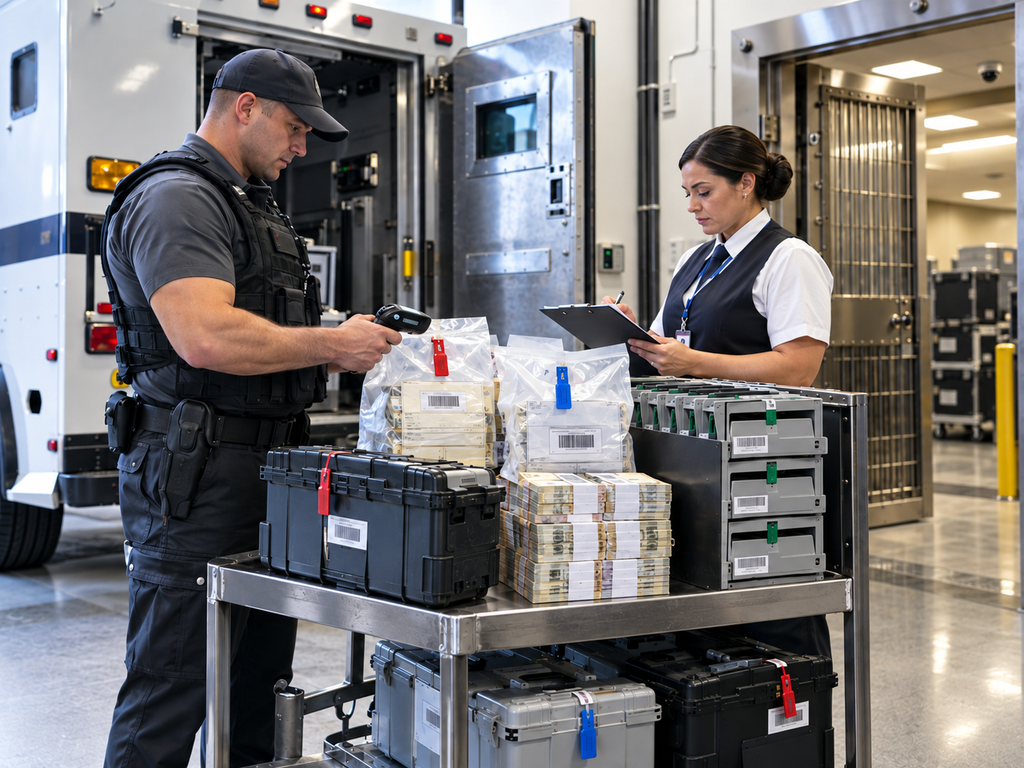
A numbered security seal, tamper-evident label, security tape or sealed bag provides a simple control. If somebody interferes with the protected item, there should be visible evidence. When the unique number is recorded at dispatch and checked at each handover, the seal becomes part of a chain-of-custody record.
From A Simple Seal to An Audit Trail
This matters because logistics disputes usually begin with basic questions – Was this the same package that left the origin? Who handled it? Was the container opened? Where did the discrepancy occur? A controlled seal process makes those questions easier to answer.

More Confidence, Less Uncertainty
For customers, visible tamper evidence increases confidence because cargo integrity is easier to verify. For companies, serialized seals, barcode or QR identification and controlled issue-and-return procedures improve accountability.
The benefit is not only theft prevention. Better chain-of-custody can mean faster investigations, clearer responsibility, better audit evidence and fewer arguments between consignor, transporter, warehouse, port, airline, customs and consignee.

International practice supports the same principle. ISO 17712:2013 sets requirements for mechanical seals used on freight containers. ISO 28000:2022 provides a wider framework for security management in supply chains. TAPA facility and trucking requirements are also widely used to reduce cargo-security risk.
What is a Regulated Industry?
An industry where laws or government rules control how products are made, packed, stored, identified, transported, sold or recalled. Examples include pharmaceuticals, healthcare, food, banking and cash handling, aviation, chemicals and precious metals.
In India, medicines and healthcare products operate under the Drugs and Cosmetics legal framework. Food businesses operate under FSSAI requirements, including traceability and recall obligations. Packaged goods are subject to Legal Metrology requirements. Gold and silver trade also uses BIS hallmarking and identification controls to support purity, authenticity and traceability.
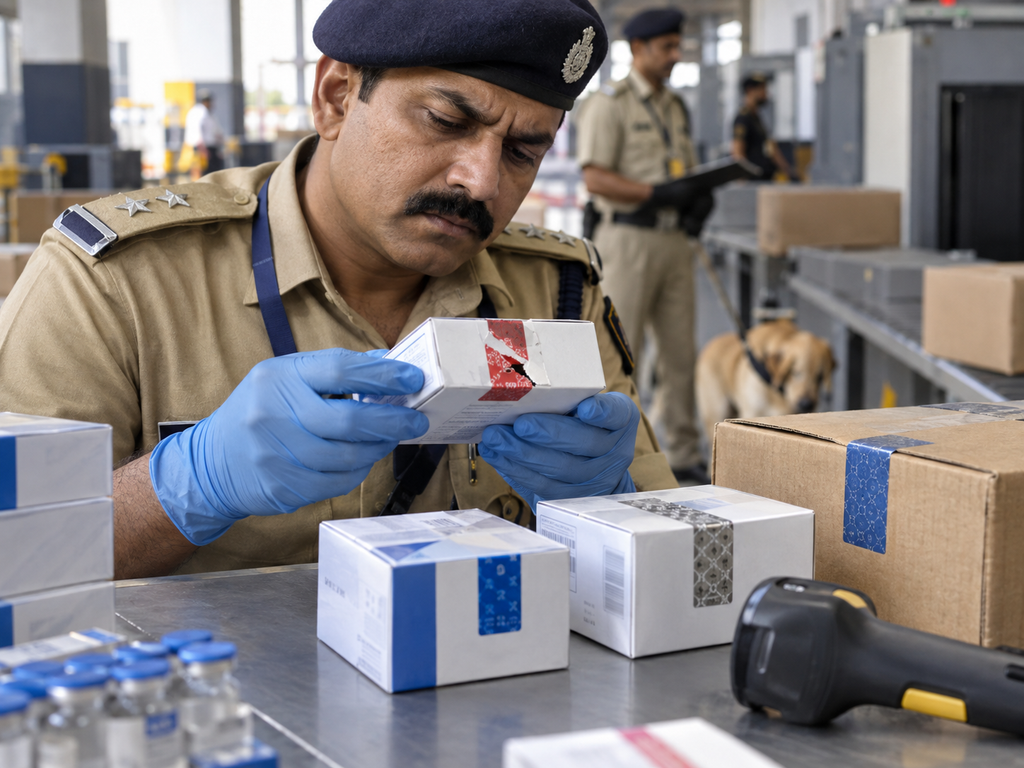
In these sectors, tamper evidence does not replace regulation. It strengthens the operating process by showing whether a protected package, pouch, case or container remained intact between defined custody points.
Security that Follows the Asset
A seal is only as good as the process around it. Organisations still need to decide what is being protected, what type of tampering must be detected, who may apply or remove the seal, how serial numbers are recorded, what happens when a seal is missing or damaged, and how evidence is retained.
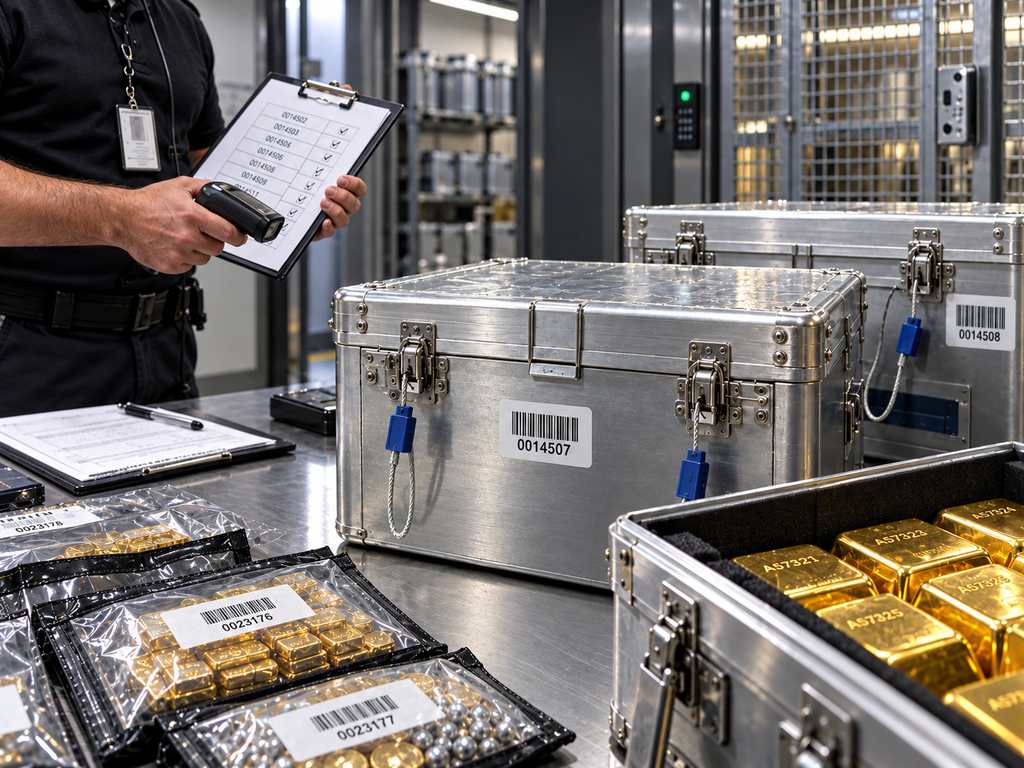
For gold, jewellery, electronics, cash and other high-value cargo, this discipline is especially important. The same principle applies to routine supply chains – every controlled handover should leave a simple, verifiable record.
“When implemented properly, tamper evidence becomes more than a seal. It becomes evidence that trust travelled with the product”
How Bnb-Mega Fortris Can Support Client Needs
The requirement may involve high-security bolt or cable seals for containers, pull-tight or fixed-length seals, tamper-evident bags, labels and tapes, or serialisation using barcode, QR, RFID or electronic identification.
BNB-Mega Fortris can support customers by starting with the risk and the custody journey rather than simply selecting a product – identify critical handover points, match the right tamper-evident device to the asset, define seal-control procedures, and connect the physical seal with inspection, recording and exception management.