
Category: Latest
Always Count on the Business Intelligence Insights Provided by AI Analytics Based on Video Security Data
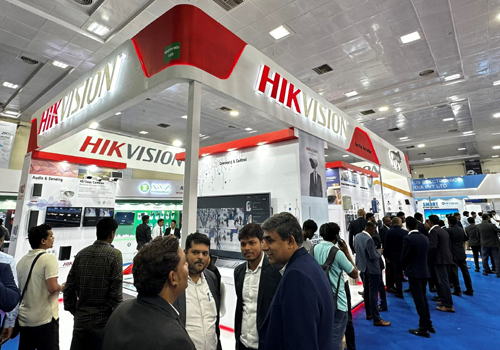
Business intelligence can provide additional data to help improve efficiency and gain customer loyalty by tailoring the shopping or service experience as per the customer’s expectations. These Business Intelligence insights are applicable to myriad application scenarios, including banks, ATMs, retail stores, malls, clubs, hotels, entertainment plazas, multiplexes, gaming arenas, casinos, hotels, health spas and gymnasiums, etc. One can always count on the business intelligence insights provided by AI Analytics based on Video Security Camera’s video data feeds. Banking Insights: Banking and security have always gone hand in hand. Now, with the introduction of smart AI solutions, banks can do even more to protect people and assets. First, AI-enabled video can provide a clear view of ATMs, helping to reduce potential risks. In addition, it also helps to monitor, detect and alert the command center. Smart video also helps banks know their customers better, providing optimal customer experience. With ‘people-counting’ features to show the flow and volume of customers, and visibility of ‘hotspots’ where most foot traffic flows, banks can create optimal layouts for every branch. All these things help banks manage their branches effectively and easily. Additionally, AI helps banks to improve the security of its day-to-day operations, helping them to build greater trust with customers and increase their competitive advantage. Retail Insights: Robust edge analytics are included with Hikvision cameras to enhance system productivity. These standard analytics coupled with Hikvision retail analytics such as queue monitoring, people counting, slip & trips, heat mapping, and POS integrations, Hikvision Digital Signage, Automated Staff time and attendance, ensure efficient operations. Club & Hotel Metrics: Business Intelligence solutions for clubs and hotels with the help of Hikvision Analytics allow them to make informed business decisions. With insights such as customer preferences, clubs and hotels can optimize their operations, enhance customer experiences, and stay ahead of the competition. Gymnasium Metrics: Business Intelligence data and insights in the Gymnasium’s scenario is a very helpful tool to understand the customers and their needs. Hikvision AI-powered video technology has the advanced edge analytics, they are embedded with Hikvision cameras to enhance system productivity. These standard analytics are queue monitoring, people counting, slip & trips, heat mapping. The other solutions like POS Integrations, Hikvision Digital Signage, Automated Staff Time and Attendance, ensure efficient operations. Hikvision has a wide selection of security cameras, access control and intercom systems, and DVRs/ NVRs featuring advanced analytics that enhance business intelligence, offer greater functionality, and improve security. These analytics are fueled by sophisticated Artificial Intelligence and Deep Learning algorithms that enable functional solutions to everyday business challenges.
A Fertilizer Industry In Senegal Employed a Matrix Communication Solution to Unify its Sites into a Cohesive Network
The client functions as a prominent producer of phosphate fertilizers in Sub-Saharan Africa. They began mining phosphate rock in the early 1960s and started producing phosphoric acid in the late 1980s. Their extensive industrial facility, located in Senegal, includes various sites such as Mining, an Acid Plant, a Fertilizer site, and a power plant. They mainly export their phosphoric acid to India and distribute their fertilizer products within West Africa and globally. Requirements The client had a pressing requirement to connect multiple sites and consolidate them using a single communication platform. Additionally, they were in search of a hybrid communication solution that could support both modern and traditional networks. Their needs can be outlined as follows: Solution Matrix, collaborating with Bintech, developed a Hybrid Communication solution tailored for this industrial leader. The solution had to address the challenge of linking remote locations while also leveraging the existing traditional networks preferred by the industry. While there was an opportunity to modernize through VoIP connectivity, analog terminals were also essential components of the solution. The Matrix solution includes: Results The Hybrid Communication solution effectively integrated disparate sites onto a common communication platform, utilizing both contemporary and conventional networks. Moreover, it enhanced communication through a range of features. The solution delivered: By combining contemporary and conventional networks, the Matrix solution distinguishes itself for its effectiveness, efficiency, distinctiveness, and readiness for the future.
Kunwar Vikram Singh Unanimously Re-elected as Chairman of CAPSI
The day-long proceedings of the CAPSI Governing Council Meeting witnessed active participation from Council members who expressed their unwavering support for Kunwar Vikram Singh’s leadership and vision for the development of the private security industry in India The Central Association of Private Security Industry (CAPSI) is delighted to announce the re-election of Kunwar Vikram Singh as its Chairman during the recent meeting of the Governing Council, held at PHD House, New Delhi. The decision was reached unanimously by the members present at the meeting, including representatives from 22 State chapters. The day-long proceedings witnessed active participation from Council members who expressed their unwavering support for Kunwar Vikram Singh’s leadership and vision for the development of the private security industry in India. Recognizing his successful tenure and remarkable achievements, the Governing Council reaffirmed their trust in his ability to guide CAPSI towards continuous growth and excellence. The Chairman felt overwhelmed on his re-election, and extended his gratitude to the Council by saying –“Friends, I am overwhelmed! I thank you very much for once again posing your confidence in me. We have come a long way and accomplished a lot. But we have yet to go a long way. We have a new mission in hand to cultivate a National Security Culture. In fostering it, we are committed to creating a supportive atmosphere that nurtures growth. It is important to create a culture of security within organizations. This means promoting a mindset where security is not treated as an afterthought, but incorporated into every aspect of our work processes. It involves regularly assessing and updating security measures, training employees on security protocols, and fostering a proactive approach to identifying and addressing vulnerabilities. It is crucial to remember that security is an ongoing process. It’s not a one-time job but something that requires continuous attention and adaptation. In addition to the re-election, the Governing Council made a significant decision to support the National Citizens Security Culture initiative. CAPSI recognizes the importance of creating a strong sense of national security among citizens, promoting awareness, and fostering a culture of safety and security. By aligning with the National Citizens Security Culture campaign, CAPSI aims to play a pivotal role in making India a safer and more secure nation for all. Furthermore, the Governing Council unanimously endorsed the ‘Stay Alert – Stay Secure’ program. This collaborative endeavor strives to educate individuals, businesses, and organizations about proactive measures to enhance security and prevent untoward incidents. CAPSI, under the leadership of Kunwar Vikram Singh, is committed to actively propagating this campaign and ensuring its successful implementation across the private security industry. The prominent dignitaries who addressed the Governing Council Meeting included Lt General Ashok Shivane (Retd.) – Strategic Advisor to the Chairman CAPSI; Bhagwan Shankar IAS (Retd.) – Advisor, CAPSI; Maj General Raju Chauhan –Advisor, CAPSI; Mahesh Sharma – Secretary General, CAPSI; V V Katti, National President –CAPSI; Anil Puri, National Vice President, CAPSI; Sudhir Bhasin, National Vice President, CAPSI; Anil Dhawan, National Vice President, CAPSI; D P Singh, Adv –President, CAPSI Bihar Chapter, and Brig Baldev Singh amongst others.
Sparsh CCTV Takes Lead in ELCINA’s Seminar
‘Emerging Opportunities for Security Products Industry in Heightened Risk Scenario’ As a key advocate for Atma Nirbhar Bharat in the surveillance industry, Sparsh CCTV, a Technological Virtuoso, was a prominent presence at the seminar on ‘Emerging Opportunities for the Security Products Industry in a Heightened Risk Scenario,’ organized by ELCINA. This role reaffirmed Sparsh CCTV’s dedication to designing and manufacturing in Bharat. India is evolving at an unprecedented rate, necessitating the advancement of policies that promote local manufacturing and reduce dependence on neighboring nations. Sparsh CCTV has consistently been at the forefront of technological innovation and thought leadership, actively engaging in discussions to promote best practices in the security and surveillance industry. Promoting this initiative, Sparsh CCTV showcased their comprehensive range of STQC certified products at their booth, captivating visitors with their advanced security solutions. The display not only highlighted the technical excellence and reliability of their products but also underscored their commitment to quality and innovation in the surveillance industry. Attendees were impressed by the cutting-edge features and the robust performance of Sparsh CCTV’s offerings, making the booth a focal point of interest and engagement at the event. Sanjeev Sehgal, MD and CEO of Sparsh CCTV, delivered the keynote address, discussing the recent PPO and CRO initiatives and their transformative impact on the industry. He emphasized how these measures are crucial steps towards enhancing national security and protecting against cyber threats and data leakage. The session continued with a panel discussion, also moderated by Mr. Sehgal. He had an engaging conversation with Ms. Asha Nangia, Scientist G and Group Coordinator, Ministry of Electronics & IT (MeitY), about the policymakers’ considerations while drafting the PPO and CRO for CCTV cameras with ER for Cyber Security and its potential to boost domestic manufacturing. The discussion was followed by a query to A.V. Murlidharan, Director General of GeM, regarding policy implementation on the GeM platform and its benefits to the industry. The dynamic panel discussion concluded with insights from Ms. Aurosmita Kabiraj, Scientist D & Joint Director Bureau of Indian Standards (BIS), on implementing the additional ER requirements in BIS, and Ms. Rashmi Bhangale, Assistant Vice President & Head PMO at Jio Platforms Ltd, on aligning Reliance’s CCTV infrastructure with the new policy. Summing up the session, Mr. Sehgal commended MeitY for enforcing this much-welcomed policy, which boosts domestic manufacturers. ELCINA’s seminar served as a catalyst for meaningful dialogue and collaboration within the electronics industry and among key stakeholders, paving the way for greater innovation and growth opportunities for domestic manufacturers. As a leading security and surveillance partner, Sparsh CCTV remains committed to driving positive change and shaping the future of the surveillance industry in India by being the first Indian company to be fully compliant with the policy across its entire product range.
Introducing Vicon Security: A Trusted Partner in Comprehensive Security Solutions
Vicon Industries, an industry-leading global supplier of end-to-end security solutions since 1967, has increased its commitment to the Indian market this year. Following their launch in the region in January 2023, Vicon has inaugurated a dedicated sales unit, complemented by an immersive experience center in Viman Nagar, Pune. This strategic move underscores Vicon’s commitment to providing personalized service and support, ensuring that customers have access to hands-on demonstrations and expert guidance. A Legacy of Excellence With a legacy spanning over half a century, Vicon brings unparalleled expertise and reliability to integrators and end-users around the globe – and now, in India. In that time, Vicon has seen the security industry go from analogue to digital, from physical to electronic, and from reactive to proactive. Today, Vicon’s focus is on developing end-to-end security solutions that perform when it matters most, building a range of products and solutions designed to meet the evolving needs of the industry. Throughout these changes, Vicon has been at the forefront of innovation, developing new products and services that have helped shape the industry, from the first pan-tilt-zoom cameras to the first analogue matrix switching systems that paved the way for the video management systems used across our entire industry today. NDAA Compliance Across the Board In an era marked by heightened concerns over data security and regulatory compliance, Vicon ensures that its entire portfolio adheres to NDAA compliance –a U.S. legislation which mirrors the Indian government’s ban on the use of certain Chinese-made technology for government projects in 2020. This dedication to rigorous standards underscores Vicon’s commitment to ethical business practices, solidifying its position as a trusted partner in security solutions by governments around the globe. A Single Source, Open Platform Vicon’s single-source, end-to-end approach provides all the necessary components to build a security system, including VMS, access control, intelligent cameras, and servers, all from one place, ensuring seamless integration and limited downtime. Vicon thoroughly tests and quality controls all its products before shipping, to meet customers’ expectations. In the rare event of an issue, only one contact is needed for support, removing the hassle of dealing with multiple suppliers. For those wanting to mix and match their system, Vicon maintains an open platform – all their cameras comply with ONVIF (Open Network Video Interface Forum) standards, ensuring compatibility with other VMS or previously installed cameras, provided those are also ONVIF-compliant. The value of the flexibility offered by an open platform is significant. It allows customers to build the system to precise specifications, shop across manufacturers for the best price, and easily expand the system over time. Features like automatic discovery and configuration of new devices by their VMS, Valerus, prove particularly valuable, saving time and money by streamlining the installation at every step. Valerus VMS: A Comprehensive Solution Central to Vicon’s holistic approach is Valerus, a fully-fledged Video Management System (VMS). Equipped with both web and desktop clients, Valerus empowers users with seamless control and monitoring capabilities, ensuring maximum efficiency and peace of mind. In addition to monitoring cameras, Valerus allows you to monitor video, access control, ANPR, and server status from one interface–simplifying the process for operators and providing a comprehensive view of the system on a single screen. By centralising platforms, users can set rules based on various factors such as doors, locks, line crosses, loitering, crowds, and number plate recognition. This frees the end-user to respond to issues before they escalate. Driving Growth in India Gaurav Taywade, Director of Operations at Vicon, asserted, “India’s rapid growth presents a myriad of challenges and opportunities, particularly in the realm of security. With Vicon’s entry into the market, we are poised to meet the evolving needs of Indian businesses and individuals. Our state-of-the-art solutions, backed by decades of experience, position us as the ideal partner for navigating the complexities of today’s security landscape.”
A Conference on New Age Threats, New Edge Mitigations
The inaugural annual conference of the International Council for Industrial Security, Safety & Management (ICISSM) took place on Friday, May 10, 2024, at the Institute of Social Science in Vasant Kunj, New Delhi. Attended by a distinguished gathering from the fraternity, representing various parts of the country, the conference received a warm welcome. With the theme ‘New Age Threats, New Edge Mitigation,’ the event featured keynote addresses and panel discussions aimed at sharing knowledge and fostering insightful deliberations. Commencing punctually with the National Anthem and the traditional lamp lighting ceremony with Ganesh vandana, the conference was inaugurated. Maj Gen. Vikram Singh, Chairman of ICISSM, highlighted the significance of embracing new-age technologies in his welcome address. He emphasized the rapidly evolving nature of security practices due to technological advancements and briefed the attendees about the diverse activities, courses, and training programs offered by ICISSM. Following his address, Maj Gen. Singh officially declared the conference open. Kunwar Vikram Singh, Chairman of CAPSI, graced the occasion as the chief guest. In his address to the audience, he underscored the imperative of fostering a culture of security. Drawing examples from history, he elucidated how the martial spirit of India was historically entrusted with the security of a nation comprising 25% of the national population. However, he noted a decline in this aspect, attributing it to various external influences and increased global exposure. Before concluding his remarks and extending wishes for a successful conference, he emphasized that security is a collective responsibility and should be regarded as a ‘Rashtriya Dharm’ (national duty). The first panel discussion of the day titled “Synergy between Security & EHS – Adoption of Industry Best Practices” was expertly moderated by Col. D. R. Semwal, Chief Patron of ICISSM. He kicked off the discussion by stating that in today’s world, security and EHS (Environment, Health, and Safety) are increasingly converging. Nachiket Vaze emphasized that security and safety are essentially two sides of the same coin, stressing the importance of achieving synergy between them. Capt A A Collaco addressed the complexity of integrating security and EHS, noting that they often operate in silos due to different priorities. He also highlighted the growing integration of ESG (Environmental, Social, and Governance) into these functions, acknowledging the resistance to change and the role of technology in facilitating integration. Nand Kishore proposed a comprehensive four-point plan for success: Risk Analysis, a Culture of Compliance, Training & Awareness, and Allocation of necessary resources. He emphasized the importance of self-belief and envisioned a future where security managers operate as business managers. Finally, Jeetendra Singh emphasized the critical need for collaboration between security and EHS in healthcare settings, stressing that working in silos is simply not viable for healthcare facilities. Despite feeling unwell, Capt. Garry Singh, the first keynote speaker, honoured his commitment to the fraternity and the council. He delivered an insightful talk on the “Impact of Global Disturbances on Internal Security in India.” Using current examples like the geo-political situations with Russia & Ukraine, Israel, Palestine, and Iran, he illustrated his points. Mr. Singh emphasized that the Security Industry is the largest in the world because of its necessity. He further stated that the impact on internal security correlates with two factors: (a) the diplomatic relationship with the country/region of conflict and (b) the distance from the area of impact. In panel discussion number 2, moderated by Dr. R K Tyagi, the focus was on the transition from “home to homeland” and the shaping of security culture in India. The panel comprised young yet seasoned security professionals from diverse roles within the sector. The consensus underscored the paramount importance of cultivating a robust security culture. Captain Gaurav Bajetha succinctly encapsulated this notion, emphasizing that a security culture ultimately saves lives. He emphasized the pivotal role of early education, advocating for the integration of security and safety principles into the curriculum from a young age. Prashant Shishodia echoed this sentiment, asserting that a well-trained and aware populace fosters a culture of security, which, in turn, nurtures a peaceful and prosperous society. He emphasized the need for instilling this awareness in children during their formative years, concurring with Gaurav’s stance on early education. Ankit Sabharwal highlighted the significance of skilled and competent security professionals, emphasizing the critical role of ongoing training and awareness-building initiatives. He emphasized that such efforts not only benefit organizations but also contribute to fostering a culture of security at the community and national levels. Chakradhari Rowe referenced a campaign initiated in the United States post-9/11, encapsulated in the phrase “If you see something, say something.” However, he noted that this adage has evolved over time to align with contemporary challenges. He proposed a revised approach: “If you see something wrong, do something right.” He emphasized the individual’s responsibility to identify, isolate, and mitigate threats, highlighting how these actions collectively contribute to the cultivation of a security-conscious culture within society. During his keynote address, Sanjeev Sehgal, the founder and managing director of Sparsh CCTV, highlighted the significance of recent government notifications, namely the Public Procurement Order (PPO) and Compulsory Registration Order (CRO). He emphasized that these directives mark a significant triumph for the “Make in India” initiative. Sehgal elaborated on how these orders establish essential requirements for all CCTV procurements, affecting both public and private sectors. Notably, these mandates encompass hardware and software components alike. Maj. Gen. Sanjay Soi delivered an outstanding presentation, providing a comprehensive analysis of quality service delivery in the security sector and aligning it with end-user expectations. Through recent research and insightful data, he illustrated the standards, both strategic and tactical, emphasizing the importance of meeting user expectations. He presented graphical representations highlighting the nuances of user expectations and concluded with a practical checklist for end users, stressing the balance between service quality and expenses. As a surprise, before the lunch break, Dr. R K Tyagi from CISS Services Limited took the stage to honour Major General Sanjay Soi and Capt. (Prof.) SB Tyagi for their outstanding dedication to training and…
Unraveling the Dynamics – Does AI Complicate or Simplify Cybersecurity?
Gaurav RanadeCTO, RAH Infotech The integration of artificial intelligence (AI) into cybersecurity has sparked intense debate and speculation in recent years. On one hand, there’s the promise of AI revolutionizing defense capabilities, while on the other, concerns about its potential pitfalls loom large. As businesses grapple with the daunting task of safeguarding their digital assets against a myriad of cyber threats while staying in line with the AI adoption trend, the question arises – does AI complicate or simplify cybersecurity? To unravel this conundrum, we must first understand the intricate interplay between AI and cybersecurity, and how these two realms intersect to shape the future of digital defense. Join us as we delve into the profound impact of AI and its potential to revolutionize the cybersecurity landscape. The Promise of AI for Cybersecurity The advantages of AI in cybersecurity are manifold, offering a paradigm shift from traditional systems. While 53% of organizations are in the early stages of AI adoption, 93% of security leaders anticipate its transformative impact within five years, with 89% actively pursuing AI projects. This growing adoption highlights the advantage AI offers for cybersecurity. Here are a few ways AI revolutionizes cybersecurity: Machine Learning Advantage At the heart of AI lies machine learning (ML), enabling systems to autonomously learn from past experiences without human intervention. As developers continuously refine ML capabilities, AI evolves to anticipate and counter future threats, akin to human learning but without the constraints of time-consuming input. Enhanced Pattern Recognition ML, complemented by human training, empowers AI to discern meaningful patterns within vast datasets, minimizing false positives and focusing human operators’ attention on critical issues. This mitigates the common challenge of alert fatigue, where operators risk oversight amidst an inundation of unnecessary alerts. Automation of Laborious Tasks AI automates labor-intensive tasks such as event monitoring and analysis, enhancing the efficiency and efficacy of cybersecurity operations. By relieving human operators of mundane tasks, AI allows them to focus on strategic decision-making and threat mitigation. Closing the Workforce Gap The integration of AI addresses the 2023 projected shortfall of 3.5 million cybersecurity professionals. AI-powered tools like endpoint detection and response (EDR) and security orchestration, automation, and response (SOAR) bolster defense capabilities, bridging workforce gaps and fortifying resilience against evolving threats. Future Reshaping Looking ahead, AI’s integration is poised to further reshape cybersecurity landscapes. According to an IDC report, By 2026, 85% of enterprises are expected to leverage AI, ML, and pattern recognition to augment human expertise, enhancing productivity and foresight amidst evolving threats. Complexities in AI-driven Cybersecurity While the integration of artificial intelligence (AI) holds immense promise in cybersecurity, it also presents a myriad of challenges and risks. Here’s a closer look at the complexities involved: Data Privacy Concerns The adoption of AI in cybersecurity necessitates access to large datasets, raising significant data privacy concerns. As AI systems require extensive data for training and analysis, organizations must navigate governance complexities to ensure compliance with privacy regulations and mitigate associated risks. Reliability and Accuracy Ensuring the reliability and accuracy of AI-driven cybersecurity systems is paramount. These systems are susceptible to false positives and negatives, which can undermine their effectiveness. Robust data preparation processes play a crucial role in enhancing reliability and accuracy, mitigating risks associated with data poisoning and algorithmic biases. Transparency Challenges The lack of transparency in AI systems poses a significant challenge for cybersecurity experts. Without clear insights into how AI arrives at specific decisions, validating and understanding these decisions becomes difficult. Addressing transparency challenges is essential to foster trust and confidence in AI-driven cybersecurity solutions. Bias Mitigation Bias, both in training data and algorithms, represents a critical concern in AI-driven cybersecurity. Biased data and algorithms can lead to skewed outcomes and undermine the fairness and effectiveness of cybersecurity systems. Mitigating bias through comprehensive data collection, preprocessing, and algorithmic adjustments is essential to ensure the integrity and equity of AI-driven cybersecurity solutions. In conclusion, the role of AI in cybersecurity is both promising and precarious. While it offers unprecedented potential to fortify defense mechanisms and combat evolving threats, its integration demands a delicate balance. By acknowledging the complexities and embracing best practices, organizations can unlock the transformative capabilities of AI, navigating the intricate cybersecurity landscape with resilience and foresight. In this interplay between innovation and risk, strategic implementation becomes the linchpin for success, propelling organizations towards greater security and readiness in a dynamic digital ecosystem. *Views expressed in the article are solely of the Author
Mastering HTTP DDoS Attack Defence: Innovative Strategies for Web Protection
Jaspal SharmaTechnical Director – India & Middle East Radware Understanding HTTP DDoS Attacks An HTTP DDoS attack is a type of denial-of-service attack where the attacker aims to make a website or web service unavailable to its intended users by overwhelming the target with a flood of HTTP requests. These attacks exploit the stateful nature of the HTTP protocol, consuming server resources and bandwidth to the point where legitimate requests cannot be processed. Unlike other DDoS attacks that rely on volumetric tactics to saturate the network layer, HTTP DDoS attacks are more insidious. They typically require fewer resources from the attacker, making them not only cost-effective but also harder to detect and mitigate. Attackers often use compromised web servers and botnets to launch such attacks, further complicating the identification of malicious traffic. Understanding HTTP DDoS Attacks & Radware’s Mitigation Strategies In the ever-evolving landscape of cyber threats, Distributed Denial of Service (DDoS) attacks remain one of the most pervasive and damaging types of cyberattacks. Among these, HTTP DDoS attacks specifically target the layer at which web applications operate, making them both sophisticated and challenging to mitigate. With over a decade of experience in the cybersecurity industry, Radware has established itself as a leader in providing cutting-edge solutions to protect against such threats. This article aims to educate the market on HTTP DDoS attacks and demonstrate how Radware’s innovative products offer robust protection and mitigation strategies. The Threat Landscape The threat landscape for HTTP DDoS attacks is constantly expanding, with attackers continually developing new techniques to evade detection. Some common methods include using HTTP GET or POST requests to consume server resources, leveraging malformed HTTP headers to confuse web applications, and employing slowloris attacks that open and maintain multiple connections to the server without closing them, eventually exhausting server resources. These attacks can have devastating effects on businesses, including service disruption, loss of customer trust, and significant financial losses. The need for effective mitigation strategies has never been more critical. Radware’s Mitigation Solutions Radware’s approach to mitigating HTTP DDoS attacks is multifaceted, combining advanced detection techniques with proactive mitigation strategies. At the core of Radware’s solutions is the DefensePro product line, which includes real-time, behavioural-based detection capabilities that can accurately distinguish between legitimate traffic and DDoS attacks. Detection and Mitigation Radware’s DefensePro utilizes advanced algorithms and machine learning to analyze traffic patterns and identify anomalies that may indicate an HTTP DDoS attack. Once an attack is detected, DefensePro immediately initiates mitigation strategies tailored to the specific characteristics of the attack. This ensures that legitimate traffic is not impacted, maintaining service availability and performance. Behavioural-Based Analysis Unlike traditional DDoS mitigation solutions that rely on predefined thresholds and signatures, Radware’s solutions use behavioural-based analysis to dynamically adapt to changing attack patterns. This allows for the detection of sophisticated, multi-vector attacks that might otherwise go unnoticed. Cloud DDoS Protection In addition to on-premises solutions, Radware also offers cloud-based DDoS protection services. Radware’s Cloud DDoS Protection Service provides scalable, elastic DDoS mitigation capabilities, ideal for businesses that operate significant online services. This service leverages global scrubbing centres to absorb and mitigate attack traffic, redirecting only clean traffic to the customer’s infrastructure. Integrated Application & Network Security Radware’s solutions are designed to provide comprehensive protection across both application and network layers. This integrated approach ensures that businesses are protected against a wide range of cyber threats, from volumetric network attacks to sophisticated application-layer attacks. Best Practices for HTTP DDoS Protection While Radware’s products offer robust protection against HTTP DDoS attacks, it’s essential for businesses to adopt a proactive security posture. Some best practices include: Conclusion HTTP DDoS attacks represent a significant threat to businesses operating online. However, with Radware’s cutting-edge detection and mitigation solutions, organizations can protect themselves against these attacks, ensuring their services remain available and secure. By combining advanced technology with best practices in cybersecurity, Radware empowers businesses to stay one step ahead of cyber threats. In the face of an ever-changing cyber threat landscape, Radware’s commitment to innovation and excellence in cybersecurity offers businesses the assurance they need to operate confidently in the digital world.
IIRIS Opens Nigeria Office with Satyagopal Bhanja as CEO
IIRIS, the new age digital and risk consulting firm, has opened office in Lagos, Nigeria. IIRIS pioneers new-age solutions blending technological and human interventions and this strategic expansion will facilitate welcoming of top solutions for the Nigerian market. IIRIS’s Nigeria office will be part of Gulf & Africa Region of IIRIS operations. The region is headed by Ms. Sagarika Chakraborty who commented that this is just first office in Africa for IIRIS and there is likely to be strong growth in the region with more offices planned in the region. Leading this venture as CEO of IIRIS Nigeria is Satyagopal Bhanja, a seasoned professional with over two decades of experience in risk management and corporate governance. His appointment underscores IIRIS’s dedication to providing top-tier leadership and expertise to its operations in Nigeria. “We are thrilled to establish our presence in Nigeria, a market brimming with potential,” stated Satyagopal Bhanja, CEO of IIRIS Nigeria. At the heart of IIRIS’s offerings is its mission to revolutionize risk consultancy through cutting-edge digital technologies. By leveraging solutions such as artificial intelligence, IIRIS aims to transform the risk and security management landscape, offering tailored solutions to meet the specific needs of Nigerian businesses. “With Nigeria embracing digital transformation, IIRIS is well-positioned to become the go-to resource for forward-thinking risk management solutions,” added Satyagopal Bhanja. In addition to serving businesses, IIRIS is committed to supporting Nigeria’s future leaders by fostering partnerships with educational institutions. Through initiatives focused on digital literacy and innovation, IIRIS aims to empower the next generation of Nigerian leaders to navigate complex risk landscapes with confidence. As IIRIS embarks on this new chapter in Nigeria under Satyagopal Bhanja’s leadership, the company remains steadfast in its mission to deliver excellence in risk management and drive tangible results in the Nigerian market.
Uniview (UNV) Participates in Project Heads, Architects Consultants Conclave (PACC), Kolkata
Touches upon Eminent Topics of FSAI Suraksha Index Uniview (UNV) participated in the recently held Project Heads, Architects Consultants Conclave (PACC) organised by Fire Security Association of India (FSAI) in Kolkata. At PACC the company was able to get encouraging response from all dignitaries through UNV product presentation, demo on UNV booth and active representation in panel discussions. Some excerpts from discussions UNV put across points on ‘From Policies to Practice: Unveiling the Modern Dynamics of Safe & Secure Bharat through FSAI Suraksha Index.’ “When we talk about Surveillance, we talk about cameras, its quality, resolution (Megapixel etc.), and other important factors such as bandwidth consumption and security of the stored data. UNV is adept in addressing this important concern as it lays emphasis on technology & innovations. Beyond industry standards of H.264, 265, UNV has smart coding that’s Ultra Code (UCode) which helps save on bandwidth and storage by approx 50% compared to h.265, while retaining the quality,” Said Sumit Arya, VP, Uniview. UNV offers redundancy at Hard Disks level via RAID 0,1,5,10, etc. So even if few HDs fail, data is not lost. Also, the system is protected through power supply redundancy. Now everyone talks about IoT, AI, Machine Learning etc., to reduce manual interventions and enable accurate forensic analysis using metadata from cctv video footage – what are the innovations in this segment? UNV offers more than 30 AIs available in the industry like – attribute search, safety AI like open flame, fire, smoke detection; safety gears like no helmet, uniform, mask detection; behaviour analytics like fight, on phone, drowsy, fall detection etc. Unv offers quite few analytics on board camera; and if the camera doesn’t have onboard ones, Unv offer AI at NVR level & AI box, which turns plain vanilla camera into AI enabled solution. During the PACC, UNV also expressed views in Tech Varta Express – Elevating Business Through Corporate Security: A Strategic Enabler. This topic resonates with UNV tag line ‘Better Security, Better World.’ Besides, UNV highlighted challenges in surveillance sector & how UNV offers solutions to address them.