How Thermal Cameras Help in Resolving the Critical Building Maintenance Issues
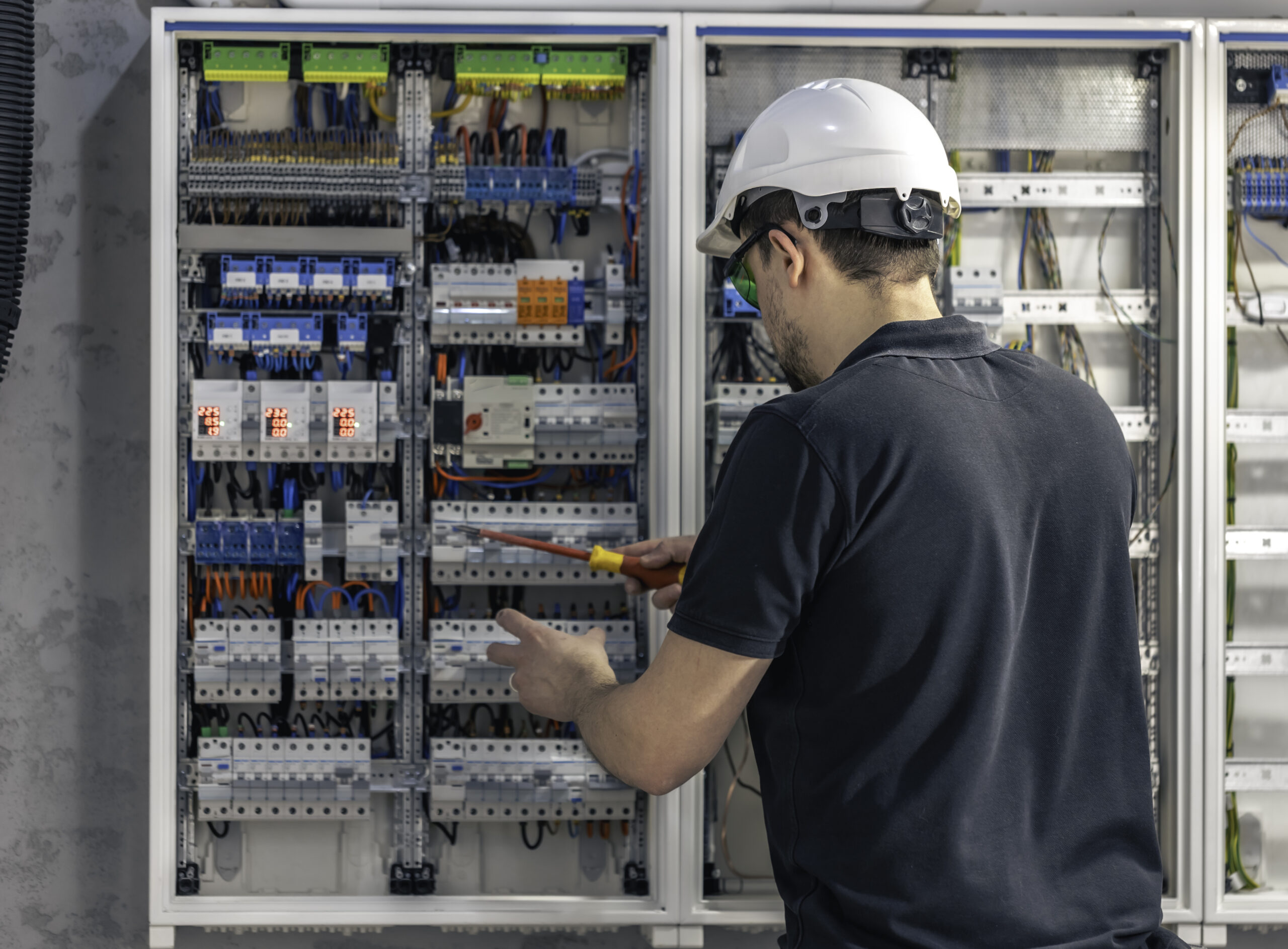
Hikmicro Thermal Cameras help identify critical issues in buildings for residential and commercial purposes. Thermal cameras don’t see walls. They see problems hiding inside them. In India’s climate and construction conditions, it is a special power that can be harnessed to identify and address the critical issues faced by building maintenance staff. Here’s where Hikmicro Thermal Cameras add value to building maintenance through its Thermal technology, products, and solutions. India specific challenges The India-specific problems are unique to Indian states and regions; they are markedly different from those in the US, the UK, and other European regions in terms of building maintenance. Let’s understand why thermal cameras matter in India-specific conditions and what kinds of building risks they detect. India has different climate scenarios in the North, East, West and South regions. There are places where extreme heat exceeds 45°C. There are wet regions where monsoon and humidity rule. There is a consistent challenge of electrical overload, AC strain, water ingress and mould. The other building maintenance challenges include mixed construction quality, poor insulation, hidden leakage, and uneven load distribution. The constant power fluctuations and old wiring create new issues related to Hotspots, fire risk, and energy waste. All these issues add up, leading to high energy costs. The AC leakage through windows and walls causes a 30% increase in the electricity bill. Most issues are invisible until the bill spikes, the wall peels, or the fire starts. Thermal makes them visible in seconds. Using Hikmicro thermal cameras, facility managers can instantly pinpoint unseen building faults – such as electrical hotspots, roof leaks, and more. These non-invasive, predictive cameras measure surface temperature differences to identify underlying defects long before they cause costly downtime or structural damage. The most critical building maintenance issues easily identified by these thermal devices include: Electrical Faults & Safety Hazards Excessive heat is the primary early warning sign for electrical issues. Cameras immediately detect unbalanced loads, loose connections, and overloaded circuits. Catching hot breaker switches at an elevated 65°C, rather than the normal 35°C, prevents full power outages and serious fire risks. Damaged wires, electrical components, and connections would cause a variety of problems. Faulty wiring or components ageing may result in electronic damage due to overload. Electric sparks can cause large-scale fires, leading to property damage and even injuries to civilians. By diagnosing the issue early, technicians can make repairs before a total failure occurs. Moisture Intrusion & Hidden Water Leaks: Water has a higher thermal capacity than surrounding materials. Leaks from roofs, pipes, or stucco show up as distinct temperature anomalies. Wet insulation, framing, and drywall appear as colder spots, helping you address mould before it spreads. Air Infiltration & HVAC Leaks: Thermal cameras map airflow patterns, allowing technicians to spot unsealed windows, faulty door seals, and HVAC duct leaks. This visual data helps operators optimise HVAC systems, reduce energy costs, and improve indoor air quality. Mechanical Overheating: Thermal imaging detects heat signatures from mechanical equipment (e.g., pumps, belts, and motors). Finding bearings or motors running 10°C above normal operating temperatures helps prevent unexpected equipment failures and expensive component replacements. Residential Buildings Electrical Safety – Stop Fires Before They Start In India, 70% of residential fires are caused by electrical faults and short circuits. Thermal scan during society audits prevents them. Hikmicro Thermal Cameras can detect overloaded MCBs, loose connections, overheating geysers, ACs and inverter faults. It can be done by scanning the DB box, switchboards, and junction boxes. If anything in the electrical meter room is >60°C or 15°C hotter than similar components, then it is considered a red flag. Energy Loss & AC Efficiency: Hikmicro Thermal Cameras can find heat ingress from windows, doors, roof, AC duct leaks and missing insulation. Commercial Buildings Predictive Maintenance Hikmicro Thermal Cameras can detect hot breakers in LT panels, overheating motors, HVAC chiller faults, and UPS overheating. They can also help data centre racks, malls, IT parks, and factories avoid downtime risks. Building Envelope & Solar Audit Hikmicro Thermal Cameras can detect glass-façade leaks, roof-insulation gaps, and solar-panel hotspots and dirty cells. Sunrise/ sunset scans show heat gain/ loss. In India, LEED/ GRIHA compliance helps reduce HVAC load 20%+. This solution can validate solar RoI. Fire Safety Compliance Hikmicro Thermal Cameras can find overheating cable trays, diesel generator exhaust leaks, and kitchen duct grease hotspots. Hikmicro Thermal Cameras Help Myriad End-users These Hikmicro Thermal Cameras can be highly useful tools for Housing Societies, Residential Welfare Associations (RWAs), Facility Managers and MEP Contractors, Energy Auditors, and Green Consultants. This way, Hikmicro Thermal Cameras can help with the maintenance and upkeep of residential and commercial buildings by timely detection of electrical faults and other issues.