

securitylinkindia

Smart Cities Mission in India : Genesis, Implementation & Impact study

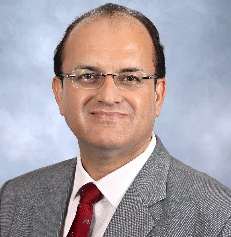
Rajeev Sharad, Founder & CEO,Urbaforce Solutions Pvt Ltd (Consultant) A comprehensive review of the 100 Smart Cities Mission (2014-2025) Introduction The Smart Cities Mission, launched in 2014, stands as one of India’s most ambitious urban transformation programmes of present times. Spearheaded by the Ministry of Housing and Urban Affairs – MoHUA (then Ministry of Urban Development – MoUD) in partnership with State Governments, the mission aimed to develop 100 cities across the country into models of matured and self-sustainable bodies with technologically advanced urban living for ease of citizens. With its conclusion in 2025, the mission has become a significant touchstone for policy makers, urban planners, and citizens alike, offering insights into the challenges and opportunities of modern city development in India especially in brownfield areas. Genesis of the mission India’s urbanisation is projected to accelerate significantly over the coming decades. According to various demographic estimates, the urban population is expected to reach nearly 40% by 2030 and 50% of the country’s total population by 2050, compared to around 34% in 2024. This rapid growth underscored the urgent need for robust urban infrastructure planning, as millions migrate to urban centres or turning smaller cities into urban and commercial hubs, seeking better work opportunities and quality of life. The genesis of the Smart Cities Mission is linked to this growing urbanisation in India and the pressing need for cities to become more liveable, resilient, and inclusive. Indian cities have been grappling with rapid population growth, infrastructural bottlenecks, and environmental degradation, not to forget the socio-political alignments with demographic uniqueness. Recognising these challenges, the Government of India initiated the mission as part of a broader vision for planned urban development. The formal launch of the mission in June 2014 marked a shift towards integrating digital solutions and citizen-centric planning, positioning cities as engines of economic growth and innovation. Objectives and vision The Smart Cities Mission was underpinned by a clear vision – to promote cities that, with the use of technology or otherwise, provide core infrastructure, clean and sustainable environments, and a decent quality of life for their citizens. Central objectives include improving urban mobility, expanding affordable housing, ensuring robust water and energy supply, and enhancing safety and governance. Implementation framework MoHUA leads the mission’s implementation management, working in close collaboration with State Governments and urban local bodies through 50% financial assistance on the basis of project approvals. The selection of the 100 smart cities was the result of a competitive process, with cities evaluated on their preparedness, vision, and capacity for transformation. Each selected city developed its own smart city proposal, outlining projects and strategies tailored to local needs and aspirations. This decentralised approach enabled flexibility and innovation, while the Ministry provided guidance, funding, and oversight to ensure consistency and accountability. Coordinated approach between Central and State governments has been instrumental in driving the mission forward. Financial support has been channelled through a combination of central grants, state contributions, and leveraging private sector investment. The formation of Special Purpose Vehicles (SPVs) for each city ensured dedicated focus on project execution, monitoring, and stakeholder engagement, strengthening the mission’s governance framework. Key initiatives and strategies The Smart Cities Mission encompassed a broad range of projects and interventions, targeting area-based development of urban infrastructure, use of digital technology, and augmentation portals for citizen services. Major initiatives include the development of Integrated Command and Control Centres (ICCC) which are the aggregation nerve centres of technology based smart mobility solutions, utilities supply monitoring, real-time traffic management waste management, telecommunication services, energy-efficient street lighting, citizen service kiosks and digital governance platforms. Urban planning strategies under the mission emphasised mixed land use, compact city development, and revitalisation of public spaces. The adoption of area-based development allowed cities to focus on specific neighbourhoods, demonstrating tangible improvements before scaling up. Technological interventions – such as sensors, IoT devices, and GIS mapping – have been crucial in enabling data-driven decision-making and responsive urban management. Efficacy and achievements In 2024, MoHUA engaged the services of an esteemed audit and assessment organisation to study maturity index of the Smart Cities through measurable outcomes of the use cases and several other pillars of evaluation. Cities have been showcasing innovative models of waste management, sustainable transport, traffic control, weather reporting & e-governance platforms. The mission has catalysed the adoption of renewable energy, increased green cover, and promoted inclusive urban development. While progress varies across cities, the mission has driven a culture of innovation and accountability, setting new benchmarks for urban transformation in India. Though, many cities have witnessed a deluge of urban mobility, pollution control, and public safety measures through smart infrastructure projects, the efficacy has not been as planned. The establishment of integrated command centres has enabled real-time monitoring of utilities and emergencies, which expected to improve governance and citizen satisfaction, but the assessments say otherwise. Challenges and lessons Despite its achievements, the Smart Cities Mission has encountered several shortcomings and hurdles. Delays in procurement process, stakeholder bottlenecks, and program management at local levels have impacted progress and efficacy in certain cities. Coordination among multiple stakeholders, government agencies, private partners, and local communities has often posed challenges, requiring robust mechanisms for engagement and conflict resolution. Impact analysis The Smart Cities Mission has had far-reaching socio-economic and environmental impacts. It has stimulated job creation, attracted investment, and improved the quality of urban life for millions. Technological advancements have empowered city administrations, enabling more efficient service delivery and enhanced citizen participation. Environmental benefits include reduced energy consumption, better waste management, and increased resilience to climate change. From a development perspective, the mission has fostered urban innovation, strengthened institutional capacities, and promoted a culture of evidence-based policy making. By setting new standards for urban governance and infrastructure, the mission has inspired other cities and regions to pursue similar transformations, contributing to India’s broader urbanisation agenda. Some of the key concerns that have led to the under-utilised potential of the Smart Cities is the lack of following plans: Redefined roadmap for Smart Cities The Smart Cities Mission…

Read More

Women Security Guards of India : Corporate Protectors and Pillars of the Family

Kunwar Vikram SinghChairman, Central Association of Private Security Industry ( CAPSI) Women security guards in India represent strength, discipline, and dedication. They stand at the front lines of safety in residential complexes, offices, hospitals, malls, schools, and public institutions, quietly ensuring that communities remain secure and orderly. Their presence not only enhances physical security but also creates a sense of comfort and trust, especially for women, children, and the elderly. In recent years, the role of women in the private security sector has grown significantly. These women perform demanding duties such as access control, surveillance monitoring, crowd management, and emergency response. Often working long and irregular hours, they demonstrate professionalism, alertness, and courage. Their work requires not only physical stamina but also patience, emotional intelligence, and the ability to handle challenging situations with calmness and dignity. Beyond their professional responsibilities, women security guards continue to carry out their roles within the family. Many of them return home after a full shift to take care of household responsibilities. They nurture their children, guide them in education and values, and ensure that their families remain united and stable. Their role as mothers is particularly significant, as they often strive to give their children better opportunities through their own hard work and sacrifice. At the same time, they care for elderly parents and in-laws with respect and compassion. In many Indian households, women security guards contribute not only financially but also emotionally, maintaining harmony and stability within the family. They often support their husbands and share the responsibility of running the household, showing that partnership and mutual respect are the foundations of a strong family. What truly distinguishes these women is their moral strength and exemplary character. Despite the pressures of balancing demanding professional duties and family obligations, they uphold integrity, discipline, and cultural values. Their dedication to duty, honesty in work, and commitment to family responsibilities make them role models in their communities. Women security guards are therefore not just employees in the security industry; they are protectors of society and builders of strong families. They embody resilience, responsibility, and moral courage. Recognizing and supporting their contribution is essential for building safer communities and a more inclusive security sector in India. Their story is one of quiet heroism – serving the nation by protecting its people while nurturing the values and relationships that hold society together. Wishing every woman Security Guard & Officer a very happy International Women’s Day. Read More

Read More