Hikvision Introduces Video & Audio Convergence Solution Featuring Real-time Deterrent
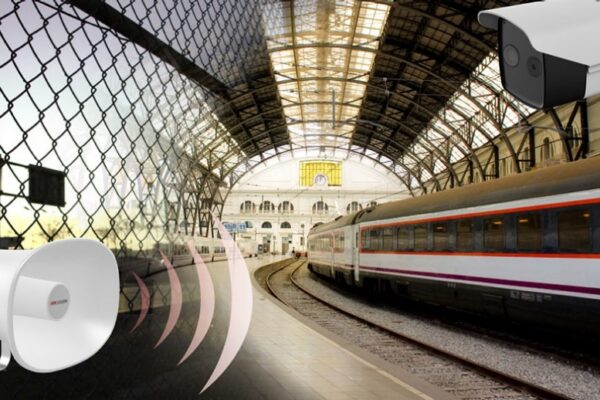
Hikvision, the world’s leading provider of innovative security products and solutions, has introduced its Video & Audio Convergence Solution to the market, featuring an innovative real-time intrusion deterrent feature. With Hikvision’s new Video & Audio Convergence Solution, IP speakers now can be linked with cameras, access control systems, and alarm devices. When the CCTV system automatically detects an intrusion or if the alarm system is activated, IP speakers can immediately play programmed audio warnings to drive away would-be intruders. The audio message acts as a deterrent to possible intrusion actions as they happen. Loss and damage can be prevented, and footage of the event gets recorded for investigation and evidence collection. Along with imported audio warnings, operators can also speak via the IP speakers to give live warnings when notified of an intrusion. Efficient security operations and digital transformation are further supported by alarm video which can pop up automatically. Scheduled audio messaging and public information broadcasting are two more practical functions made possible by Hikvision’s Video & Audio Convergence Solution. IP speakers can play recorded audio recordings according to a schedule, and operators can use the audio system to broadcast public information as needed to audiences as well. Frank Zhang, General Manager of the International Product Marketing Department at Hikvision said, “We are excited to introduce our innovative Video & Audio Convergence Solution to the market. With the linkage between video and audio, our solution will empower security systems with cautionary and immediate processing abilities. We believe convergence will be a new trend in the near-future for the security industry.” With its valuable functionality, Hikvision Video & Audio Convergence can be applied across a wide range of scenarios and applications – including perimeter security, petrol stations, metro and railway stations, office buildings, and much more. Continue reading for more details on various applications. Perimeter Security In luxury homes equipped with outdoor CCTV cameras, trespassers will be recorded by security cameras and NVRs, but no immediate deterrent actions can be taken. Now with the Hikvision Video & Audio Convergence Solution, audio warnings can be automatically triggered to deter intruders, helping to prevent loss of property or more serious incidents. Petrol Stations Petrol stations are vulnerable to intrusions during non-business hours and damage to petrol storage facilities can cause disasters. Currently, with CCTV systems alone, no immediate action can be taken when an intrusion occurs. But the Hikvision Video & Audio Convergence Solution now provides an intelligent detection function, alarm triggering, and audio warnings. At petrol stations with self-payment systems but no outside service staff, the Hikvision Video & Audio Convergence Solution enables operators to speak to customers remotely via the IP speakers. They can help customers and prevent security incidents without putting themselves in danger. And in emergency situations, the audio system can be used to broadcast critical information to staff and customers. We are excited to introduce our innovative Video & Audio Convergence Solution to the market. With the linkage between video and audio, our solution will empower security systems with cautionary and immediate processing abilities. We believe convergence will be a new trend in the near-future for the security industry Frank Zhang, General Manager, International Product Marketing Department, Hikvision Metro and Railway Stations Platforms are dangerous during peak hours when passengers cross warning lines and move too close to the edge. The Hikvision Video & Audio Convergence Solution helps monitor people flow and can identify when passengers cross warning lines. Staff can use the solution to broadcast live audio warnings and train schedule information whenever it’s needed. Office Buildings CCTV and access control systems are commonly used in office buildings. However, when an intrusion or security anomaly has been detected, operators rely on sending on-site guards to check the situation. Efficiency is low and guards often arrive too late to prevent an incident. In such a case, Hikvision‘s Video & Audio Convergence Solution can send an immediate audio warning to deter an intrusion, as well as build video and audio linkage for operators to check remotely via live view. Similarly, during emergency situations, security operators can use the audio system to broadcast information to people inside a building.