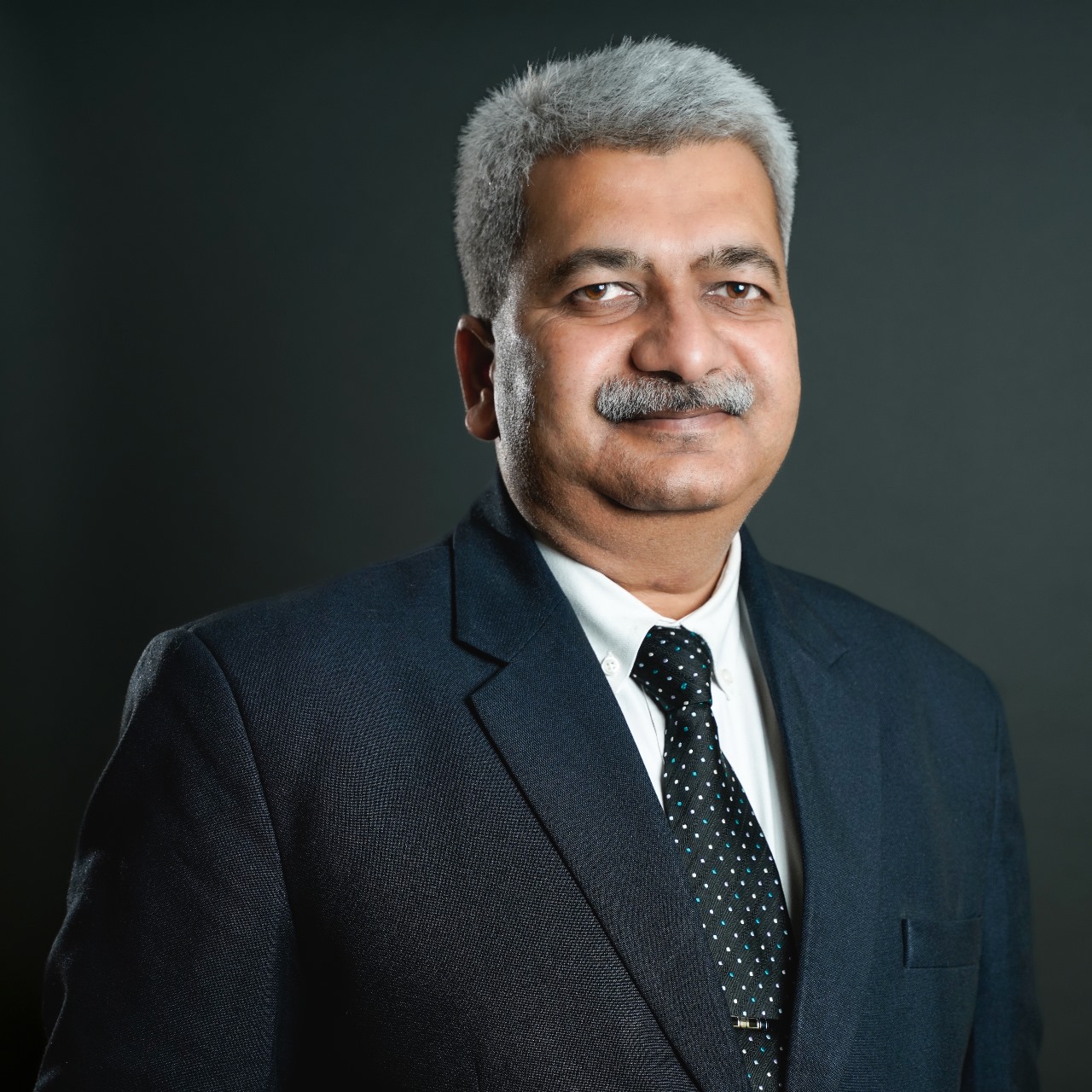
Sunjoy Nath,
CSM Counter-Terrorism & Intelligence Anyalist
OGWs refer to individuals who provide logistical, financial, informational, and ideological support to terrorist or militant groups without directly participating in armed combat. Indian security forces use this term extensively for sympathizers who offer shelter, cash, intelligence, recruitment aid, propaganda, and safe houses.
In West Bengal, jihadist activities center on cross-border networks, primarily linked to Bangladesh-based outfits like Jamaat-ul-Mujahideen Bangladesh (JMB) and its India chapter, with some Al-Qaeda or ISIS-inspired modules. Supporters here function similarly to OGWs – providing safe houses, radicalization platforms, document forgery, funding channels, and cross-border movement.
Key characteristics in West Bengal
- Porous Border with Bangladesh:The long, poorly managed India-Bangladesh border facilitates infiltration, smuggling, and movement of radicals. Groups exploit linguistic and cultural ties with Bengal.
- Radicalization Infrastructure:Certain madrassas in districts like Burdwan, Murshidabad, Malda, and Nadia have been flagged for promoting extremist ideologies, recruiting youth, and serving as hubs. Limited mainstream education in some Muslim-majority areas leaves a vacuum filled by unregulated religious institutions.
- Sleeper Cells and Modules:Networks involve locals providing logistics (shelter, fake IDs, transport) to cross-border operatives.
Notable incidents and networks
- 2014 Burdwan Blast:An accidental IED explosion in Khagragarh, Burdwan, exposed a major JMB bomb-making factory. Two terrorists died; authorities seized explosives, RDX, and evidence linking it to Bangladesh-based JMB. Subsequent investigations revealed a network with local support for arms manufacturing and planning attacks during festivals. Multiple JMB members (including Bangladeshis) were convicted.
- JMB/ IS Modules:Arrests of JMB splinter groups and pro-ISIS individuals in West Bengal highlight radicalization and recruitment. Some leaders have publicly accused certain madrassas of being used for these purposes.
- Broader Links:Reports of Pakistan’s ISI-backed modules operating through Bangladesh into West Bengal and other states. Activities include propaganda, ‘Free Kashmir’ campaigns, and IED plotting. PFI (Popular Front of India)-linked radicalization has also been noted in the state.
OGWs refer to individuals who provide logistical, financial, informational, and ideological support to terrorist or militant groups without directly participating in armed combat. Indian security forces use this term extensively for sympathizers who offer shelter, cash, intelligence, recruitment aid, propaganda, and safe houses
Why called OGWs? (Over Ground Workers)
These supporters operate within society – as locals, educators, or community figures – making them hard to detect. They enable:
- Logistics:Shelter and movement for operatives.
- Funding & Propaganda:Hawala, donations, or social media.
- Recruitment:Targeting disillusioned youth via ideological indoctrination.
- Intelligence: Local knowledge for planning.
Without this layer, foreign or hardcore terrorists struggle to operate. In West Bengal, this manifests as a ‘terror blind spot’ due to political sensitivities, vote-bank dynamics, and challenges in regulating madrassas or border security.
- Counter-Measures:NIA and central agencies conduct raids, attach properties, and monitor borders. Focus remains on disrupting modules through intelligence-sharing.
- Root Causes:Socio-economic issues, porous borders, unchecked migration, and radical preaching contribute to the ecosystem.
This pattern aligns with global jihadist strategies: blend into communities, build support networks, and use local facilitators (OGWs) as the enablers. West Bengal’s issues are more about infiltration and radicalization pipelines than sustained domestic militancy like in Kashmir, but the support structures play a parallel role. Security assessments emphasize strengthening border management, education reform, and deradicalization.