securitylinkindia

Long-term planning reliability for video systems

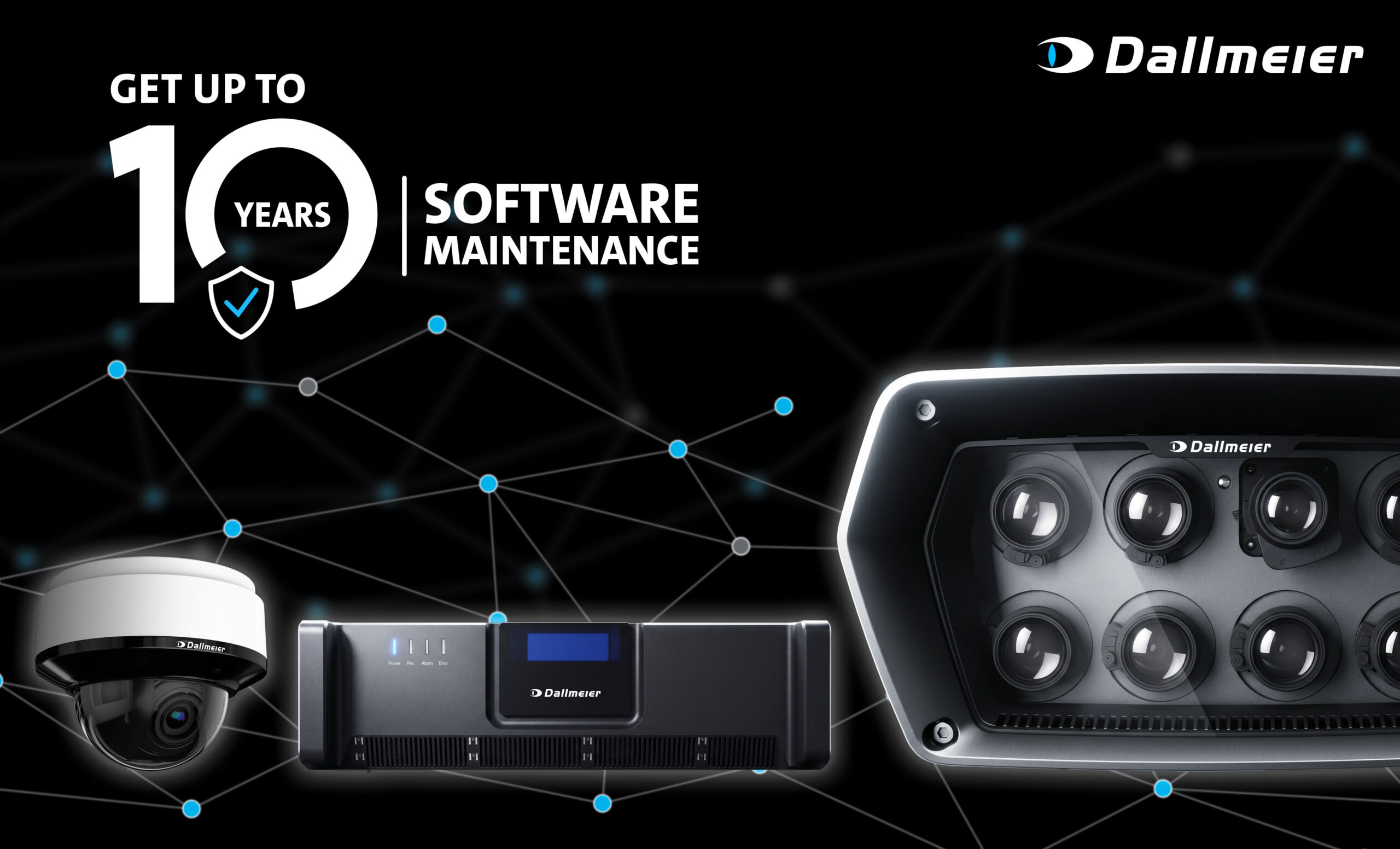
Dallmeier Extends Software Maintenance to up To Ten Year Dallmeier is expanding its software maintenance offering and now provides an additional maintenance package for cameras and recorders. This enables customers to keep their video security systems up to date for up to ten years while benefiting from long-term investment protection and planning reliability. Greater security and planning certainty throughout the entire lifecycle Long-term planning certainty is becoming increasingly important, especially for public sector organizations, operators of critical infrastructure, and companies with long investment cycles. With the new maintenance package, users can extend software maintenance by an additional five years, providing long-term protection against cybersecurity risks. The new maintenance package is available for Panomera® systems, single-sensor cameras, and recorders. Cameras already include five years of software maintenance as standard, and the new package extends this period to a total of ten years. For recorders, software maintenance can likewise be extended to a total of up to ten years. Updates, upgrades, and security updates included The maintenance package includes a license for updates, upgrades, and security updates for the camera or recorder software for an additional five years. It also includes a license for updates to the neural network used for object classification. Known relevant CVE security vulnerabilities will be addressed through appropriate security updates throughout the entire software maintenance period, subject to technical feasibility. “With the option to plan software maintenance for up to ten years, we provide our customers with a high degree of investment protection and long-term planning certainty,” said Christian Linthaler, Chief Sales Officer at Dallmeier, “This is an important factor for the sustainable operation of modern video security systems, especially in the public sector and for long-term security projects.”

Read More

Missing DOG: An Operational Risk

Lt Col Vivek GuptaVeteran, PCI, CFE, IIM-K AlumniVice President (Vigilance and Audit) at theSugam Group That day, it was 7 in the evening when Ravi received a call from his servant saying, “Sir, the dog has gone missing.” Shaken, Ravi stood up from his office chair and asked for details, which his servant provided. Not just a dog-lover but an animal-lover by nature and a big shot businessman by profession, Ravi left all his pending tasks, grabbed his mobile and wallet, called his driver and went off within a few seconds of receiving the call from his servant. He, along with his driver, searched frantically in the area where the possibility of finding the dog was highest, sometimes on foot and sometimes while driving. Later joined by two of his office staff, the search continued till 11 PM but in vain. Ravi told his office staff, who was a pillion rider on his colleague’s bike, to create a message with a photo of the dog and his mobile number to be sent across all WhatsApp groups and social media platforms. Ravi realised then that his servant wasn’t a dog lover but was taking care of the animal for his ‘naukri’ and must have been busy watching reels when the dog went missing, a fact which he was vehemently trying to spin. His staff took out the latest photo of the dog, and with some editing skills that he had learned earlier by seeing a few reels on his mobile (thanks to plenty of free time on the job), engraved the contact details of Ravi’s house manager and his Executive Assistant (EA) and sent it across in all the WhatsApp groups. Ravi’s family too forwarded the same. After a few “Oh no”, “So sorry to hear that”, “forwarded,” and some similes later, came personal messages of sympathy and ‘understanding.’ Generally, these were from the people who pick up a stone if they see any dog on the street and from those who preach the unholiness of a dog in a man’s life by citing religious textbooks, spinning their interpretation to suit their convenience. Probably, this is the power of money; after all, rich men have many sympathisers. It was Friday morning when I received this message on my WhatsApp group. Looking out from my small apartment window in Dubai, I realised that this could be the much-awaited God-sent opportunity for me and my small venture. What if I find that dog and personally take it to Ravi? I would then get unrestricted access to him, and my struggling start-up would find a client like Ravi’s company. I had visited Ravi’s company many times in that prime locality of this city, but could not make it past that posh lobby and those contract executives. “Oh! It’s just a stupid idea and a daydream. How could I find the Dog and hand it over to Ravi? Looks distant………., but what harm in trying? It’s a weekly off today, as it is,” – was my self-talk. Finally, I set out to find the dog in the streets of the city, planning to eat out, walk a bit and try to spot the dog – not just any dog, bro, but Ravi’s dog. By afternoon, I had walked more miles than I usually do in any average week, and now it was time to meet my girlfriend at that corner café. She laughed her heart out after listening to my day’s engagement. “So what?” said I. “You are nuts,” she said. “Look, it’s not that my product is faulty or my associated services are any substandard, but still the procurement department of Ravi’s company behaves like God’s own. I have been searching for ways to bypass those idiots for a long time, but all my efforts have so far met with silent denials. This could be a game changer,” I explained and continued, “The procurement guys know very well that I am offering much better quality at competitive pricing, but they are too arrogant to acknowledge it. All they care about is their own interests.” “Isn’t it everywhere?” she asked. “Ya, it is, and that’s why vendors like me get left out, and substandard suppliers keep providing products and services most of the time at many such companies. It is now, I have a chance to get in touch with the decision maker directly……., no harm in trying.” She nodded, not clear whether she understood it or not. It was time for me to pay the bill, and after the card swipe, I opened my mobile and that WhatsApp group. It was so disheartening for me to see that someone in the group had tagged the dog’s photo and written just one word – “found.” I thought my half a day’s work had been wasted; the dog has been found. Scrolling a little below, another person tagged – “found” and wrote – “not yet”. I sighed in relief. So, the one who has written – “found,” had forgotten to put a question mark (?), and I thought it was a declaration (!) that the dog has been found. Communication skills – bloody hell. People have forgotten the grammar and even the spellings, and we seem to have been adjusting with the communication that conveys only half the meaning and the rest is assumed to be understood. I recalled an incident from my last employment before I ventured into my own business. The CEO had this habit of meeting with each department head for 15 minutes every week, after which he used to tell his EA to type the minutes of his meetings and circulate them to other departments as well to keep them in the loop. To his dismay, after some time, the CEO started noticing that the departments were not executing what he wanted them to and instead, there seems that the departments weren’t aligned and executing things their own way. The following Tuesday, during the weekly meeting with the production head, he…

Read More

The RISE of Indigenous Surveillance

How Indian Innovation is Reshaping the Future of Trusted Video Security Chandra ShekharManaging Director, IndiNatus India Private Limited The future of surveillance will not be defined by who manufactures the most cameras. It will be defined by who owns the technology, secures the data, and drives innovation.The global surveillance industry is undergoing a profound transformation. What was once considered a hardware-driven market is rapidly evolving into an ecosystem powered by artificial intelligence, cybersecurity, edge computing, and data intelligence.As nations increasingly recognize surveillance infrastructure as a critical component of national security, technological sovereignty has become a strategic priority. Governments around the world are focusing not only on the performance of surveillance products but also on the origin of technology, security architecture, supply chain integrity, and long-term sustainability.India is no exception.With ambitious initiatives such as Digital India, Smart Cities Mission, Safe City Projects, Critical Infrastructure Protection Programs, and Atmanirbhar Bharat, the country is laying the foundation for a secure and self-reliant digital future.At the heart of this transformation lies a critical question:Can India build world-class surveillance technologies through its own innovation and engineering capabilities?The answer is increasingly becoming – ‘Yes!’ A new chapter for the indian surveillance industry For many years, India’s surveillance market largely relied on imported technologies and global supply chains. While these products accelerated adoption and expanded market access, they also highlighted the need for stronger indigenous capabilities in product engineering, cybersecurity, and technology ownership. Today, the industry is witnessing a paradigm shift. Indian companies are moving beyond assembly and distribution models to develop their own intellectual property, engineering expertise, software platforms, and product ecosystems. This shift is not merely about manufacturing within India. It is about creating technologies within India. It is about building products whose architecture, innovation, and engineering DNA originate from Bharat. The IndiNatus journey: Building technology, not just products When IndiNatus was founded in 2021, the vision was straightforward yet ambitious – Designed. Developed. Built in Bharat. The objective was never limited to branding or assembly. The goal was to create a technology company capable of developing advanced surveillance solutions through indigenous engineering and innovation. This required significant investments in hardware architecture, PCB design & validation, embedded firmware development, AI & Edge computing, cybersecurity engineering, product testing & reliability, mechanical design, and manufacturing engineering. “The global surveillance indus- try is undergoing a profound transformation. What was once considered a hardware-driven market is rapidly evolving into an ecosystem powered by artificial intelligence, cybersecurity, edge computing, and data intelligence” Over the years, IndiNatus has built a multidisciplinary engineering ecosystem focused on creating surveillance solutions tailored for India’s security and operational requirements. The result is a growing portfolio of IP Cameras, NVRs, AI Edge Servers, and intelligent surveillance platforms engineered through in-house capabilities. Why Research & Development matters Technology leadership cannot be imported – it must be created. One of the defining milestones in the IndiNatus journey was the establishment of a dedicated Research and Development center recognized by the Department of Scientific and Industrial Research (DSIR), Government of India. This recognition validates the company’s commitment to long-term innovation and indigenous technology development. Today, the R&D Center serves as the nucleus for innovation across multiple technology domains including – Video Processing, Artificial Intelligence, Edge Analytics, Cybersecurity, Intelligent Video Management, and Future Surveillance Architectures. In an era where software intelligence increasingly defines product value, sustained investment in R&D has become essential for creating globally competitive technologies. The significance of STQC certification As surveillance systems become deeply integrated into government networks, critical infrastructure, transportation systems, educational institutions, and public safety programs, trust has become a fundamental requirement. The Government of India has introduced stringent quality and security standards to ensure that surveillance products deployed in sensitive environments meet rigorous benchmarks. STQC certification represents one such benchmark. It validates multiple aspects of a product ecosystem, including – Security, Reliability, Functional Integrity, Software Validation, Compliance Requirements, and Quality Processes. Achieving STQC certification is not simply a regulatory milestone. It demonstrates engineering maturity, process discipline, and a commitment to delivering trusted technologies. More importantly, it reinforces confidence among users, system integrators, government agencies, and infrastructure operators. The strategic importance of indigenous surveillance The conversation around indigenous surveillance extends beyond commercial success. It directly impacts the following: National security Critical infrastructure increasingly relies on connected surveillance systems. Indigenous technologies provide greater visibility and control over security architectures. Cybersecurity As surveillance devices become network-connected endpoints, cybersecurity becomes as important as image quality or analytics performance. Economic development Technology development creates high-value employment opportunities across engineering, research, software, manufacturing, and support functions. Innovation ecosystem Local product development encourages growth across semiconductors, electronics manufacturing, AI, embedded systems, and software engineering. Supply chain resilience Domestic capabilities reduce exposure to global supply chain disruptions and geopolitical uncertainties. The broader impact extends far beyond a single company or product category. It contributes to India’s technological self-reliance. The future of video surveillance The next decade will redefine the surveillance industry. Artificial Intelligence will transform passive cameras into intelligent decision-making systems. Edge Computing will enable real-time analytics. Cybersecurity will become a core design requirement rather than an afterthought. Video systems will increasingly integrate with smart cities, transportation networks, industrial automation, and public safety platforms. The future belongs to organizations capable of combining innovation, security, intelligence, and reliability into a unified ecosystem. India possesses the talent, ambition, and engineering capability to play a leading role in that future. A milestone for Bharat The story of IndiNatus is ultimately not about one company. It is about what becomes possible when Indian engineering, innovation, and determination come together with a long-term vision. The emergence of indigenous surveillance technologies signals a new chapter for the industry – one where India is not merely a consumer of technology but a creator of technology. As the nation advances toward greater technological sovereignty, companies investing in research, innovation, and intellectual property development will help shape the next generation of secure digital infrastructure. The journey has only begun. But the direction is clear – Designed. Developed. Built in Bharat….

Read More

CP PLUS Achieves a Landmark Milestone with the 100th Mission Tech L-1 Program, Empowering the Future of India’s Security Workforce

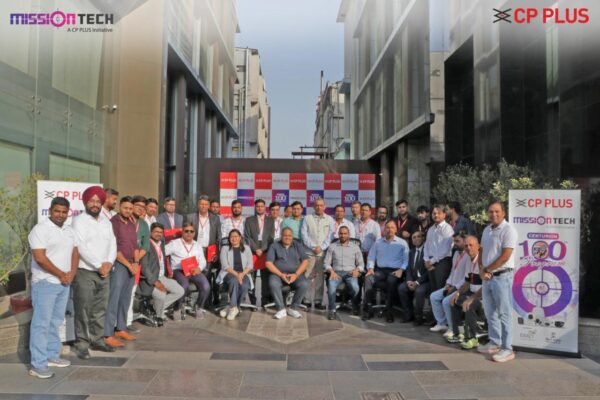
One hundred programs. Thousands of professionals. One shared vision for a safer Bharat. Marking a defining milestone in its commitment to industry development and skill enhancement, CP PLUS proudly celebrated the successful completion of the 100th Mission Tech L-1 Program – Centurion Edition at the CP PLUS Corporate Training Centre, Noida. The landmark achievement reflects the company’s unwavering dedication to nurturing talent, strengthening technical capabilities, and building a highly skilled workforce that will drive the future of India’s rapidly evolving security and surveillance industry. Since its inception, the Mission Tech initiative has stood as a cornerstone of CP PLUS’ vision to bridge the industry’s skill gap through structured, hands-on technical education. Designed to equip System Integrators and Installers with the practical knowledge required to deploy and manage modern security technologies, the program has become one of the industry’s most impactful learning platforms. With the successful completion of its Centurion Edition, the NSDC-certified Mission Tech Level 1 Training Program has now empowered more than 2,100 System Integrators and Installers, equipping them with the expertise needed to confidently install, configure, troubleshoot, and maintain today’s increasingly intelligent surveillance ecosystems. From AI-powered cameras and advanced video analytics to networking fundamentals and integrated security solutions, participants receive comprehensive training aligned with the latest technological advancements and evolving industry requirements. Beyond technical knowledge, the initiative represents CP PLUS’ broader commitment to creating a future-ready security ecosystem where innovation is supported by skilled professionals capable of delivering excellence in every deployment. As surveillance technologies continue to become more intelligent, interconnected, and AI-driven, the importance of continuous learning and professional development has never been greater. Through Mission Tech, CP PLUS is ensuring that its channel partners remain equipped to meet these changing demands while delivering superior value to customers across diverse sectors. The milestone also reinforces CP PLUS’ long-standing collaboration with the National Skill Development Corporation (NSDC), reflecting the company’s contribution toward strengthening India’s skill development ecosystem. By combining globally relevant technical education with practical industry exposure, the program supports the nation’s vision of developing a highly capable workforce ready to power India’s digital and infrastructure transformation. Reaching the 100th Mission Tech L-1 Program is not merely a numerical achievement, it is a celebration of the thousands of professionals who have chosen to learn, grow, and advance alongside CP PLUS. Each trained installer and system integrator represents another step toward creating safer cities, smarter enterprises, and more resilient public infrastructure through the effective deployment of advanced security technologies. As the security landscape continues to evolve, CP PLUS remains committed to investing not only in cutting-edge innovation but also in the people who bring these technologies to life. Through initiatives like Mission Tech, the company continues to empower the industry’s workforce with the knowledge, confidence, and expertise required to build a stronger, smarter, and more secure Bharat. With a century of successful training programs now complete, CP PLUS looks ahead to the next chapter of learning, innovation, and industry empowerment, continuing its mission of transforming knowledge into capability and capability into lasting impact.

Read More

How Thermal Cameras Help in Resolving the Critical Building Maintenance Issues

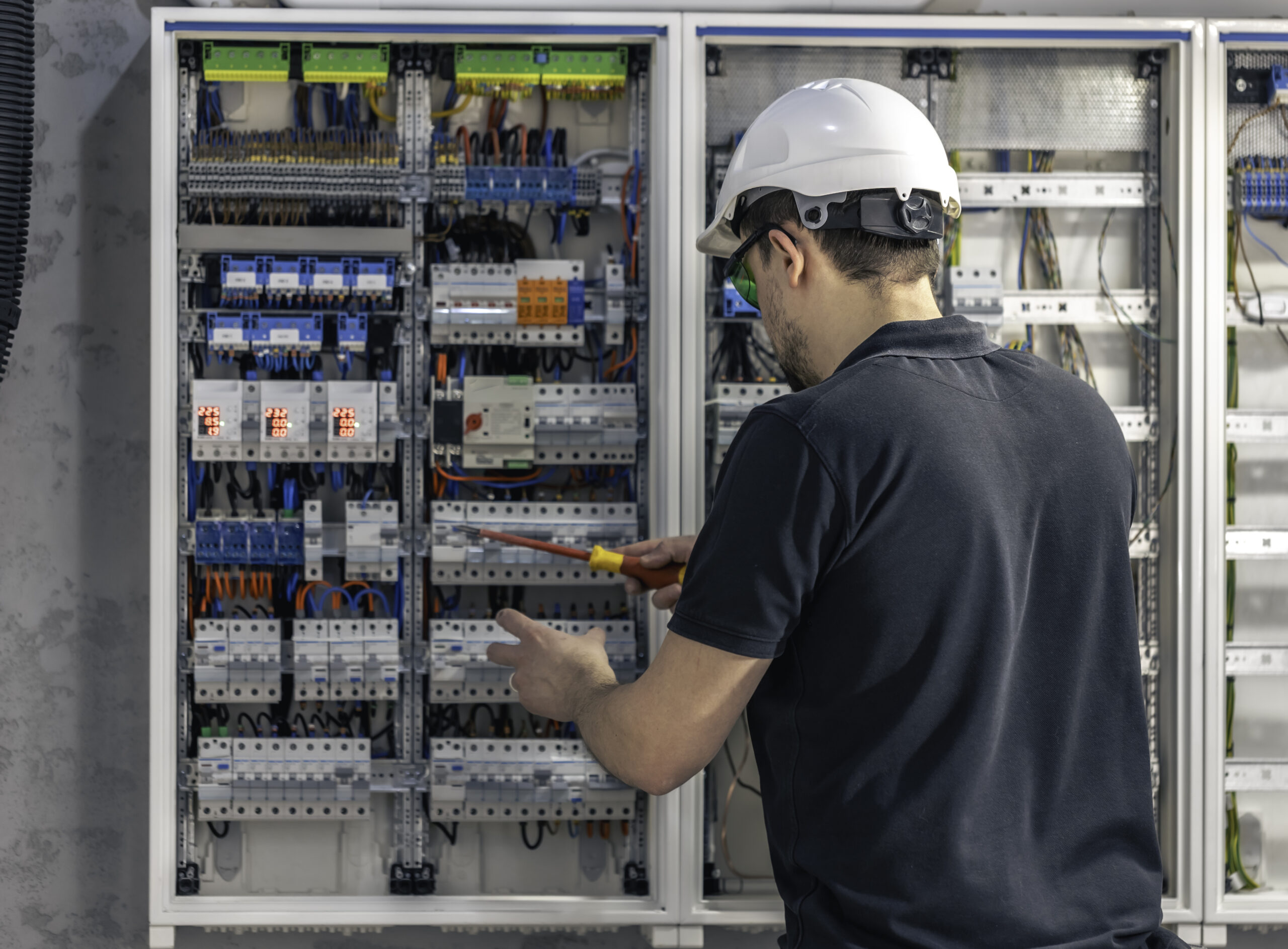
Hikmicro Thermal Cameras help identify critical issues in buildings for residential and commercial purposes. Thermal cameras don’t see walls. They see problems hiding inside them. In India’s climate and construction conditions, it is a special power that can be harnessed to identify and address the critical issues faced by building maintenance staff. Here’s where Hikmicro Thermal Cameras add value to building maintenance through its Thermal technology, products, and solutions. India specific challenges The India-specific problems are unique to Indian states and regions; they are markedly different from those in the US, the UK, and other European regions in terms of building maintenance. Let’s understand why thermal cameras matter in India-specific conditions and what kinds of building risks they detect. India has different climate scenarios in the North, East, West and South regions. There are places where extreme heat exceeds 45°C. There are wet regions where monsoon and humidity rule. There is a consistent challenge of electrical overload, AC strain, water ingress and mould. The other building maintenance challenges include mixed construction quality, poor insulation, hidden leakage, and uneven load distribution. The constant power fluctuations and old wiring create new issues related to Hotspots, fire risk, and energy waste. All these issues add up, leading to high energy costs. The AC leakage through windows and walls causes a 30% increase in the electricity bill. Most issues are invisible until the bill spikes, the wall peels, or the fire starts. Thermal makes them visible in seconds. Using Hikmicro thermal cameras, facility managers can instantly pinpoint unseen building faults – such as electrical hotspots, roof leaks, and more. These non-invasive, predictive cameras measure surface temperature differences to identify underlying defects long before they cause costly downtime or structural damage. The most critical building maintenance issues easily identified by these thermal devices include: Electrical Faults & Safety Hazards Excessive heat is the primary early warning sign for electrical issues. Cameras immediately detect unbalanced loads, loose connections, and overloaded circuits. Catching hot breaker switches at an elevated 65°C, rather than the normal 35°C, prevents full power outages and serious fire risks. Damaged wires, electrical components, and connections would cause a variety of problems. Faulty wiring or components ageing may result in electronic damage due to overload. Electric sparks can cause large-scale fires, leading to property damage and even injuries to civilians. By diagnosing the issue early, technicians can make repairs before a total failure occurs. Moisture Intrusion & Hidden Water Leaks: Water has a higher thermal capacity than surrounding materials. Leaks from roofs, pipes, or stucco show up as distinct temperature anomalies. Wet insulation, framing, and drywall appear as colder spots, helping you address mould before it spreads. Air Infiltration & HVAC Leaks: Thermal cameras map airflow patterns, allowing technicians to spot unsealed windows, faulty door seals, and HVAC duct leaks. This visual data helps operators optimise HVAC systems, reduce energy costs, and improve indoor air quality. Mechanical Overheating: Thermal imaging detects heat signatures from mechanical equipment (e.g., pumps, belts, and motors). Finding bearings or motors running 10°C above normal operating temperatures helps prevent unexpected equipment failures and expensive component replacements. Residential Buildings Electrical Safety – Stop Fires Before They Start In India, 70% of residential fires are caused by electrical faults and short circuits. Thermal scan during society audits prevents them.  Hikmicro Thermal Cameras can detect overloaded MCBs, loose connections, overheating geysers, ACs and inverter faults. It can be done by scanning the DB box, switchboards, and junction boxes. If anything in the electrical meter room is >60°C or 15°C hotter than similar components, then it is considered a red flag. Energy Loss & AC Efficiency: Hikmicro Thermal Cameras can find heat ingress from windows, doors, roof, AC duct leaks and missing insulation. Commercial Buildings Predictive Maintenance Hikmicro Thermal Cameras can detect hot breakers in LT panels, overheating motors, HVAC chiller faults, and UPS overheating. They can also help data centre racks, malls, IT parks, and factories avoid downtime risks. Building Envelope & Solar Audit Hikmicro Thermal Cameras can detect glass-façade leaks, roof-insulation gaps, and solar-panel hotspots and dirty cells.  Sunrise/ sunset scans show heat gain/ loss. In India, LEED/ GRIHA compliance helps reduce HVAC load 20%+. This solution can validate solar RoI. Fire Safety Compliance Hikmicro Thermal Cameras can find overheating cable trays, diesel generator exhaust leaks, and kitchen duct grease hotspots. Hikmicro Thermal Cameras Help Myriad End-users These Hikmicro Thermal Cameras can be highly useful tools for Housing Societies, Residential Welfare Associations (RWAs), Facility Managers and MEP Contractors, Energy Auditors, and Green Consultants. This way, Hikmicro Thermal Cameras can help with the maintenance and upkeep of residential and commercial buildings by timely detection of electrical faults and other issues.

Read More

Beyond Visible Light: How Bi-Spectral Thermal Cameras Are Redefining Perimeter Security

Combining thermal intelligence and visible imaging for faster, more reliable threat detection For decades, video surveillance has relied primarily on visible-light cameras to secure critical assets. While advances in resolution, artificial intelligence, and video analytics have significantly improved security, conventional cameras still depend on one essential element – light. Whether it is complete darkness, dense fog, smoke, heavy rain, or glare from the rising sun, challenging environmental conditions continue to affect the performance of traditional surveillance systems. As security threats become more sophisticated and critical infrastructure demands uninterrupted situational awareness, the industry is increasingly adopting bi-spectral thermal cameras – a technology that combines visible imaging with thermal sensing to deliver continuous surveillance regardless of environmental conditions. Why Conventional Cameras Have Limitations Modern visible-light cameras produce exceptional image quality under favourable conditions. However, they still face challenges when environmental visibility deteriorates. Typical challenges include: In these situations, security operators may lose valuable seconds trying to verify whether an event is a genuine threat or simply environmental interference. Understanding Thermal Imaging Unlike conventional cameras that capture reflected visible light, thermal cameras detect infrared radiation (heat energy) emitted naturally by every object. Every person, vehicle, machine, or animal has a unique thermal signature. Instead of seeing colours or reflected light, thermal imaging visualises temperature differences, allowing operators to detect objects that would otherwise remain invisible. This enables surveillance systems to operate effectively: Thermal cameras therefore become an excellent early-warning sensor. What Makes Bi-Spectral Technology Different?  While thermal cameras are exceptional at detecting heat signatures, they generally provide limited visual detail. Visible cameras, on the other hand, provide colour, facial details, licence plates, and scene context. A bi-spectral camera integrates both technologies into a single intelligent platform, enabling operators to use each imaging modality where it performs best. The thermal sensor detects the presence of an object, while the visible camera immediately provides visual confirmation and supporting evidence. This dramatically improves both detection speed and incident verification. Instead of asking, “Did something happen?” operators immediately know: “What happened, where it happened, and who or what is involved.” The Power of Sensor Fusion Modern surveillance is increasingly moving toward sensor fusion. Rather than depending on a single sensor, intelligent platforms combine multiple sensing technologies to create a far more accurate understanding of the environment. Bi-spectral cameras merge: Together, these technologies reduce nuisance alarms while significantly improving operator confidence. Advantages of Bi-Spectral Surveillance 24×7 Situational Awareness Thermal imaging remains effective regardless of daylight conditions, ensuring uninterrupted surveillance around the clock. Earlier Threat Detection Heat signatures can often be detected before objects become visually distinguishable, providing valuable additional response time. Reduced False Alarms Combining thermal detection with AI-powered visible analytics enables more reliable event verification. Faster Incident Response Operators no longer need to switch between multiple systems or manually verify alarms, reducing response times during critical events. Longer Detection Distances Thermal sensors can identify heat signatures over extended distances, making them particularly valuable for perimeter protection and large open areas. Where Bi-Spectral Cameras Deliver Maximum Value The technology is particularly well suited for: In these environments, uninterrupted situational awareness is often more important than image resolution alone. Artificial Intelligence Complements Thermal Imaging The next evolution in surveillance combines thermal sensing with edge-based artificial intelligence. Rather than simply detecting heat, modern platforms can classify: AI enables the system to distinguish between genuine threats and environmental activity, significantly reducing unnecessary operator intervention. The Industry Direction The surveillance industry is steadily moving from isolated imaging devices toward intelligent sensing platforms. This evolution combines artificial intelligence, thermal imaging, visible imaging, cybersecurity, and advanced video management into unified solutions capable of supporting mission-critical operations. Reflecting this direction, Vicon’s Roughneck® Pro Bi-Spectral Thermal PTZ platform combines a 5 MP visible camera with 40× optical zoom and a high-sensitivity LWIR thermal sensor in a single rugged platform. Together with edge AI, intelligent auto-tracking, HDR imaging, electronic image stabilisation, and ONVIF interoperability, it is designed to support airports, ports, utilities, oil & gas, transportation, and other critical infrastructure applications. Conclusion As surveillance requirements continue to evolve, organisations are demanding more than high-resolution video. They require systems capable of delivering reliable detection, rapid verification, and continuous situational awareness under every environmental condition. Bi-spectral thermal cameras meet this requirement by combining two complementary imaging technologies into one intelligent surveillance platform. The future of perimeter protection will not rely solely on seeing more – it will depend on seeing what matters most, regardless of darkness, weather, or distance.

Read More

Celebrating Excellence: India & South Asia OSPAs 2026 Honour Security Industry Leaders

More than 300 security professionals from across India and South Asia gathered at the JW Marriott, Aerocity, New Delhi, on 2 July 2026 for the India & South Asia Outstanding Security Performance Awards (OSPAs) 2026, held alongside the ASIS South Asia Conference. The prestigious awards recognised outstanding achievements, innovation and leadership across the security profession, highlighting organisations and individuals setting new benchmarks in resilience, technology, operational excellence and people development. The evening celebrated the growing maturity of the security industry, with winners representing diverse sectors including corporate security, critical infrastructure, cybersecurity, consulting, manufacturing and technology. 2026 India & South Asia OSPA Winners Outstanding In-House Security Manager/ DirectorWinner: Samir Ghaghda – Diageo India Outstanding Security TeamWinner: Physical Security Technical Team – Infosys Outstanding Contract Security Company (Guarding)Winner: Peregrine Guarding Outstanding Security ConsultantWinner: PricewaterhouseCoopers (PwC) India Outstanding Security Training InitiativeWinner: COM-SUR Video Surveillance and Imaging AITechnologies Outstanding Security Installer/ IntegratorWinner: Soteria Command Center – Tenon Group Outstanding New Security ProductWinner: DHEERAJ – Deepfake Handling Engine forExpert Recognition and Authentication of Judgements Outstanding Security PartnershipWinner: DigiCert, Digio & JNR Management Resources Outstanding Security OfficerWinner: Ankit Jaswal – Tata Power Outstanding Female Security ProfessionalWinner: Niharika Karamchandani – InQuest Advisories Outstanding Young Security ProfessionalWinner: Praveen Raj – WoRisGo Outstanding Equality, Diversity & Inclusion InitiativeWinner: Vedanta Limited Outstanding Security Sustainability AwardWinner: Vedanta Aluminium & Power Lifetime Achievement AwardRecipient: Milind M. Borkar Recognising Outstanding Achievement Samir Ghaghda – Diageo India Winner of the Outstanding In-House Security Manager/ Director award, Samir Ghaghda has elevated Corporate Security and Business Continuity into a strategic, intelligence-led business function. His leadership during critical incidents, including Operation Sindoor and the RCB stadium stampede, demonstrated exceptional crisis management, while his focus on innovation and resilience has positioned security as a key business enabler. Infosys Infosys’ award-winning Physical Security Technical Team has transformed enterprise security through an innovative in-house programme that significantly improved threat detection, accelerated response times and reduced false alarms. Their engineering-led approach has also delivered measurable operational efficiencies and cost savings. Peregrine Guarding Recognised as the Outstanding Contract Security Company, Peregrine Guarding continues to strengthen its reputation through technology-enabled guarding services, a centralised command centre and a highly trained workforce operating across India and Singapore. Its expertise in securing critical infrastructure and major airports reflects its commitment to operational excellence. PwC India PwC India received the Outstanding Security Consultant award for delivering integrated physical, cyber and operational security solutions across critical infrastructure, smart cities and command centre programmes. Its use of responsible AI and strategic consulting continues to help organisations build resilient, future-ready security frameworks. COM-SUR Video Surveillance and Imaging AI Technologies COM-SUR was recognised for revolutionising CCTV evidence management through AI-powered surveillance analysis. The platform has dramatically reduced video review times and earned national recognition through the Government of India’s introduction of a dedicated CCTV Video Footage Auditor skill, supporting the development of security capability across multiple sectors. Soteria Command Center – Tenon Group Soteria’s intelligent command centre platform earned recognition for redefining security integration through advanced monitoring, automation and operational efficiency. The solution has delivered faster incident response, reduced downtime and improved compliance while generating substantial savings for clients. DHEERAJ – Deepfake Handling Engine As deepfake threats continue to evolve, DHEERAJ has emerged as an innovative defence solution capable of preventing fraud, accelerating authentication and strengthening digital investigations. Its growing adoption demonstrates the increasing importance of AI-driven security technologies. DigiCert, Digio & JNR Management Resources The Outstanding Security Partnership award recognised this collaboration for advancing digital trust through cybersecurity, public key infrastructure (PKI), compliance automation and certificate lifecycle management, helping organisations improve resilience and reduce cyber risk. Ankit Jaswal – Tata Power Awarded Outstanding Security Officer, Ankit Jaswal has demonstrated exceptional operational leadership by introducing initiatives such as drone surveillance, workforce optimisation and stakeholder collaboration, delivering stronger security operations without disrupting business continuity. Niharika Karamchandani – InQuest Advisories Winner of the Outstanding Female Security Professional award, Niharika Karamchandani has built an impressive international career spanning investigations, behavioural risk, due diligence and crisis management. Her work in consultancy, research and professional development continues to raise standards across the security industry. Praveen Raj – WoRisGo Recognised as Outstanding Young Security Professional, Praveen Raj has quickly established himself as an emerging leader in supply chain security, geopolitical intelligence and critical infrastructure protection. His contributions to industry and national education initiatives highlight the next generation of security leadership. Vedanta Limited Vedanta Limited received the Equality, Diversity & Inclusion award for creating a more inclusive workplace through diverse recruitment, accessibility and equal opportunity initiatives. Its people-first approach demonstrates how inclusion can strengthen organisational culture and business performance. Vedanta Aluminium & Power The Security Sustainability Award recognised Vedanta Aluminium & Power for integrating sustainability into security operations through clean mobility, water conservation, waste management and environmental initiatives that benefit both business and surrounding communities. Milind M. Borkar The Lifetime Achievement Award honoured Milind M. Borkar for his exceptional contribution to India’s electronic security and video surveillance industry. Over several decades, his visionary leadership has helped shape the evolution of surveillance technologies across smart cities, transportation, manufacturing and public infrastructure. Widely respected as a mentor and industry pioneer, his influence continues to inspire future generations of security professionals. Looking Ahead All category winners, with the exception of the Lifetime Achievement Award recipient, automatically qualify for the Global OSPAs, where they will represent India and South Asia alongside winners from around the world. Milind M. Borkar has also been inducted into the Security Hall of Fame in recognition of his outstanding contribution to the global security profession. The organisers extended their appreciation to ASIS India, Knowledge Partner MitKat Advisory, category sponsors Godrej, Security India and MitKat Advisory, as well as the independent judging panel and supporting associations whose continued commitment ensures the credibility and prestige of the OSPAs. The 2026 India & South Asia OSPAs once again showcased the innovation, professionalism and dedication driving the security profession forward, reinforcing its vital role in protecting people, organisations and communities across the region.

Read More