

securitylinkindia

Merit Medical Strengthens Global Manufacturing Security Through Video Integrated with Access Control

Merit Medical Systems, Inc., a leading manufacturer of proprietary disposable medical devices, has successfully implemented an integrated physical solution combining video management with access control. Founded in 1987 and headquartered in South Jordan, Utah, Merit employs approximately 7,000 people worldwide and operates manufacturing facilities across multiple continents, producing interventional, diagnostic, and therapeutic devices for hospitals and healthcare facilities. To enhance their operations, Merit Medical has created a unified platform by integrating their access control system into their video management software (VMS). This strategic integration allows their personnel to manage both video surveillance and access control through a single, map-based interface. Working with longtime integration partner Stone Security, a BearCom Company, Merit has developed a comprehensive solution that transforms how they verify identity, track movements, and respond to events across their global operations. Challenge: Managing disparate systems Managing separate video and access control systems created operational inefficiencies for Merit’s team. With operators constantly switching between platforms, incident response times were slower than desired. Visual verification of access credentials required manual coordination between systems, while investigating historical activity meant navigating two separate databases. Additionally, training staff on multiple systems increased onboarding time, and all of this created the need for a more unified, efficient approach. Solution: Seamless platform integration Merit Medical implemented an integrated solution combining Milestone XProtect video management software (VMS) with their existing S2 NetBox access control system. Working with Milestone Premier Partner Stone Security, Merit leveraged the ORBNET Systems connector to unite these platforms, standardizing on network video cameras from Axis Communications throughout their facilities. The solution incorporates door controllers, credential verification, and visual recognition into Merit’s existing VMS-based mapping system. This integration provides a single interface for operations, allowing staff to verify identity, control access, and review events seamlessly. Results: Greater efficiency through combined solution The integrated platform has significantly enhanced Merit’s operational effectiveness and security posture. Staff can now verify credential use against live video, eliminating the need to switch between systems. Investigation times have decreased dramatically, with operators able to quickly retrieve access events and corresponding video data. Visual verification has strengthened perimeter protection and access protocols, while the streamlined system has reduced training requirements for new personnel and improved overall response. “We started experiencing some attention-to-detail issues when instead of momentarily unlocking a door in S2, users were unlocking it and leaving it open, so we’d unknowingly have that access open for hours. By switching over to the Milestone platform and bringing S2 into it, we solved that problem pretty quickly,” said Craig Meyer, Director of Global Security at Merit Medical. At-a-glance verification allows officers to quickly confirm that the credential user matches the authorized individual. For facilities with 24/7 operations, this significantly improves their ability to monitor multiple entry points simultaneously. Fast investigations and compliance Investigating incidents now takes Merit’s team minutes instead of hours. When investigating an event, staff can start with either door access records or video data, then seamlessly connect the two. If they see unusual access to a restricted area, they can immediately pull up video of who entered. Similarly, if suspicious activity appears on camera, they can instantly check which badges were used nearby. This eliminates the frustrating back-and-forth between separate systems, allowing the team to resolve incidents much faster. “This capability has been a game-changer for Merit’s team, saving hours of investigation time while providing indisputable evidence of who accessed which areas and when,” commented Andy Schreyer, Vice President, Security Technology & Marketing, Stone Security. Each access event in the system has a bookmarked video clip, allowing rapid confirmation of who used the credential. This helps identify potential violations such as tailgating, credential sharing, or unauthorized access attempts. For a company operating in the regulated medical device industry, this level of documentation and verification provides essential compliance support. The system’s verification capabilities extend beyond access control to include complex investigations. When unusual patterns are detected, personnel can rapidly review a person’s movement throughout the facility, matching video evidence with access records to create a complete timeline of events. This integrated approach has proven particularly valuable for internal investigations requiring complete documentation and evidence. Operational transformation Merit’s team works much more efficiently thanks to their combined video and access control system. Staff can see doors and cameras on the same digital maps, allowing them to quickly help employees who need access while responding faster to potential concerns. When someone needs help at an entrance, the team can immediately see who is there and unlock it with just a few clicks, saving time and improving protection in one simple workflow. As Merit continues to expand its integrated approach, they are leveraging the flexibility of Milestone’s open platform to create increasingly sophisticated operations. By bringing together video, access control and mapping in a unified system, they have established a solution that scales with their growing global business while maintaining operational simplicity and effectiveness. “Our access-integrated VMS-based mapping approach has been fundamental to our success. It has allowed us to creatively solve challenges in ways we could not have imagined when we started this journey. The strength of this solution comes from the collaboration with all partners. What’s most impressive is how seamlessly everything works together, providing us with a foundation that continues to evolve as our global operations grow,” said Craig Meyer, Director of Global Security at Merit Medical. Read More

Read More

Toyota Motor Vietnam Ensures Business Continuity with Synology Backup Solutions

The Challenge The rapid growth of data has created a financial burden As one of the world’s leading manufacturing corporations, Toyota has been steadily expanding its business over the years. In Vietnam, it operates one of Southeast Asia’s primary automobile manufacturing plants, producing tens of thousands of vehicles annually. The company’s data has grown significantly for both operational services and critical data protection. This rapid expansion has led to an increased need for data storage and backups, posing a substantial financial burden for the business. Tape backups are inefficient for large scale recovery In addition, while tape backups were once valued for their isolation and resistance to tampering, they became inefficient for Toyota’s growing data needs. Managing and recovering large-scale data became impractical, adding a heavy manual workload for the IT team. Need for a resilient disaster recovery solution Toyota Motor Vietnam required a solution that not only isolates and safeguards data against unexpected events but also enables rapid system recovery to maintain business continuity. This would ensure the continuous operation of their production system, safeguarding their reputation and market position. The Solution Comprehensive backup strategy for critical and operational data Assessing options from different providers in the market, Toyota Motor Vietnam decided to use Synology’s SA, UC, RS series, and ActiveProtect Appliances to enhance their data protection strategy. They established two protection plans to safeguard critical data and daily operational data. For critical data, Toyota Motor Vietnam uses ActiveProtect DP7400 at its headquarters to perform immutable backups for 50 virtual machines (VMs) and essential servers. A secondary immutable backup copy is stored on a remote DP7400 appliance, ensuring resilience against cyber threats. This approach adheres to the 3-2-1-1-0 backup policy, incorporating multiple copies, immutability, and zero backup errors. For daily operational workloads, 150 VMs are backed up directly to Synology SA3410, a petabyte-scale storage device tailored for growing storage needs. With the built-in data protection application, Active Backup for Business (ABB), the SA3410 securely backs up 150 VMs, ensuring reliable on-premises data storage. For enhanced protection, Snapshot Replication replicates VM backups from SA3410 to five remote Synology RackStation units, providing an extra layer of security and disaster recovery. In addition to its backup role, the ActiveProtect DP7400 also functions as a management server at headquarters, streamlining backup management for the infrastructure through a single interface. It provides visibility into daily operations, such as the status of backups, backup copies, and storage usage, allowing Toyota Motor Vietnam to monitor the entire infrastructure’s backup SLA (Service Level Agreement) on a single dashboard. Synology’s storage solution has increased our business resilience. It is reliable, secure, and provides future-proof scalability for our growing business data Bui Ta HoanIT Division Head, Toyota Motor Vietnam Active-active SAN server deployed for high availability in critical environments To guarantee optimal operational performance and high availability (HA) for their essential data, Toyota Motor Vietnam deployed Synology’s UC SAN server and expansion unit as their corporate storage server. This active-active SAN storage, with two independent controllers, is specifically designed to ensure uninterrupted operations in critical environments, addressing the unique demands of Toyota’s production line. The Benefits 75% decrease in backup costs By replacing its previous backup setup – which required separate hardware, software, and individual licenses – Toyota Motor Vietnam significantly reduced complexity and maintenance efforts. With Synology’s integrated data protection solution, IT management is now streamlined, leading to a 75% cost reduction in protecting the company’s enterprise workloads. Faster large-scale recovery with tape-free backups Toyota has eliminated its reliance on tape backups, reducing operational overhead and manual maintenance. Unlike tapes, which require multiple reads for recovery and lack built-in verification, ActiveProtect ensures instant restore and fast, reliable recovery by verifying backup integrity and allowing direct restoration from specific versions. This significantly improves recovery speed and reliability for critical workloads. A comprehensive solution to enhance business resilience Synology’s solutions seamlessly integrate with Toyota’s existing IT infrastructure, providing reliable protection for their business. On-premises ABB backups secure the company’s virtual environments, while Snapshot Replication offers additional offsite protection. The addition of the ActiveProtect Appliance DP7400 also strengthens Toyota’s system by improving operational efficiency and enhancing data security. With cluster-based management and built-in WORM (Write Once, Read Many) storage mechanism, Toyota Motor Vietnam can protect critical data from cyber threats and ensure rapid recovery. This solution allows them to confidently scale its storage while maintaining security and business continuity. Read More

Read More

DigiSuraksha Wins Best Security Product – Technology & Innovation at CAPSI 2025

DigiSuraksha has been awarded the Best Security Product (Technology & Innovation) of the Year at the CAPSI 20th Security Leadership Summit 2025. This prestigious recognition highlights DigiSuraksha’s contribution to strengthening India’s digital and physical security ecosystem. A proud Make in India innovation, DigiSuraksha is fully conceptualised, designed, and developed in India. The platform reflects the nation’s growing capability to build world-class, secure, and scalable technology solutions that address challenges unique to the Indian landscape. DigiSuraksha stands as a strong example of India’s march towards self-reliance in high-impact digital security technologies. The award celebrates DigiSuraksha’s breakthrough identity verification platform, created to offer trusted, tamper-proof authentication for organisations of all sizes. With the mission to eliminate impersonation and reinforce secure access, DigiSuraksha is redefining how identity is verified across sectors. The award was presented to Nikhil Kothary, CEO, DigiSuraksha, during the inaugural session by Hon. C. V. Ganesan, Minister for Labour Welfare & Skill Development, Government of Tamil Nadu, and Kunwar Vikram Singh, Chairman of CAPSI. This recognition brings DigiSuraksha a step closer to its vision of contributing to a safer and more secure society through reliable, privacy-focused digital identity solutions built in India, for India – and ready for the world. DigiSuraksha serves as a powerful shield against impersonation, identity fraud, and unauthorized access. The Central Association of Private Security Industry (CAPSI) is the apex body representing over 10 million security professionals and 35,000 private security agencies across India. The annual summit brings together leaders and experts from India and around the world to discuss the future of the security industry. With this milestone, DigiSuraksha strengthens its commitment to advancing India’s security infrastructure and supporting the nation’s vision of technological self-reliance through the Make in India mission. Read More

Read More

DGCA Approves AVPL International’s Hisar Drone RPTO, Boosting Youth Drone Skills

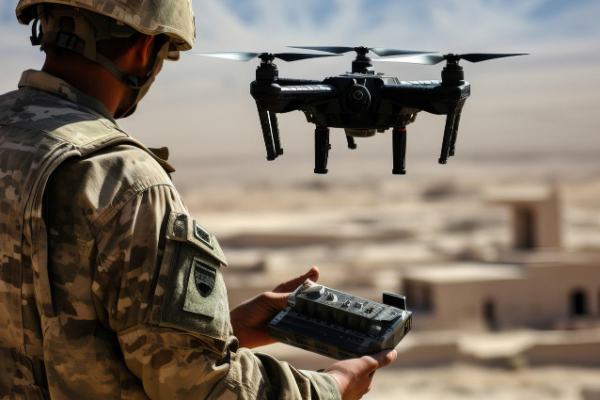
One of India’s RPTOs with 10 Approved Flying Zones by DGCA The Drone RPTO of AVPL International (AITMC Ventures Limited) in Sisai, Hisar has received official approval from the Directorate General of Civil Aviation (DGCA), marking a key milestone for drone training in North India. The RPTO now features 10 dedicated flying zones, offering extensive hands-on training for students. The RPTO offers students hands-on experience in flying and maintaining drones, adhering to national safety and training standards. The RPTO aims to empower young men and women with drone skills for sectors like agriculture, infrastructure, logistics, security, and environmental projects, while positioning Hisar as a hub for skill development and employment opportunities. Dr. Preet Sandhuu, Founder & MD of AVPL International, said, “This DGCA approval is a proud moment for us. Our mission is to equip India’s youth with cutting-edge drone skills and create meaningful employment opportunities, especially in rural areas. We are committed to building a skilled workforce ready for the future of drone technology.” AVPL International (AITMC Ventures Ltd.) is a leading drone company. They stand at the forefront of India’s drone revolution, blending cutting-edge research, robust R&D infrastructure, and industry-driven innovation. With over a decade of leadership, AVPL is committed to shaping the future of unmanned systems globally. Their objective is to indigenously design, manufacture and operate cutting-edge unmanned aerial systems across critical sectors including Defence, Logistics, Agriculture, Urban Development, Land & Mining, Power, Forestry, Roadways, and Skill & Education, thereby strengthening national security, driving sustainable socio economic transformation, and propelling India’s drone industry to global leadership under the ‘Make in India’ initiative. Read More

Read More

HIKROBOT India Launches Smart Code Readers with Liquid Lens for Indian Automation Market

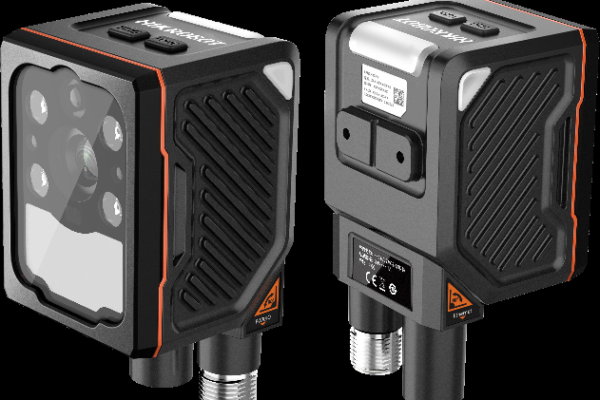
HIKROBOT India has launched Smart Code Readers series including ID2000, ID3000, ID5000 and ID6000 Series variants with liquid lens for the India’s fast growing automation market. In the realm of machine vision, Hikrobot India has introduced the wide range of smart code reader for demanding machine vision environments. The SC3000XM uses triple optics and deep learning for high-speed OCR and accurate code reading. The ID5000X also employs deep learning but features a liquid lens for dynamic focus, making it ideal for code reading in production lines where object distance frequently varies. ID2000 Series Smart Code Reader As a compact industrial barcode reader, ID2000 series can be embedded in automated machine equipment and other automated assembly line proximity barcode reading applications. Support common 1D, 2D and DPM codes, the patented lighting design provides high-quality image lighting. ID3000 Series Smart Code Reader Based on the embedded deep-learning platform, ID3000 adopt compact & modular design. With easy debugging (mechanical focusing), automatic polarization function and controllable light source branching, ID3000 can be widely used in various code reading scenarios. Its specifications include 6mm, 1.3MP (1280×1024), 60 fps, 84 codes/ sec, White, Fast Ethernet. The ID3000 series integrates a deep-learning system chip (Soc), which has powerful computing power and lower energy consumption ratio. ID3000 series has a high-speed recognition efficiency and stable recognition for label paper and DPM barcodes. The ID3000 series has a rich selection of light source, lens and other modules, which is easy to switch, can ensure the best image lighting effect and adapt to the requirements of different working distances and fields of view in complex working conditions. ID5000 Series Smart Code Reader Based on multi-core deep learning processor, the full-featured code reader brings powerful code reading performance. Equipped with mechanical focus lens and various components, ID5000 can reach up to 20M pixels, suitable for various code reading applications. ID6000 Series Logistics Code Reader Image-based high-resolution barcode reader ID6000 is specialized for the logistics industry. ID6000 has especially developed in algorithm development to cope with various complex logistics code reading application scenarios. Application Scenarios Smart code readers with liquid lens technology have various application scenarios, including: Key benefits of smart code readers with liquid lens include: Hikrobot’s smart code readers with liquid lens technology provide robust solutions for industries requiring high accuracy and speed. Read More

Read More

Hikvision Among theFirst Companies Worldwide to Earn NISTCSF 2.0 Certification

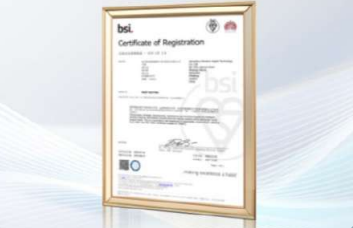
Hikvision has successfully achieved certification under the NIST Cybersecurity Framework (CSF) 2.0, following a rigorous independent audit conducted by the British Standards Institution (BSI). With this milestone, Hikvision becomes one of the first companies worldwide to achieve this certification, demonstrating its commitment to aligning its cybersecurity governance, risk management, and compliance practices with internationally recognized standards. What is NIST CSF 2.0? The NIST Cybersecurity Framework (CSF) is a set of voluntary guidelines developed by the National Institute of Standards and Technology (NIST) to help organizations of all sizes manage and reduce cybersecurity risks. The framework consists of three main components – the Core, Organizational Profiles, and Tiers. The CSF Core defines six key functions – Govern (GV), Identify (ID), Protect (PR), Detect (DE), Respond (RS), and Recover (RC) – providing organizations with a strategic lifecycle for managing cybersecurity risks. Compared with version 1.1, which laid the foundation for lifecycle-based risk management, NIST CSF 2.0 introduces important enhancements, including: Building a robust cybersecurity and governance System Hikvision has established a robust, end-to-end cybersecurity system aligned with all six core functions. The company embeds security into its corporate strategy, risk management, compliance programs, and supply chain operations, ensuring that security practices are integrated across all business processes. Achieving NIST CSF 2.0 certification confirms that Hikvision’s cybersecurity governance aligns with international best practices. With comprehensive, layered security capabilities, Hikvision supports partners and clients worldwide in achieving safe, compliant, and reliable operations – reinforcing its commitment as a trusted global technology partner. Our ongoing commitment to cybersecurity Hikvision is committed to advancing cybersecurity and privacy protection across all aspects of its operations. The company adheres strictly to internationally recognized standards and regulatory requirements, conducting regular capability assessments and continuous improvement programs to enhance its security posture. Over the years, the company has achieved a broad portfolio of globally recognized certifications including ISO/IEC 27001:2022, ISO/ IEC 27701:2019, ISO/ IEC 27017, ISO/ IEC 29151, and ISO 38505-1:2017, in addition to the newly awarded NIST CSF 2.0 certification. Cybersecurity is at the core of trust. To date, Hikvision has earned more than 25 authoritative security and compliance certifications worldwide, reflecting its ongoing commitment to safeguarding data and building digital trust. Looking ahead, the company will continue to advance its cybersecurity programs and share best practices across the industry.

Read More

Bosch FLEXIDOME video cameras with remote commissioning

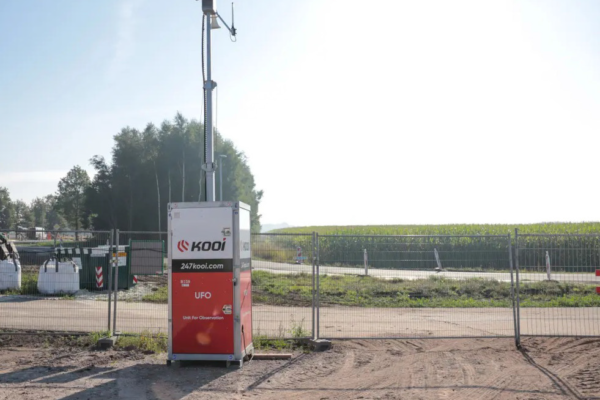
Reliable video cameras for construction sites monitored by Kooi Construction sites often require video monitoring to secure the area and prevent vandalism or theft. Kooi Camera Surveillance equips such sites with temporary video surveillance solutions. The company provides customers – such as solar farm developer Powerfield – with mobile masts fitted with high-tech video cameras. The solutions capture footage while a remote monitoring team responds when an alarm is triggered. Proof of concept to find the best fit Costly, complicated false alarms had become a major pain point for Kooi. The company set out to find a new video camera partner that offers an intelligent video camera concept. A proof of concept ensured the solution selected would lower the number of false alarms Kooi had been facing. Their requirements for the new solution were clear: Bosch video cameras emerged as the winner. They reduce false alarms even in challenging weather conditions. Reliable on-the-edge Intelligent Video Analytics (IVA) ensures minimal data usage. Seamless Genetec integration & best-in-class security Before selecting a camera provider, Kooi had already chosen Genetec software for alarm controls. The chosen cameras not only support Genetec technology, but also seamlessly integrate it into the ecosystem. This means cameras and alarm processing are fully in sync for a streamlined security solution. Moreover, the cameras are designed to uphold high security standards, keeping the data they capture safe and sound. Clients rave about video surveillance that always works Kooi’s client Powerfield immediately noticed the benefits of the upgraded mobile masts with new video cameras. “The image quality of the FLEXIDOME cameras is really good,” said Henk Haaksma from Powerfield, “Thanks to live viewing of images I can check in anytime, anywhere. The AI delicately filters out unnecessary alarms. If something serious happens, the operator sees it, understands it, and responds immediately. It just always works.” Henk Haaksema is satisfied with overall solution. The switch from the FLEXIDOME IP starlight 7000 to the 8000i series also brought a significant reduction of unnecessary alarms. And the system is ready for whatever comes next. A partnership built on trust Success of this rollout didn’t happen by chance. It was built on a strong partnership with Kooi. The team worked closely with Kooi from day one – listening, adjusting, and ensuring the solution truly met their needs. Kooi didn’t just get a product, but a partner who supports them, today and tomorrow. Main benefits Read More

Read More

Protection Against Harm to property : Dominion, Deprivation, Prop-tech and Remedies

Introduction: The Shifting Sands of Property Protection In this article we discuss briefly about the concept of property. ‘Property’ lies at the heart of both economic organization and individual liberty. Property represents not merely material possessions but also the social, legal, and moral recognition of ownership and control over tangible and intangible assets. In legal terms, property entails a bundle of rights – possession, enjoyment, and transfer that define the individual’s relationship with things and society’s recognition of those relationships. According to the Allianz Global Wealth Report 2025, in a study, covering nearly 60 countries, it was revealed that financial assets of Indian households rose strongly to 14.5% in 2024. The structure of Indian households’ financial savings has deposits, gold as well as instruments such as stocks, small savings and government bonds, and provident and pension funds. The structure of the assets primarily has deposits, gold and silver, immovable property (residential or commercial), market shares, and to some people, intellectual property. About 73% of households own a house, 50% own a two-wheeler and 8% own a car as property.1 This article hence, puts effort to address cardinal laws governing both movable and immovable property along with brief discourse on various aspects critical to their legal attributes. Dominion: Charting the Evolution of Property and Ownership In ancient India, private land ownership, including the right of alienation, was primarily held by the priestly elite and acquired through formal land grants. Over time, the notion of private land ownership evolved into a vital social institution based on confluence of factors, including economic challenges of the period and allocation of land to officers, religious institutions, and other entities in exchange for services rendered. Historically, the evolution of ‘property’ as a legal concept can be traced to the colonial imposition of English common law through the Indian Penal Code, 1860 (IPC). Under the Constitution, the right to property was originally enshrined as a fundamental right under Articles 19(1)(f) and 31 of the Constitution in 1950, protecting citizens against arbitrary deprivation of property. However, due to socio-economic reform needs especially in land reforms along with its redistribution, and conflicts between individual rights and public interest the right to property underwent several constitutional amendments. The most significant change occurred with the 44th Amendment Act of 1978, which removed the right to property from the list of fundamental rights and relegated it to a legal right under Article 300A. This shift empowered the state to acquire private property for public purposes under authority of law, while still protecting owners from arbitrary deprivation. The judicial system has also played a key role in interpreting and reshaping these rights through landmark rulings over the years, balancing development needs and individual rights. Case of Kesavananda Bharati vs. State of Kerala (1973), while primarily concerned with the scope of Parliament’s amending power under Article 368, significantly illuminated the constitutional dimension of property. Though the right to property ceased to be a fundamental right after the 44th Constitutional Amendment (1978), it remains a vital constitutional and statutory right under Article 300A. The judgment reaffirmed the notion that property, though modifiable by the state, cannot be arbitrarily deprived, and that the rule of law forms an immutable part of the basic structure of the Constitution. In international law, Article 17 of the Universal Declaration of Human Rights (UDHR) asserts that every individual has the right to own property and cannot be arbitrarily deprived of it. Notably, the right to property was excluded from the 1966 International Covenants, making it one of the few rights articulated in the UDHR not incorporated into legally binding treaties. Furthermore, the International Convention on the Elimination of All Forms of Racial Discrimination (ICERD) (1965) and the Convention on the Elimination of All Forms of Discrimination against Women (CEDAW) (1979) refer property rights, underlining the principle of non-discrimination. The Property Landscape Under Indian Law The Transfer of Property Act, 1882 establishes the framework for property transfer in India, using terms such as movable, immovable, tangible, and intangible to categorize property types. While these terms are not defined in this Act, they are clarified in the Registration Act, 1908. Movable and Immovable Property Unlike immovable property – such as land or buildings – movable property can be physically relocated from one place to another without altering their essential character or value. Tangible and Intangible Property Tangible property has a physical presence and economic value, including items like jewelry and vehicles. In contrast, intangible property, which lacks physical existence, includes securities, software, and intellectual property. Intellectual property arises from creative endeavors and are governed by laws that are distinct from general property law. Corporeal and Incorporeal Property Corporeal property has physical existence and can be owned such as jewellery and electronics unlike incorporeal property that consists of rights like copyrights and lease rights. Public and Private Property Public property is owned by the government for public use, including parks and hospitals, while private property is owned by individuals or entities for personal use, such as land and houses, trademarks, etc. Property in Indian Penal Code, 1860 and Bharatiya Nyaya Sanhita, 2023 The Indian Penal Code, 1860 (IPC) Chapter XVII, titled ‘Offences Against Property,’ encapsulated this protection through provisions on theft, extortion, robbery, dacoity, criminal misappropriation, and criminal breach of trust. However, the rise of the digital economy, cyber assets, and intangible property forms such as data, cryptocurrency, and intellectual content have blurred the traditional boundaries between ‘things’ and ‘information.’ This called for a re-examination of how ‘harm’ to property is conceptualized in modern law. The Bharatiya Nyaya Sanhita, 2023 (BNS), enacted to replace the IPC, attempts to modernize this approach by reclassifying and redefining several offences against property. While maintaining the structural resemblance to Chapter XVII of the IPC, the BNS incorporates technological realities that increasingly define harm in the 21st century. Recognition under BNS of electronic data and digital assets Hacking (i.e., unauthorised access) Section 378 IPC is now Section 303 BNS, that provides – although digital data is intangible,…

Read More

VIVOTEK’s AI Solutions Proactively Enhance Campus Safety

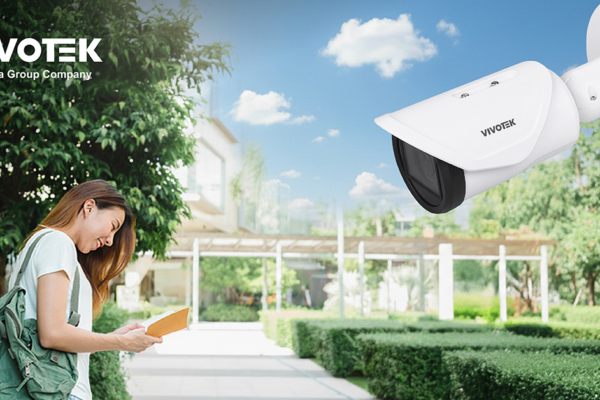
Safer Learning Environments: Drive Global Market Expansion In recent years, campus safety and student mental health have drawn growing attention. Government data in Taiwan show a rise in emotional and stress-related issues among students aged 15-24. Unauthorized attempts to enter campuses still occur, unsettling students and staff. Strengthening security management and proactive alerting has therefore become a priority for schools. To address risks such as expansive campuses, multiple entry points, blind spots, and potential intrusions, VIVOTEK (3454-TW), the leading global security solution provider, has been promoting its AI-driven education security solutions, designed to proactively detect risks and safeguard school environments. According to a report by research firm GII, the global education security market is projected to reach USD910 million in 2025 and grow to USD1.6 billion by 2030, representing a compound annual growth rate (CAGR) of 11.96%. As AI video analytics, edge computing, and cloud management platforms mature, security systems are evolving beyond passive video playback into an era of real-time detection and proactive response. In education settings, AI can automatically detect intrusions into restricted zones and trigger instant alerts, enabling security personnel to make swift and informed decisions. In recent years, campus safety and student mental health have drawn growing attention. Government data in Taiwan show a rise in emotional and stress-related issues among students aged 15- 24. Unauthorized attempts to enter campuses still occur, unsettling students and staff. Strengthening security management and proactive alerting has therefore become a priority for schools Recently, VIVOTEK deployed a comprehensive education security solutions at a renowned national university in Taiwan, installing hundreds of AI Bullet and Fixed Dome cameras across entrances, rooftops, classrooms, corridors, walls, elevators, and parking areas. Integrated with the VAST Security Station (VSS) Pro platform, the system delivers: With comprehensive, AI-enabled coverage, schools can monitor in real time and avert risks, fostering safe, welcoming, and sustainable learning environment. Beyond Taiwan, VIVOTEK’s education security solutions are also used in the United States, Belgium, and Indonesia, tailored to local needs to build a global network of smart, sustainable campuses. Read More

Read More

The Tangible Advantages of Flir Nexus

While many security professionals are becoming increasingly aware of Flir Nexus, some remain unclear on the tangible advantages this advanced innovation can offer. So, who better to provide a few key insights than Flir Security Software Architect and all-round Nexus Guru, Ignacio Vilches Rojo? Flir Nexus: What is it and what tangible gains does it provide in thermography and perimeter security applications? A good way to understand Flir Nexus is to first grasp the central challenges facing security managers today. According to Ignacio, the primary one here is the need for greater situational awareness. “This includes understanding a given circumstance, collecting and analysing relevant information, and making informed decisions to address any potential risks,” he explained. In thinking about a conventional design for perimeter security, many would expect the system to include a variety of detection and data handling/ processing technologies. Flir typically works with customers to create a virtual barrier that comprises a combination of thermal and visible cameras, and radar-which are then coupled with detection analytics. These cameras work together, using Nexus as the communication protocol, and provide accurate information to track people, animals or vehicles. It’s the action that follows a perimeter breach that determines how a security team should respond. Unfortunately, this is where we see gaps in security system designs which ultimately mean the operator does not have total situational awareness But there is one key point to consider here: “It’s the action that follows a perimeter breach that determines how a security team should respond. Unfortunately, this is where we see gaps in security system designs which ultimately mean the operator does not have total situational awareness.” Reading the Situation: How Flir Nexus Enhances Situational Awareness Flir Nexus is a software and proprietary communication protocol for thermal imaging systems that helps bridge the gap between devices and systems, ensuring a more complete understanding of the environment outside and inside a security perimeter. To execute a high level of situational awareness, a customer typically requires some form of advanced software that collects the geodata presented by different sensors before co-ordinating proper hand-offs as the target moves. Flir Nexus meets this ambition in a different way. It allows edge devices to communicate in a server/client format without the need for any software or a server in the middle, reducing the cost of ownership. Right now, Nexus is the only protocol that permits access to all the different features and settings required to achieve a high level of integration with Flir sensors, providing you with the best image. Notably, the camera becomes a server by definition because it provides functionality that can be connected to and used. It also becomes a client of other cameras using the Nexus protocol. I see this as a further differentiator that allows us to really ‘explode’ Nexus features for use by the cameras themselves, providing access to a whole new world of possibilities Flir Nexus devices facilitate straightforward installation since all edge devices communicate in real-time, only requiring simple configuration. “When combined with our camera analytics for detection, Nexus can identify, locate and track targets at the edge,” continued Ignacio, “As a potential threat moves through the scene, Nexus-enabled devices communicate the geodata to other Nexus devices and provide seamless hand-offs for continuous tracking. This capability ensures you have complete situational awareness to make informed decisions.” Another advantage is that Nexus allows customers to extend their coverage over large areas using fewer devices, making the provision of total situational awareness far more affordable. The Flir Nexus Difference: Futureproof, Modular, and Intelligent Nexus’s modular architecture is a major market differentiator. Its strategic building block approach forms a robust, multi-layered, and fully integrated security solution. Always employing the same base structure to help create the optimal solution ensures backwards compatibility, simplifying the task of making future additions or changes, even if they take place many years down the line. This level of futureproofing ensures Nexus retains its considerable capability advantages. “By combining thermal, visible and ground-based radar imaging with Flir’s classification analytics, the multi-layered Nexus helps detect, identify, track and act over a long range and in any weather conditions,” added Ignacio, “Notably, you can detect threats in real time, which is important for rapid response and the ability to adapt continuously in the face of security breaches.” While many other communication protocols exist, some of which are open, most were developed and defined before the widespread adoption of thermography processes in the security arena. At that time, developers were instead focusing on visible spectrum cameras. “Right now, Nexus is the only protocol that permits access to all the different features and settings required to achieve a high level of integration with Flir sensors, providing you with the best image. Notably, the camera becomes a server by definition because it provides functionality that can be connected to and used. It also becomes a client of other cameras using the Nexus protocol. I see this as a further differentiator that allows us to really ‘explode’ Nexus features for use by the cameras themselves, providing access to a whole new world of possibilities.”   A Sense of Space: How Flir Nexus Integrates Radar and Geodata A good example involves the integration of radar. By providing detection from radars as points in space (latitude and longitude), it becomes possible to show them on a map, point to them with cameras, or simply provide alarms – a major advantage in security. “Why not create a ‘window’ from a video and make objects appear in the real world through latitude and longitude co-ordinates,” explained Ignacio, “It required advanced mathematics, and you need good calibration to ensure accuracy, but using Nexus ultimately means a target in the video now becomes a target in the real world, where things happen and make sense. Seeing an object on a map means you really see it moving towards you. It has more meaning.” He added, “Nexus is the software… is the protocol… is a way of working. It’s far more than a translator,…

Read More