

securitylinkindia

MassMediaLink India LLP SecurityLink India

Private Security Agencies are Proxy Service Providers of the Government

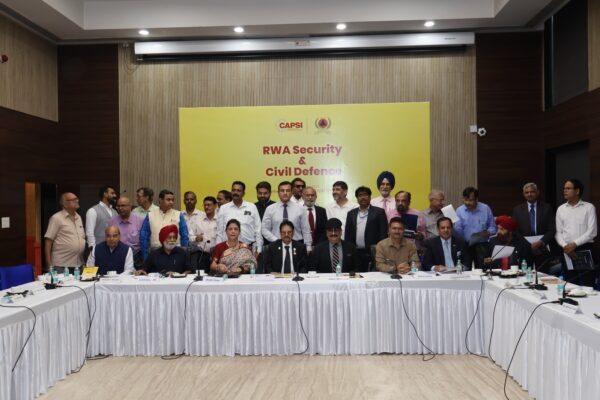
By Kunwar Vikram Singh,Chairman, CAPSI Introduction In India, the Constitution enshrines the fundamental right to security for every citizen, placing the onus on the government to uphold law and order. The security of citizens is explicitly stated as a fundamental right in the Indian Constitution. It is implicitly covered under the right to life and personal liberty (Article 21) and the right to constitutional remedies (Article 32). The state has a duty to protect citizens from harm and ensure their safety. However, due to various challenges such as inadequate police forces, resource constraints, and rising security threats, the government has increasingly relied on private security agencies to fulfill this critical function. This note examines the role of private security agencies in this context and argues that the government should support them financially, as they effectively act as proxies for state security. Private security agencies as proxy providers The emergence of private security agencies has filled a significant void in the public security framework, particularly in urban areas where crime rates are higher. The Private Security Agencies Regulation Act was enacted to provide a legal framework for these entities, allowing them to operate within a regulated environment while addressing the growing demand for security services. Fulfilling security gaps As the government faces limitations in terms of manpower, funding, and resources, private security agencies play a pivotal role in enhancing safety for individuals and businesses. They not only provide physical security but also contribute to surveillance and risk management, thereby complementing the efforts of public law enforcement. Legitimization through regulation The regulation of private security agencies signifies the government’s acknowledgment of their importance in the security landscape. However, this regulatory framework also implies that the state recognizes these agencies as extensions of its responsibility to secure the populace. Proxy functions and financial responsibility Since private security agencies are effectively performing a proxy role for the government, it raises key questions about accountability and funding: Government responsibility The government is fundamentally responsible for ensuring the safety of its citizens, and when it delegates this function to private entities, it must acknowledge this responsibility financially. The burden of security provision should noat primarily rest on citizens, who are entitled to the fundamental right to security guaranteed by the Constitution. 2. Financial support for private agencies Given that these agencies are performing essential functions traditionally associated with law enforcement, the government should allocate funds to private security firms. This funding can support operational costs, training, and resources needed for effective security provision, ensuring that these agencies can operate efficiently without passing the financial burden onto the citizens. 3. Ensuring access to security By providing financial support to private security agencies, the government can ensure that security services remain accessible and affordable for all citizens especially those living in housing societies. This acknowledgment of the state’s role in bolstering private security efforts is crucial for upholding the spirit of the fundamental right to security. Constituting National Citizens Security Fund We propose that the government consider implementing a structure that encourages or mandates corporations to allocate a portion of their CSR budgets to the National Citizens Security Fund. This fund would be specifically aimed at enhancing public safety infrastructure, community policing initiatives, and other security-related programs that benefit citizens directly including the payment to private security agencies which are providing security to housing societies. Many corporations have significant CSR budgets that are not effectively utilized for pressing social challenges. Redirecting a portion of these funds to national security can enhance their impact and address critical needs. By linking CSR funds to national security, corporations can demonstrate their commitment to societal well-being, which can also enhance their brand image and consumer trust. Funding allocated to local security initiatives can foster stronger community relations, as citizens observe tangible benefits stemming from corporate contributions to their security. Establish guidelines The government should develop clear guidelines outlining how corporations can contribute to the National Citizens Security Fund through their CSR budgets. Awareness campaign A nationwide campaign to educate corporations about the importance of contributing to national security can encourage participation. Monitoring and reporting: Establish a transparent mechanism to track contributions and measure their impact on citizens’ safety, ensuring accountability and encouraging further participation. Conclusion The security of our citizenry is paramount, and it is essential that suggested funding sources are explored to bolster our national security framework. By encouraging corporates to support the National Citizens Security Fund from their CSR allocations, we can create a synergistic approach that not only addresses pressing security challenges but also enhances corporate engagement with communities. The reliance on private security agencies to supplement governmental security efforts highlights a critical intersection between public responsibility and private provision. As these agencies undertake roles traditionally expected from the government, it is necessary for the state to support them financialy. This approach not only alleviates the burden on citizens but also reinforces the government’s commitment to protecting the fundamental right to security enshrined in the Constitution. By recognizing the importance of private security agencies and providing the necessary support, the government can create a more integrated and effective security framework for all. We urge the government to consider this proposal seriously and take proactive measures to facilitate corporate contributions to the National Citizens Security Fund. Read More

Read More

Online Safety for Children : Protecting the Next Generation from Harm

Major Sadhna SinghConsultant (Security and Law Division)NITI AAYOG In today’s increasingly interconnected world, the internet is an essential part of daily life, offering numerous opportunities for education, entertainment, and social interaction. However, this digital landscape also poses significant risks, especially for children. As young users navigate online spaces, they are exposed to threats such as cyberbullying, inappropriate content, online predators, and privacy violations. As guardians of the next generation, it is crucial to understand these dangers and take active steps to protect children online. This article explores the importance of online safety for children, the risks they face, and the strategies parents, educators, and policymakers can adopt to create safer online environments. India’s population is characterized by a rich diversity of socio-economic backgrounds, leading to a wide range of devices in use- from advanced, secure electronics to budget-friendly mobile phones. This diversity poses challenges for authorities in establishing uniform legal and technical standards for data protection. Moreover, low levels of digital literacy and awareness further complicate efforts to ensure effective data security across the country The growing presence of children online Children and young people around the world are among the most active users of the Internet and web based services in today’s increasingly connected digital landscape. It is estimated that one in three children globally uses the Internet, meaning that one in three Internet users is under 18 years of age. Young people use the web for a variety of purposes, including accessing educational resources, entertainment, developing digital skills, and maintaining social connections and online identities. However, the widespread availability of online content also exposes children to age-inappropriate material and various online risks. Children are particularly susceptible to abuse and exploitation by cyber-predators and other malicious actors at this young age and in their developmental stage. The COVID-19 pandemic further intensified this challenge. Lockdowns and restrictions on movement made digitalization an urgent necessity, with schools shifting from in-person classes to remote learning through virtual platforms. While this transition ensured continuity in education, it also dehumanized learning environments, disrupted social interactions, and isolated children in the digital space. This surge in digital exposure introduced new risks to their safety, well-being, and mental health. There was steep rise of 32% in cyber-crime against children from 2021 to 2022 as per National Crime Records Bureau official data. Emerging child concerns in this digital era include digital addiction, cyberbullying, exposure to inappropriate content, and the prevalence of Child Sexual Abuse Material (CSAM) online. Additionally, social media platforms, chat rooms, and online games present further threats to children’s security. Often, parents and guardians lack the digital literacy needed to understand and mitigate these risks, leaving children vulnerable to the negative impacts of their online experiences on their mental and emotional health. In today’s increasingly interconnected world, the internet is an essential part of daily life, offering numerous opportunities for education, entertainment, and social interaction. However, this digital landscape also poses significant risks, especially for children. As young users navigate online spaces, they are exposed to threats such as cyberbullying, inappropriate content, online predators, and privacy violations With the widespread availability of smartphones, tablets, and personal computers, children spend increasing amounts of time online. According to recent data, the majority of children are accessing the internet from an early age. Table 1: Trends in children’s Internet isage (2023) AgeGroup AverageHours SpentOnline perDay PercentageOwning aSmartphone Most Common Activities 0-5years 1.5 hours N/A Educationalvideos, games 6-10years 2.5 hours 60% Social media,gaming,videos 11-15years 4 hours 85% Social media,online chats,gaming 16-18years 6 hours 95% Social media,online forums,shopping Source: Child Internet Safety 2023 Report This table demonstrates how internet usage increases with age. However, it also highlights the vulnerability children face as they grow up in a digital world. In addition to spending hours online, children often interact with others across various platforms, which can expose them to new risks. Risks Children Face Online While the internet offers great educational and entertainment value, it also brings a set of significant risks for children. The most common risks include: Cyberbullying Cyberbullying is one of the most prevalent online risks for the young people around the world. It involves the use of digital platforms to harass, threaten, or manipulate others. It is one of the major threats that the children and teens face incessantly via social media sites and video games and can affect young people each time they are exposed to hate speech, violent content including messages that incite self-harm and suicides. Approximately 20 percent children face bullying through social networks and additional 8 percent through the video games chat rooms. Cyberbullying can have severe emotional and psychological impacts on children, leading to issues such as depression, anxiety, and even suicidal ideation. As children become more engaged on social media platforms, the risk of encountering bullying increases. As guardians of the next generation, it is crucial to understand these dangers and take active steps to protect children online. This article explores the importance of online safety for children, the risks they face, and the strategies parents, educators, and policymakers can adopt to create safer online environments Inappropriate content Another significant threat is the exposure to inappropriate or harmful content. With billions of videos and websites available online, it’s not uncommon for children to stumble upon explicit or distressing material, even when browsing innocently. Sometimes under peer pressure, accidental searches or curiosity they stumble upon explicit material on the internet that they should not see at this impressionable age. Online predators The anonymity of the internet creates opportunities for online predators to engage with children. Predators often exploit the vulnerabilities of young children by accessing social networking sites and chat platforms to engage with them, taking advantage of the anonymity, these spaces provide. This can put children at significant risk of abuse, exploitation, and other threats to their safety and security. Additionally, cyberbullying has become a widespread danger on social media platforms, further endangering children’s well-being. Privacy concerns Privacy violations are another critical concern. Many children unknowingly share personal details online,…

Read More

Celebrating 30 Years of Success: from Armed Forces to Making a Global Corporate Conglomerate

Interface withMaj. Manjit RajainFounder & Global Chairman ofTenon Group of Companies Maj. Manjit Rajain, the Founder and Global Chairman of Tenon Group of Companies, is a pioneering leader in the fields of Integrated Security, Facility Management, and Aviation Training. Over the past three decades, he has built Tenon Group into a global powerhouse operating across India, the UK, Singapore, and Germany. Today, the Group serves 3100+ customers, employs over 95,000 professionals, operates through 78+ offices, and records an annual turnover of ₹3000+ crores. Its three global brands – Peregrine Guarding, Tenon FM, and Soteria – have earned a reputation for excellence, innovation, and trust worldwide. Starting in 1995 with the incorporation of Peregrine Guarding, Maj. Rajain’s relentless pursuit of growth and operational excellence led Tenon Group to expand into international markets, diversify its services, and establish itself as a leader in the industry. His strategic acumen was notably demonstrated with the acquisition of Singapore-based Frontline Security, later rebranded as Peregrine Security Pte, achieving record profitability and strengthening the Group’s foothold in Southeast Asia. In recognition of his leadership and contributions to the industry, Maj. Rajain has been honoured with several prestigious awards: During the COVID-19 pandemic, his exceptional leadership was acknowledged by CAPSI with the title of ‘Commander of the Frontline Warriors’ and the Badge of Honour, celebrating his unwavering commitment to national service and humanitarian leadership. Expanding his entrepreneurial vision beyond security and facilities management, Maj. Rajain founded Redbird Aviation (Redbird Flight Training Academy) – India’s first aviation academy recognized and approved by the National Skill Development Corporation (NSDC). Redbird is transforming pilot training and aviation education in India, offering world-class training facilities and fostering a new generation of aviation professionals. His foray into aviation reflects his broader commitment to national capacity building and skills development. In addition to his corporate leadership, Maj. Rajain serves as the Chairman of the Homeland Security Forum under the Indo-American Chamber of Commerce (IACC), contributing to critical dialogues around national security and policy. A Paul Harris Fellow and a three-time Assistant Governor at Rotary International, he has been instrumental in leading initiatives such as the Polio Eradication Program and Literacy Mission in India. As a philanthropist, he drives Tenon Group’s CSR initiatives, including the adoption of a government school for underprivileged children, transforming it into a model institution aimed at providing high-quality education and opportunities for growth. Today, 500+ underprivileged girls and boys receive quality education in a productive environment and improved infrastructure. Maj. Rajain is also an active member of several global industry forums: In 2016, he was nominated as a Global Advisor to the Yale School of Management, recognizing his thought leadership and global business perspective. From building global businesses to strengthening communities and industries, Maj. Manjit Rajain’s journey is a story of visionary leadership, transformative impact, and an enduring commitment to excellence. Recently SecurityLinkIndia has had the opportunity to have a one-to-one interaction with Maj Manjit Rajain; here are the excerpts: From the armed forces to the corporate boardroom – how did your journey from the Indian Army to founding the Tenon Group unfold? My journey from the Indian Army to founding Tenon Group was one of the transformations. The Army instilled in me values of discipline, leadership, and resilience, which became the foundation of everything I did afterward. When I left the Army, I felt a strong desire to serve my country in a different way – by ensuring the safety and security of businesses, people and communities. Founding Tenon wasn’t easy. It was a leap into the unknown, with a lot of hard work, sleepless nights, and learning on the go. But the drive to create something that could make a real difference kept me going. From the beginning, my focus was clear – to build a company that was dependable, innovative, and people-centric. Today, seeing Tenon Group as a global leader, I feel a sense of pride in how far we’ve come. What core values from your military background have most influenced your leadership style in business? My military background has shaped my leadership style in many ways. The core values that I carry forward into my business are discipline, integrity, and a focus on teamwork. In the Army, every decision was based on the bigger picture, and I’ve applied that same strategic thinking in business – always keeping the longterm vision in mind. Integrity is non-negotiable, and that’s been the foundation of building trust, both internally with my team and externally with clients. Teamwork is another key value. Just like in the Army, a mission can’t be accomplished alone; success relies on the collective effort of a team. These values have become the pillars of Tenon Group and guide how we operate every day. Tenon Group has achieved several key milestones in its 30-year journey. What were some of the most defining moments that shaped its evolution into a global integrated services provider?” Tenon Group has achieved significant milestones throughout its 30-year journey. Here are some of the key highlights: 1995: Peregrine Guarding Founded: This marks the very beginning. I, with my military background, recognized a gap in the market for professional security services. Peregrine Guarding was my answer, focusing initially on manned guarding. This was a crucial first step, laying the foundation for Tenon’s future diversification. 2008: Tenon FM Incorporated: This was a strategic move to broaden the company’s offerings beyond security. Facility management (FM) is a natural complement, often involving similar client relationships & operational needs. Incorporating Tenon FM allowed the company to provide integrated solutions, a key differentiator. 2008: London Alternative Investment Market Listing: Going public on the AIM was a significant step in Tenon’s growth. It provided access to capital, increased visibility & added credibility. This fuelled further expansion & acquisitions. 2009: Acquisition of Roto Power Projects: This acquisition demonstrated Tenon’s intent to diversify beyond its core services. Roto Power Projects, specializing in mechanical & engineering services, brought new expertise & broadened Tenon’s capabilities in the facility management space. 2015: Acquisitions…

Read More

Hikvision Power X DVR Delivers Innovative Technologies to Enhance Intelligence

Hikvision India has introduced the Hikvision Power X DVR to deliver innovative technologies to enhance intelligence.Hikvision Power X DVR represents a significant upgrade in the evolution of digital video recorders (DVRs) in the video security industry. This upgrade introduces cutting-edge technologies and features to enhance intelligence and performance. This next generation DVR has improved the efficiency of video searching. It offers users a more robust and comprehensive product experience. Enhanced intelligence It is the core value addition of Hikvision Power X DVR. Some of the value added features include these offerings. ● Enhanced intelligent channels: Up to 8 channels of perimeter protection (1x improvement). ● Boosted performance: By optimized algorithm for perimeter protection. ● 3 intelligent functions in 1 device: Different channels can be configured with different intelligent functions. Quicker and more efficient video searching ● AcuSearch: Users can search specific targets of interest precisely with just one click, and then the related videos can be displayed.● Smart Search: Users can draw rule boxes or intrusion lines at the location of the event to quickly filter and identify targets. Enhanced performance ● Upgraded decoding capability: Up to 24-ch @1080p. ● HDTVI two-way audio: Supports interactive real- time communication (*M/XT model available). ● Smart fan adjustment: Fan design is based on temperature adaptive speed adjustment, providing more comfortable use of the space. Hikvision India has introduced the Hikvision Power X DVR to deliver innovative technologies to enhance intelligence. Hikvision Power X DVR represents a significant upgrade in the evolution of digital video recorders (DVRs) in the video security industry. This upgrade introduces cutting-edge technologies and features to enhance intelligence and performance. This next generation DVR has improved the efficiency of video searching. It offers users a more robust and comprehensive product experience Take the security management to the next level Hikvision’s AcuSense technology embeds deep-learning algorithms into security cameras and video recorders to equip businesses and homeowners with smart tools to take security to the next level, both indoors and outdoors. ● Faster: AcuSense technology detects intrusion threats in real time and triggers alerts to users’ mobile phones for faster response. ● More Accurate: AcuSense technology differentiates people and vehicles from other moving objects, allowing security teams to focus on real threats. ● More efficient: AcuSense technology applies labels to recorded video footage with people and vehicles, speeding up video searches, minimizing manual effort, and reducing overall. ● Easy to use: AcuSense-enabled smart cameras are installed quickly and are as easy to configure as conventional security cameras. The technology puts AI security at everyone’s disposal. Technology edge AcuSense technology uses advanced machine vision AI algorithms built into Hikvision security cameras and video recorders to boost home and business security. Application scenario The Hikvision Power X DVR is highly applicable in various application scenarios, including Industrial Park, Monitoring Center, Warehouse, Restaurant and Store, etc. Read More

Read More

WHERE INNOVATION MEETS OPPORTUNITY IN FUTURE INDUSTRIES FEATURE

Anil PuriCMD, APS Group A first generation serial entrepreneur, thought leader and an action catalyzer rolled into one – Anil Puri, Chairman & Managing Director (CMD), APS Group is a rare combination of a visionary, an innovator and a strategic thinker. He has used this combination to innovate and implement on-ground many new business ideas. His rich experience in various businesses has enabled him to nurture & mentor innovative ideas and scale them up. Introduction As we stand on the cusp of unprecedented technological transformation, future industries are witnessing a tectonic shift in how business is conceptualized, risk is managed, and leadership is exercised. In this context, Chief Security Officers (CSOs) and Risk Leaders are emerging not merely as custodians of safety and compliance, but as strategic partners in innovation and business evolution. This article delves into the profound expectations placed upon CSOs in this evolving landscape and examines how their empowerment is crucial to aligning security with opportunity across emerging industries such as artificial intelligence (AI), fintech, biotechnology, smart manufacturing, aerospace, and the green economy. As the global industrial landscape transforms at unprecedented speed, driven by disruptive technologies and evolving socio-political dynamics, a silent revolution is underway – reshaping the very fabric of how organizations perceive risk, resilience, and security. Innovation today is not a choice; it is an imperative. But where innovation thrives, so does uncertainty. And in that fragile space between potential and peril, Chief Security Officers (CSOs) and Risk Leaders emerge not just as sentinels of protection, but as strategic enablers of progress. Expectations and Empowerment of Chief Security officers and Risk Leaders in the Journey In the new era of smart manufacturing, autonomous logistics, digital finance, hyper-connected cities, and AI-powered services, the role of the CSO has transcended conventional security paradigms. They are no longer confined to operational silos; instead, they sit at the intersection of innovation, governance, and enterprise value creation. With great opportunity comes heightened expectation – organizations now demand that risk leaders not only anticipate threats but shape pathways for safe, sustainable, and agile innovation. The Future doesn’t belong to those who avoid risk, but to those who know how to master it. That’s the CSO’s new frontier The new paradigm: Innovation-driven risk landscapes The 21st century ushers in a paradigm where innovation itself becomes both the catalyst for growth and the creator of unprecedented risks. As organizations rapidly integrate cutting-edge technologies – ranging from AI and block chain to biotech and quantum computing – their operational environments evolve into dynamic, hyper-connected ecosystems. These ecosystems are, while fertile grounds for exponential value creation are also increasingly vulnerable to novel and unpredictable threats. In this innovation-driven landscape, risk is no longer confined to traditional silos such as physical security, compliance breaches, or financial fraud. Instead, it manifests across converging vectors – ethical, technological, reputational, and systemic. For example: ● AI and machine learning systems can perpetuate algorithmic bias, hallucinate, or make autonomous decisions that carry legal and societal consequences. ● Quantum computing poses existential threats to current encryption standards, potentially rendering today’s cybersecurity protocols obsolete. ● Industrial Internet of Things (IIoT) in smart manufacturing exposes machinery and operational workflows to cyber-physical sabotage. ● Digital assets and decentralized finance (DeFi) platforms challenge regulators and introduce liquidity and custodial risks that bypass conventional risk controls. Where innovation meets opportunity, risk leaders become the navigators – not of danger, but of bold, intelligent growth Thus, the risk landscape is no longer reactive – it is predictive, real-time, and interconnected. CSOs must shift their orientation from reactive gatekeeping to proactive, innovation-aligned security strategy. They must understand emerging tech not just as threats, but as transformative tools to detect, deter, and even displace risk at its inception. This new paradigm requires that CSOs be fluent in technology foresight and lifecycle risk mapping, cross-sectoral threat intelligence analysis, designing adaptive, embedded security frameworks, and driving resilient innovation ecosystems with governance-by-design. In essence, the innovation-driven risk landscape does not merely redefine the threat environment – it redefines the CSO’s purpose. Risk is no longer just something to be avoided; it becomes something to be navigated with precision, vision, and strategic foresight. With innovation driving new business models, security challenges are growing in complexity and scale. For example – AI and machine learning introduce new ethical and operational vulnerabilities, quantum computing disrupts cryptographic protections, smart factories are exposed to industrial cyber-physical threats and digital finance platforms face targeted fraud, identity theft, and systemic risks. Expanding expectations from CSOs in future-driven industries In the wake of accelerated digitization, global volatility, and complex stakeholder ecosystems, the role of Chief Security Officers (CSOs) is undergoing a profound transformation. No longer limited to managing physical threats, compliance obligations, or incident responses, CSOs in future-driven industries are now expected to serve as strategic enablers, systems thinkers, ethical stewards, and transformation catalysts. From operational silos to strategic leadership Future-ready enterprises are integrating security strategy directly into their business DNA. This implies that CSOs must co-create business strategies that are both growth-oriented and risk-conscious, influence product roadmaps, supply chain resilience, and investor risk transparency and shape market-entry strategies in volatile regions through risk modeling and scenario planning. Expectation: CSOs must now operate at the C-suite core, influencing decisions not just reactively, but proactively – and often preemptively. From static protection to dynamic innovation enablement Innovation is not inherently secure, and security is not inherently innovative – but the new CSO must ensure both coexist harmoniously. Future industries demand CSOs who enable agile product development by building ‘security by design’ into every sprint cycle, leverage AI, blockchain, and IoT as not just risk points but risk-solving tools, and architect zero-trust environments that are resilient yet flexible for innovation. Expectation: CSOs are now expected to be innovation accelerators, not brakes – aligning transformation with trust. From physical and cyber risk managers to societal and ethical guardians Technological evolution is outpacing regulatory evolution. In this gap, CSOs are expected to champion ethical risk governance, ensuring that innovation respects privacy, dignity, and…

Read More
im004

STQC Mandate –Opportunity or Threat

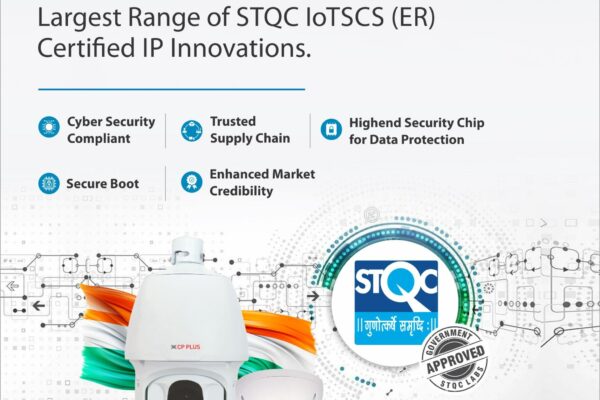
STQC is a buzzword today in electronic security industry in India. The Standardization Testing and Quality Certification (STQC) Directorate, under the aegis of MeitY (Ministry of Electronics and Information Technology), has laid down a meticulous framework – ER IoTSCS (Essential Requirements for Security – IoT Surveillance Compliance Standards), whereby all the CCTV products installed in India will have to be cyber secured, and all non-compliant products are barred from sale in the Indian market by April 9, 2025,. These are not mere technicalities; they are for the constitution of credible Make in India surveillance, demanding that every camera be proven for impregnable security, resilience, and integrity. The objective of the directive is to check data leakage and fortify national security. In a country as vast, diverse, and complex as India, securing urban and rural spaces alike has always been a daunting challenge. Surveillance cameras, once mere watchers on walls, are now becoming intelligent sentinels – capable of analyzing, alerting, and adapting. But with power accountability must come – STQC. India’s surveillance landscape is undergoing a significant transformation with the enforcement of new compliance regulations – STQC ER, PPO’24, and CRO’24. These frameworks, introduced by the Ministry of Electronics and Information Technology (MeitY), are designed to raise the bar for quality, cybersecurity, and trust in video surveillance products across the country. At the center of this transformation is Essential Requirements (ER), a mandatory compliance standard aimed at ensuring hardware-level security, robust firmware protection, and transparent supply chains in network cameras. To certify products against these requirements, MeitY has authorized STQC (Standardization Testing and Quality Certification) to evaluate surveillance devices under the IoT System Certification Scheme (IoTSCS). This certification process ensures that cameras are not only secure and reliable but also aligned with global benchmarks like ISO/ IEC 27402 for IoT cybersecurity. While the regulations began with a focus on government tenders, their scope has expanded. Under the Public Procurement Order 2024 (PPO’24), all government entities are mandated to use only STQC-certified, ER-compliant cameras in their projects. Whether it’s a smart city installation, law enforcement initiative, or defense setup, only certified products are now eligible for procurement. PPO’24 also strengthens the Make-in-India movement by giving preference to locally manufactured solutions. Vendors are categorized based on local content, and those found misrepresenting their compliance risk being blacklisted. The private sector is not left out either. Customer Requirement Order 2024 (CRO’24) makes STQC ER compliance mandatory for all network cameras sold in India, regardless of the buyer. This means that even retail chains, corporate offices, or manufacturing facilities must now ensure that the surveillance products they buy meet these cybersecurity and safety standards. By April 9, 2025, all non-compliant products will be barred from sale in the Indian market. Although the concept of scheme is welcome by all the stakeholders, a large share of the industry including IT and allied industry has reservations on the modus operandi of phasing out the products and its timeline. There was internal discussions, a sort of protest, and press brief on 22 April 2025 at Misonic Club, Janpath wherein more than 50 MSMEs took attendance and put forth their grievances and demands to the government. The delegates representing VIVOTEK, Infinova, Hanwha and various other IT and security companies were present there in the solidarity of the campaign. The protest was led by FAITTA, APSA, ESAI and many other allied associations. They all were in agreement of the concept and objective of upholding national security but were in demand of extension of timeline. Further, a team of SecurityLinkIndia magazine and eportal got engaged in conversation with various stakeholders to know about their take on the given subject of STQC mandate, and gathered their view points. Here are some of them: Aditya Khemka Managing Director, CP PLUS (Aditya Infotech Ltd.) At CP PLUS, we believe in delivering technology that not only leads the industry but also empowers our country to meet its security challenges head-on. Achieving the ER IoTSCS STQC certification is a testament to our unwavering commitment to excellence in security technology. It assures our customers that they are investing in products that meet the highest benchmarks of performance, safety, and quality. With this certification, CP PLUS’ camera range is poised to support various government-led and private-sector initiatives, offering secure, resilient, and intelligent surveillance capabilities. The certification also positions CP PLUS as a trusted partner for organizations that require compliance with national standards for security technology in government, critical infrastructure, and commercial applications. From smart city deployments to enhancing school safety, CP PLUS leverages STQC-certified solutions to meet diverse security needs. Our cameras integrate seamlessly with AI-powered analytics, ensuring proactive threat detection and real-time monitoring across industries. STQC certification embodies a commitment to quality, trust, and excellence within India’s security and surveillance industry. By certifying critical systems, it underpins the reliability of technologies safeguarding the nation’s infrastructure and citizens. With trailblazers like CP PLUS leading the charge through certified innovations, the future of surveillance in India is not only secure but also getting more and more advanced each day. Gaurav Taywade Director, India Operation | Vicon Industries I would like to express my sincere appreciation for the initiative taken by MeitY and BIS with the introduction of the BIS: ER 2024 certification, aimed at further elevating the quality and security standards for surveillance products in India. This progressive step reflects the government’s strong commitment to enhancing the nation’s digital infrastructure and ensuring greater protection for critical systems. While the underlying objectives of this regulation are commendable and aligned with the broader vision of a self-reliant India, it is equally important to thoughtfully consider the practical dynamics during its implementation. In the early phases, there could be some transitional challenges, such as potential constraints on the availability of globally recognized products, higher costs, and longer lead times, which may affect the Indian system integrator ecosystem. I would also like to encourage all brands and industry participants to actively engage with the authorities, bring forward their questions and suggestions, and work collaboratively towards…

Read More
Logistics

Harnessing the Power of Open and Collaborative Systems in Logistics

In today’s rapidly evolving e-commerce landscape, the ability to manage high-volume logistics operations efficiently and effectively is more critical than ever. Supply chain disruptions, changing customer expectations, and rising costs are just a few of the challenges that logistics managers face daily. To navigate these complexities, companies are increasingly turning to integrated technology solutions that can streamline processes, improve decision-making, automate tasks, and enhance customer service levels. Logistics Management Magazine and Hikvision have jointly released a new white paper to explore the transformative power of open and collaborative systems in logistics. The white paper shares insights into how integrated technology ecosystems can help organizations break down data silos, improve end-to-end visibility, and achieve significant operational efficiencies. Disparate systems lead to inefficiencies In the modern logistics landscape, traditional on-premises legacy systems often struggle to communicate with each other, resulting in data silos, manual interventions, and poor visibility across the organization. These issues are particularly pronounced in e-commerce, where accurate and timely insights have become more important than ever for logistics and supply chain operations. Integration is the solution To address these and other challenges, smart organizations are using more integrated solutions that break down silos. By connecting different systems such as Enterprise Resource Planning (ERP), Warehouse Management Systems (WMS), Transportation Management Systems (TMS), Yard Management Systems (YMS), and Video Management Systems (VMS), companies can achieve a unified view of their end-to-end supply chain. Real-world applications The white paper provides practical examples of how integrated logistics solutions have helped e- commerce and high-volume logistics parks. For instance, integrated parcel tracking solutions have enabled warehouses to determine responsibility for damage and lost items, reducing the cost of compensation. Yard management systems, integrated with transportation management platforms, use AI to recognize license plates and container numbers, ensuring the orderly movement of vehicles at the gate, loading dock, and yard. Discover how open and collaborative systems help organizations adapt to the ever-evolving logistics landscape, ensuring a competitive edge in today’s fast-paced market Read More

Read More
Innovative

Innovative & Transformative Technologies Impress at the 32nd Convergence India & 10th Smart Cities India Expo

● Over 3 days, 1,000+ domestic and international companies, including 250 startups and Smart Cities, presented India’s tech capabilities and achievements. ● Cutting-edge products from 6G, AI & ML, Big Data, IoT, Cybersecurity, Robotics, Drone Tech, Smart Governance, Fintech etc., were displayed. India’s largest technology showcase, the 32nd Convergence India and 10th Smart Cities India expo, is an initiative by Exhibitions India Group (EIG) that focuses on transformative technologies and solutions shaping India’s future by creating an ecosystem that supports initiatives such as ‘Digital India’, ‘Make in India,’ and the ‘Smart Cities Mission.’ Nitin Gadkari, Hon’ble Minister for Road Transport & Highways, Government of India, inaugurated the expo. In a special address, the Hon’ble Minister said, “Today, AI is driving our economy. India’s future is connected with technological growth, so we need to push more research and innovations. The good news is that we boast the highest number of young engineers driving innovations and futuristic technologies. Under the theme ‘Imagining an AI-Driven Future Today: Innovating for a Better Tomorrow,’ the event was a technological extravaganza and the epicentre of hectic activity, with thousands of visitors and delegates exploring technologies and innovations. They also had the opportunity to experience world-class gadgets, including drones, robotics, AR/ VR glasses, mobile and digital gaming devices etc. Meanwhile, the Smart City Pavilion offered an impressive lineup of smart city projects that deliver quality results and enhance millions of citizens’ lives. This expo has played a pivotal role in fostering technological upgradation and national development, besides promoting an inclusive and sustainable ecosystem across the country. We are the foremost platform for businesses, especially startups, in the Digitech space and have launched several brands that have grown to achieve international acclaim. Taking a cue from the industry’s mood at this year’s show, we will continue providing wholesome opportunities to companies and allow them to thrive and emerge as global brands Ms. Chandrika BehlManaging Director, Exhibitions India Group In addition to product launches, investor meets and collaborations, the venue hosted approx. 40 conference sessions ranging from a wide gambit of subjects. These sessions facilitated discussions between industry representatives, innovators, think tanks, and academia on the latest developments and market trends impacting new-age technologies. Moreover, the industry’s future looks bright, with several ministry representatives participating in these discussions. Besides, strong representation from the Ministry of Electronics & IT, including Abhishek Singh, Additional Secretary & CEO India AI Mission; Sanket Bhondve, Joint Secretary and Panneerselvam Madanagopal, CEO, Startup Hub; Sanjeev Shankar, Joint Secretary, Ministry of IB, and A. Dhanalakshmi, Joint Secretary, Ministry of Science & Technology, also participated in constructive interactions, proving the Government’s resolve to guide the industry. While interacting with delegates during a conference session focused on Artificial Intelligence, Abhishek Singh observed, “We are building AI-based applications in key sectors that can be scaled, rolled out and deployed at scale. The AI policy alignment opens doors for new tools to detect data bias, machine learning, detecting deepfakes, and watermarking AI-generated content.” Prominent entrepreneurs such as Aman Gupta (Co-founder & CMO, boAt), journalist Barkha Dutt and Ankur Warikoo, founder of WebVeda, also engaged in deliberations, offering insights into India’s thriving startup ecosystem. During a Fireside Chat session, Aman Gupta said, “The new India is dreaming big. However, Indian brands should not target to be affordable but aspirational. They should also have a competitive mindset.” Talking about the qualities that a successful entrepreneur should have, he shared, “Find your passion and follow it wholeheartedly. Keep yourself grounded, and don’t get carried away. My mantra is – be efficient and take responsibilities seriously.” Among the highlights were the Investors’ Pitch competition in the Startup arena that had 10 startups showcase innovative ideas to a distinguished jury. Products and ideas were shared across domains such as healthcare, farming, and safety. Fuselage Innovation, an agri-tech startup from Kerala, emerged as the winner. It received the Prem Behl’s Excellence Award, a cash prize of Rs.1 Lakh from Exhibition India, and a fully funded participation in the reputed GITEX Dubai and GITEX Morocco, besides guaranteed pitch slots at the Supernova Challenge 2025 in Berlin. The highly popular Fintech and Smart Cities awards drew a large number of nominations. The Smart Cities awards were given under categories such as Best Use of AI for Urban Development, Best Smart Energy Solution, Digital Inclusion and Citizen Engagement, Innovation in Urban Mobility etc. Some Fintech awards categories included Best Global Use of AI in FinTech, Best Digital Lending Solution, FinTech for Financial Inclusion, Best Fintech Leader etc. Meanwhile, the first Mobile India awards were introduced as an extension of the Mobile India Expo to celebrate the outstanding contributions of companies and individuals towards revolutionising the sector. Notably, Russia-based Alfa Bank bagged awards in two categories – Global Leader in Fintech and Best Global Use of AI in FinTech. Sharing his thoughts upon receiving the award, Alexey Kashirin, Head of the Advanced Analytics Department, said, “I am grateful to the FinTech India Innovation Awards for appreciating our bank’s contribution to innovation development. India is not just a global technology leader, but also one of Russia’s key partners.” Read More

Read More
Pharma

Is there a Need for Access Control Solutions in Pharma Beyond Security?

With new life-saving drugs being created every day, the pharmaceutical industry is directly involved in saving human lives across the world. With how important the work of this sector is, it becomes more important to leverage physical access control for the pharmaceutical sector . This helps protect intellectual property and physical as well as human assets. The top concerns about security in pharmaceutical industries include the safety of materials in the company warehouse and the security of confidential information. These losses can lead to issues inclusive of drug counterfeiting, brand damage, and many more that affect the company as a whole. Access Control & Pharmaceutical Companies With risks that it faces internally as well as externally, these companies need to strengthen their less secure areas. Healthcare data, research details, company secrets, manufactured end-products – there is a requirement for special access provisions to control the flow from places containing these important elements. There are rapid changes happening in security needs, especially physical access control for pharmaceutical companies and the changing nature of security breaches. The major pain to solve here is to remove inefficient access control solutions for the pharmaceutical sector. Fighting a war with badly equipped weaponry leads to sure defeats. This brings us to the conclusion that a well-built access control system is the need of the hour for pharmaceutical companies to fight security issues. But, there is another dimension to access control systems for these companies beyond security reasons. The need for Access Control beyond Security The answer to that thought is a big YES! While elements pertaining to security are to be controlled, it is equally important for pharma companies to maintain the environment within their production units, research divisions, and packaging units. All through the processes involved in these units, there is a high requirement for the environmental conditions to be controlled as per the need. This is because environmental factors such as humidity, temperature, allowable particle size, and more have a degrading effect on product quality, shelf-life, and more such properties. This affects the quality of the drug or the raw materials needed to make the drug. Beyond these concerns, sanitation and hygiene are equally important aspects needed for the smooth functioning of such facilities. While devices can help maintain the environment within the facilities, there are high chances of contamination occurring at the entry and exit points. If not checked, this can further lead to the spread of contamination across the facilities and hence needs to be curbed right away. This is where the Access Control Solution comes into the picture. Different solutions provide different answers to this key problem within the pharmaceutical industry. Let us understand how access control solutions solve this trouble. Leveraging Access Control for Controlled Traffic The only way to control traffic is to control the door that allows entry or exit from that area. For all access, the opening of the door is to be set in such a way that it opens only on certain conditions. Failure to match these conditions will cause the door to stay closed and in turn, protect it from any harmful elements, especially in environmentally sensitive areas. Full Control over the door can be achieved using a dedicated door interlock in conjunction with door sense or similar devices. It can also be achieved using a normal access door controller with advanced access features. The method of ensuring control over a particular space with two doors in tandem is called Door Interlocking. It goes by many other names such as Airlock, Mantrap, or Tiger Trap. Basic Functioning The Door Interlocking establishes a closed environment by controlling two or more doors that enclose a singular space. As a part of access control, it incorporates a trapped environment for anyone before they enter or exit a secure space, especially a space with high demands of environmental conditions. In the simplest form, similar to an airlock, this framework for door interlocking is made of two doors connected through electronic means. The framework is created to not allow the opening of one door if the other door is open. The benefits also become more apparent with the introduction of contactless credentials. Beyond conventional biometric access control, contactless credentials such as Face Recognition and Mobile Credentials bring in a higher amount of hygiene control. With such features, the man trap feature brings in true contactless access within your environment-controlled units. Benefits of Door Interlocking Functionally, door interlocking helps maintain certain environmental standards for their exclusive unit needs. This is true, especially in manufacturing and R&D units. The benefits that accompany this feature are listed below: ● Reduction in contamination despite high-volume traffic ● Reduction in overall Manpower and maintenance cost ● Reduction in overall contamination including those of micro-biological and particulate nature Prevention of unauthorized as well as multiple entries Matrix Access Control Solution for Pharmaceutical Companies brings greater control over security within their facilities. Especially with its advanced access features, you can leverage the same access architecture. This helps to control entry and exit points throughout your important units requiring delicate environment control without additional devices. With decades of experience in the world market, Matrix leverages its active insight into the security needs of your organization. Read More

Read More

City of Brampton Selects Genetec Solutions to Enhance Public Safety and Combat Vehicle Theft

Municipality-led initiative enhances law enforcement capabilities to speed up crime investigations Genetec Inc., the global player in enterprise physical security software, recently announced that it has been selected by the City of Brampton in Ontario to support a new public safety initiative. Genetec solutions will be used to help Brampton provide regional law enforcement agencies with critical data to expedite crime investigations and improve community safety. City of Brampton Selects Genetec Solutions to Enhance Public Safety and Combat Vehicle Theft Municipality-led initiative enhances law enforcement capabilities to speed up crime investigations As the first project of its kind in Canada, Brampton’s project will see the deployment of 200 Genetec AutoVu™ SharpV License Plate Recognition (LPR) cameras at major intersections. These cameras will not be used for issuing speeding tickets; instead, they will function exclusively as an investigative tool to support Peel Regional Police in solving crimes and monitoring vehicle-related incidents. By capturing key vehicle details – such as license plate numbers, make, colour, and type – they will assist law enforcement in investigating offenses and enhancing public safety. Data from AutoVu SharpV and 360-degree street cameras from Axis Communications will be managed through Genetec™ Security Center. The platform will enable investigators to correlate vehicle information with corresponding video footage to enhance situational awareness and enable faster incident response. In the event of a reported incident, the City of Brampton will be able to quickly and securely share video evidence and ALPR data with law enforcement using the Genetec Clearance digital evidence management system. This will help expedite investigations by ensuring critical evidence is readily accessible when needed. Security and data privacy remain paramount with this initiative, and the system will operate in full compliance with municipal, provincial, and federal privacy laws. All captured information will be securely managed and used solely for law enforcement investigations. Only authorized personnel will have access to the data, with all user activities and case-related actions being logged to maintain the integrity of the chain of custody. “Peel Regional Police is committed to utilizing new innovations and technologies to better support the critical work of our officers and enhance public safety. This welcomed investment by the City of Brampton will provide our service with increased access to data, improving our ability to investigate and respond to traffic-related crimes and safety concerns. By working together, we will continue to strengthen our efforts in keeping our communities safe,” said Deputy Chief Anthony Odoardi, Peel Regional Police. “Too many victims and families have suffered heartbreak at the hands of criminals and enough is enough. Residents made it clear through the 2025 budget process that they want to see action from the City to address community safety, and we are delivering. By investing in cutting-edge technology, we are giving law enforcement the tools they need to track down offenders and hold them accountable. This is a major expansion of police investigative tools making Brampton the worst place in Canada to commit a crime. It is a game changer in protecting our community and sends a message to criminals that if you commit a crime in Brampton, you will be caught,” said Patrick Brown, Mayor, City of Brampton. “The City of Brampton is demonstrating exceptional leadership in using technology to enhance public safety in a responsible and effective way,” said Alain Bissada, Area Vice President – North America at Genetec Inc, “The deployment of our license plate recognition cameras, alongside our video surveillance and digital evidence management solutions, will provide law enforcement with high-quality, real-time data to support their investigations while ensuring that privacy remains a top priority.” About Genetec Genetec Inc. is a global technology company that has been transforming the physical security industry for over 25 years. The company’s portfolio of solutions enables enterprises, governments, and communities around the world to secure people and assets while improving operational efficiency and respecting individual privacy. Genetec delivers the world’s leading products for video management, access control, and ALPR, all built on an open architecture and designed with cybersecurity at their core. The company’s portfolio also includes intrusion detection, intercom, and digital evidence management solutions. Headquartered in Montreal, Canada, Genetec serves its 42,500+ customers via an extensive network of accredited channel partners and consultants in over 159 countries. Read More

Read More