
securitylinkindia

MassMediaLink India LLP SecurityLink India

Illuminating a Sustainable Future: Green Innovation in Commercial Displays – Wonderhub Interactive Display

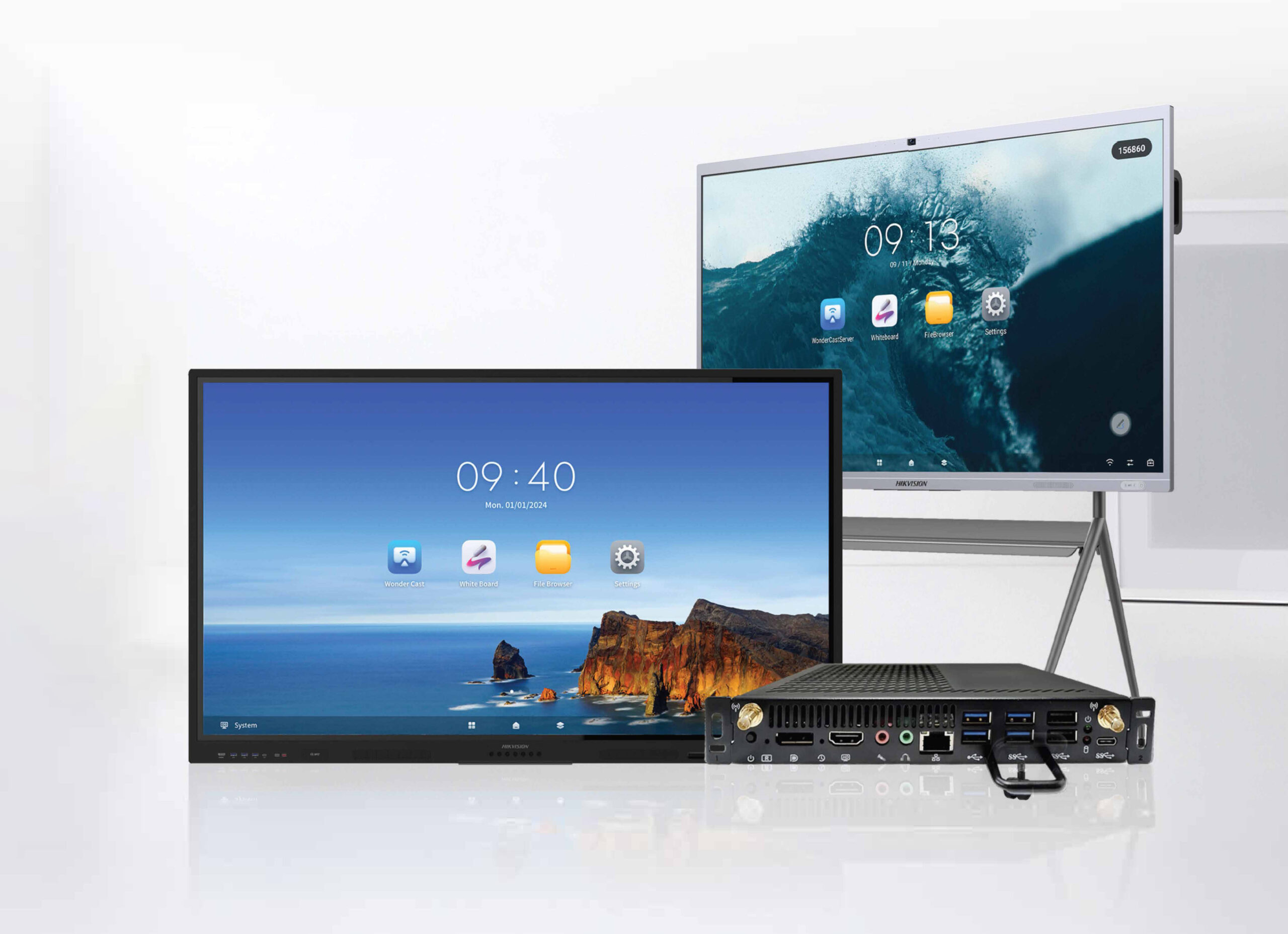
As global sustainability goals continue to gain momentum, a new wave of green innovation is shaping industries worldwide. In the realm of display technology, manufacturers are reconsidering their priorities – not only pursuing exceptional product performance but also embedding environmental commitment into their core strategies. The leading companies are striving for carbon neutrality, utilizing renewable energy, and taking other measures to enhance overall sustainability. Let’s explore some of the latest updates. Green display technologies: From concept to action Though green technology concepts have circulated for many years, their true integration within the commercial display industry has depended on the steady maturity of cutting-edge innovations. Today, leading manufacturers can embed eco-friendly practices into every aspect of their production and operations, gradually reshaping the industry’s sustainability landscape. A key advancement in this transition is the adoption of common cathode architectures in RGB LEDs. This approach allows for more precise voltage distribution and significantly reduces power consumption. Additionally, the implementation of flip-chip Chip-on-Board (COB) technology has revolutionized thermal management in LED displays. By improving heat dissipation and simplifying encapsulation, Hikvision’s LED displays with flipchip CoB can decrease energy usage by up to 45% and lower device temperatures by 5-10°C. Intelligent energy-saving algorithms are also pivotal in minimizing environmental impact. They rely on real-time image analysis to adjust parameters like brightness and contrast, ensuring that energy usage is aligned with visual requirements. These innovations demonstrate that it is possible for high-quality display performance and environmental responsibility to move forward hand in hand. User-centered eye protection Given that we are discussing display products, it’s impossible to overlook their impact on our eyes. Fortunately, innovative technologies now help block harmful blue light wavelengths, offering essential protection during prolonged use. For example, with TÜV Rheinland-certified blue light protection, WonderHub interactive displays reduce digital eye strain, ensuring more comfortable viewing during extended meetings and lessons. Moreover, flicker-free power supply has become an important feature in mitigating visual discomfort. By removing visible flicker, interactive displays can help lessen eye strain and prevent long-term vision issues. With these advances, the display industry is aligning technology with user health considerations. The driving force for green innovation  Seeing through to the essence, achieving sustainability in the display industry certainly depends on responsible manufacturing. Companies like Hikvision are investing in renewable energy – solar, wind, and hydropower – and even generating photovoltaic electricity on-site to actively reduce their carbon footprints. Strict adherence to RoHS, REACH, POPs, and low-halogen requirements ensures that materials entering the supply chain are safer and more environmentally friendly. “A key advancement in this transition is the adoption of common cathode architectures in RGB LEDs. This approach allows for more precise voltage distribution and significantly reduces power consumption. Additionally, the implementation of flip-chip Chip-on-Board (COB) technology has revolutionized thermal management in LED displays” This holistic approach extends to the materials themselves. Hikvision’s 5th generation LED cabinets now feature shells composed of up to 90% recycled aluminum, with packaging cartons made entirely from recycled materials. Reflecting these efforts, Hikvision’s 16 LED display products have become the first in the industry to receive TÜV Rheinland’s Green Product Mark certification. “As global sustainability goals continue to gain momentum, a new wave of green innovation is shaping industries worldwide. In the realm of display technology, manufacturers are reconsidering their priorities – not only pursuing exceptional product performance but also embedding environmental commitment into their core strategies. The leading companies are striving for carbon neutrality, utilizing renewable energy, and taking other measures to enhance overall sustainability. Let’s explore some of the latest updates” For WonderHub, cushioning materials are 100% recyclable, while their protective bags contain high percentages of recycled content. Such measures significantly cut down on waste and guide the industry toward a more circular economic model. Green innovation isn’t just about improving efficiency on the surface – it’s about fundamentally rethinking how materials are chosen, products are assembled, and goods are delivered. By incorporating eco-friendly materials, intelligent energy management, and robust recycling initiatives, we can consistently achieve top-tier performance while minimizing environmental impact.

Read More

CP PLUS Garners Acclaim at Source India – Electronics Supply Chain Summit with Distinguished Visits from Tamil Nadu Ministers & Dignitaries

During the exhibition, CP PLUS showcased its latest Made-in-Bharat surveillance innovations, including advanced IP cameras, video management solutions, and next-generation video analytics technologies. The ministers commended CP PLUS’ efforts in spearheading self-reliant, high-quality security solutions, which are not only elevating India’s technological landscape but also strengthening the nation’s position in the global electronics supply chain. M.A. Johar, President – Strategic Business, CP PLUS, who represented the brand at the summit and participated in a panel discussion on ‘India’s Present Position in the Global Value Chain of Key Sectors,’ expressed his delight at the brand’s reception. Commenting on the occasion, he said, “It is an absolute honor to have our innovations recognized by the esteemed leadership of Tamil Nadu at Source India. At CP PLUS, we are steadfast in our mission to champion indigenous manufacturing and innovation, contributing to India’s journey towards becoming a global electronics manufacturing hub. The interactions at this summit reaffirm the transformative role Indian brands like ours play in shaping the future of the electronics supply chain.” As CP PLUS continues to set new benchmarks in the security and surveillance industry, its participation at Source India serves as a powerful affirmation of the brand’s dedication to driving technological excellence, self-reliance, and India’s global standing in electronics manufacturing.

Read More

Fortinet Expands Its OT Security Platform to Strengthen Protection for Critical Infrastructure

Updates to the industry’s most comprehensive Operational Technology Security Platform include enhanced visibility, segmentation, and secure connectivity Fortinet®, the global cybersecurity player driving the convergence of networking and security, recently announced it has advanced its OT Security Platform to further support the protection of critical infrastructure and industrial sites from evolving cyber threats. New enhancements go beyond traditional OT visibility solutions and include deeper OT-specific threat visibility with the FortiGuard OT Security Service, expanded ruggedized solutions for segmentation and 5G in harsh environments, and an upgraded OT SecOps portfolio for automated threat response and regulatory compliance tracking. “Fortinet has been building an industry-leading OT Security Platform for 20-plus years and remains at the forefront of OT security innovation,” said Nirav Shah, Senior Vice President, Products and Solutions at Fortinet, “As cyberthreats against critical infrastructure and across industries such as energy, transportation, and manufacturing continue to grow, Fortinet remains committed to delivering comprehensive security solutions tailored for operational technology environments. These latest enhancements give organizations the tools they need to improve their OT security posture and adhere to regulatory requirements – all managed through a single, unified platform.” Key enhancements to the Fortinet OT Security Platform The latest Fortinet OT Security Platform updates introduce powerful new capabilities to enhance OT security: The Fortinet OT Security Platform provides unified visibility and security capabilities to manage OT and remote-site security, simplifying and empowering customers’ ability to assess, secure, and report on risk, including complex regulatory compliance requirements. Only Fortinet offers seamless segmentation capabilities and an end-to-end ruggedized portfolio of OT security solutions powered by a single operating system, FortiOS. Deep integration with the Fortinet Security Fabric makes the OT Security Platform the most comprehensive in the industry, providing the most effective, efficient, and holistic offering for OT security and compliance adherence that goes beyond the industry standard. Industry Recognition and Customer Success The Fortinet OT Security Platform is widely trusted by global organizations looking to seamlessly integrate IT and OT security. The company was recognized as the sole leader in the Westlands Advisory 2023 IT/ OT Network Protection Platforms Navigator™, reinforcing its market leadership. “Together, Fortinet and Honeywell help strengthen cybersecurity for critical infrastructure and operational technology environments. As cyberthreats intensify, industrial and commercial buildings operators need integrated end-toend protection more than ever. Our relationship with Fortinet enhances Honeywell’s cybersecurity and ICT offering portfolio providing several strategic advantages in securing and managing risk for remote and on-campus customer sites; as well, reinforcing our commitment with Fortinet. “Honeywell leverages the Fortinet FortiGate and FortiGate Rugged series alongside Honeywell’s OT Cybersecurity portfolio to provide unmatched services capabilities to help reduce risk, enhance resilience, improve compliance, and secure operations from the edge to the enterprise,” Said Manish Goyal, General Manager, Honeywell Connected Cybersecurity. “Management at remote Alleima locations has been very complimentary of the Fortinet infrastructure. Their connections are much faster and more stable, and our response time for their support tickets is around tenfold quicker. Everyone at Alleima is much, much happier with the global network and security infrastructure we now have,” said Chris Lubinski, Network Security Engineer, Alleima “Fortinet has been building an industry-leading OT Security Platform for 20-plus years and remains at the forefront of OT security innovation” Nirav ShahSenior Vice President,Products and Solutions at Fortinet “The increased performance and resilience of the new network, combined with simpler management, reporting, and analytics, has reduced the workload on our security team by at least 15%, which means we now have the bandwidth to move on to the next phases of our digital transformation, things like zero trust, and IT/OT convergence, and given our experience so far, we fully expect to be making these transitions with Fortinet,” said Wolfgang Bitomsky, Ph.D., CIO, FCC Environment CEE. About Fortinet Fortinet is a driving force in the evolution of cybersecurity and the convergence of networking and security. Their mission is to secure people, devices, and data everywhere, and today they deliver cybersecurity everywhere the customers need it with the largest integrated portfolio of over 50 enterprise-grade products. Well over half a million customers trust Fortinet’s solutions, which are among the most deployed, most patented, and most validated in the industry. The Fortinet Training Institute, one of the largest and broadest training programs in the industry, is dedicated to making cybersecurity training and new career opportunities available to everyone. Collaboration with esteemed organizations from both the public and private sectors, including Computer Emergency Response Teams (CERTS), government entities, and academia, is a fundamental aspect of Fortinet’s commitment to enhance cyber resilience globally. FortiGuard Labs, Fortinet’s elite threat intelligence and research organization, develops and utilizes leading-edge machine learning and AI technologies to provide customers with timely and consistently top-rated protection and actionable threat intelligence.

Read More

Rethinking Risk Management – How Centralized Platforms Simplify Cybersecurity

Harikrishna PrabhuCOO, Technobind Solutions As cyber threats evolve at an unprecedented pace, organizations find themselves entangled in a web of fragmented security solutions, each promising protection but collectively creating chaos. From endpoint security and cloud protection to identity access management and compliance tools, the sheer complexity of managing multiple platforms often leaves security teams overwhelmed and vulnerable. This disjointed approach not only increases operational inefficiencies but also widens security gaps – offering adversaries an opportunity to exploit weaknesses. A unified platform can bridge these security silos, transforming risk management from a reactive burden into a proactive, intelligent defense mechanism that simplifies operations, enhances threat response, and fortifies an organization’s cybersecurity posture. The Complexity Conundrum Traditional cybersecurity strategies rely on disparate security solutions, forcing security teams to juggle multiple dashboards, policies, and alerts. This siloed approach creates blind spots, delays incident response, and increases the risk of misconfiguration – often the weakest link in cybersecurity defenses. The Shift to Centralized Risk Management A centralized risk management platform consolidates security functions into a single pane of glass, providing real-time visibility, streamlined workflows, and automated threat intelligence. By integrating risk assessment, compliance tracking, and threat detection into one ecosystem, organizations can proactively manage vulnerabilities before they escalate into breaches. The Benefits: Efficiency, Accuracy, and Compliance As cyber threats grow in sophistication, businesses must transition from reactive defense to proactive risk mitigation. A centralized security platform isn’t just a convenience – it’s a necessity for organizations looking to simplify security operations while fortifying their cyber resilience. By embracing centralized cybersecurity risk management like ESET Protect Platform, enterprises can reduce complexity, cut costs, and ensure a more resilient security posture in an era of relentless cyber threats. ● Holistic Visibility – Security teams can correlate data across endpoints, cloud environments, and networks, reducing the time to detect and respond to threats. ● Automation and AI-Driven Insights – Leveraging AI and machine learning, centralized platforms can identify anomalies, prioritize risks, and automate remediation, reducing human error.● Regulatory Compliance – Organizations can maintain compliance with industry standards (e.g., GDPR, NIST, ISO 27001) by aligning security policies across the enterprise in a structured manner. ESET PROTECT Platform: A Paradigm of Centralized Cyber Risk Management In the quest for streamlined and effective cybersecurity, the ESET PROTECT Platform stands out as a quintessential example of centralized cyber risk management. This cloud-first, AI-native cybersecurity platform integrates a comprehensive suite of tools designed to provide robust protection while simplifying security operations. Key Features of ESET PROTECT Platform ● Unified Security Management: Offers a centralized console that provides real-time visibility and control over all endpoints, facilitating seamless policy enforcement and incident response. ● Advanced Threat Defense: Utilizes proactive, cloudbased defenses to guard against zero-day and never- before-seen threats, ensuring that emerging vulnerabilities are promptly addressed. ● Extended Detection and Response (XDR): Enables comprehensive threat hunting and incident response capabilities, allowing security teams to investigate and remediate sophisticated threats effectively. ● Multi-Factor Authentication (MFA): Ensures that access to organizational data is protected through seamless MFA, enhancing security compliance and reducing unauthorized access risks. ● Vulnerability and Patch Management: Actively tracks and addresses vulnerabilities in operating systems and applications across all endpoints, mitigating potential security threats from unpatched systems. As cyber threats evolve at an unprecedented pace, organizations find themselves entangled in a web of fragmented security solutions, each promising protection but collectively creating chaos. From endpoint security and cloud protection to identity access management and compliance tools, the sheer complexity of managing multiple platforms often leaves security teams overwhelmed and vulnerable In conclusion, the future of cybersecurity lies in simplification without compromise. As businesses continue their digital transformation journeys, embracing a centralized risk management approach is no longer optional—it’s a critical imperative. Platforms like ESET PROTECT exemplify this strategy by unifying security functions, automating threat detection, and providing real-time risk insights. By adopting such comprehensive solutions, organizations can transition from fragmented defenses to a streamlined, proactive security posture, effectively mitigating cyber risks while freeing up valuable resources to focus on innovation and growth. About TechnoBind TechnoBind is the first Specialist Distributor in the Indian IT channels space offering a hybrid distribution model placed synergistically between broad-based and niche distribution, to deliver high business value for its reseller partners. TechnoBind helps partners to implement solutions, which solve specific business pain points arising out of the rapidly changing facets of technology for businesses. TechnoBind’s sole focus is to help enterprises manage and make the most of their most precious asset which is data. The portfolio of thirty cutting-edge brands spanning Access, Management, Security, Infrastructure and Cloud enables TechnoBind to uniquely address data management. Read More

Read More

Law and Order: How Employees Benefit from Being Monitored?

Sergio BertoniLeading Analyst atSearchInform 71% of small and medium-sized businesses experienced attempts by employees to leak data, SearchInform research states. However, employees often leak data accidentally and without any malicious intent, for example, because of negligence or cyber illiteracy. Today, establishing control over employees’ actions with data is a common practice, but it is impossible to ensure without specialized software – DLP systems, which have become a basic tool for protecting companies against data breaches caused by insiders. DLP systems are also used to avoid data misuse, improve the level of work discipline, and retain valuable staff. Control within the Law The employer has the legal right to control employees to protect sensitive information such as personal data, banking and commercial secrets, data collected by state information systems, and data in industrial control systems at critical infrastructure facilities. For example, an employer is responsible for keeping passport scans and other documents of employees, the company’s partners, and clients’ data safe as well. This is enshrined in the laws of many countries, as well as in international legislation such as GDPR. However, personnel must be informed that the organization where they are employed is using an automated monitoring system (like DLP). The fact that an organization uses specialized software for employee control must be documented in corporate policies. Employees, in their turn, should be informed about what the protective system is used for, and sign a consent for their activity to be monitored. For the employer it is necessary to draw up an additional agreement to the employment contract and outline all the tasks of using the system which could be the following: ● Oversee employees’ compliance with job descriptions and internal labour regulations; ● Control the appropriate use of the company’s information resources and technical means to fulfill job duties; ● Ensure protection of commercial, trade, official, and other secrets as required by national and international regulations. The DLP systems are also deployed to maintain discipline and evaluate staff productivity. In case of such system implementation in corporate IT infrastructure, the employer should take measures to avoid conflicts and misunderstandings between the team and management. Introducing corporate regulations on working with information will help solve this task. Besides, a separate policy on how documents need to be stored, and whether it is permitted to use clouds and personal email to communicate work-related tasks and other questions is a must. This way employees will understand what is allowed to do at work and what is prohibited for them. For example, an employer may not allow an employee to use a corporate PC for non-work related activity on social networks, storing personal photos etc. What are the benefits of being monitored? The issue is that employees often interpret various monitoring systems as excessive control and distrust. In this case, it is crucial to communicate to the team the advantages employees receive from being monitored by protective software. Providing employees with real life cases will help in this regard. The first case from SearchInform practice proves that DLP systems help employees avoid being accused of a crime they never committed: ● The security department specialists found on the employee’s corporate PC confidential data that he did not have access to. Investigation revealed that the remote access tools were regularly run on his computer, however, the employee hadn’t noticed it. It turned out that the network administrator temporarily stored confidential data on the ‘victim’s’ PC before transferring it to third parties. Thus, the DLP system helped identify the real intruder and save the honest employee from being dismissed. 71% of small and medium- sized businesses experienced attempts by employees to leak data, SearchInform research states. However, employees often leak data accidentally and without any malicious intent, for example, because of negligence or cyber illiteracy. If our client did not have a DLP system, it would have been very difficult for the guiltless worker to avoid suspicion and prove that he was not involved in the data leak. Unfortunately, such cases are not uncommon. In this way, modern control systems help to avoid situations when staff members need to justify themselves. In some organizations where DLP is not implemented, in the same cases, the employees may be required to undergo polygraphs or other stressful procedures. DLP at employees’ service There are major ways, how DLP system brings important benefits to the employees. Firstly, the DLP system reduces the risk of accidental data leakage, which could lead to sanctions against the employee. The system is equipped with proactive blocking functionality, which is fine-tuned by an Information Security specialist. The feature reduces the chances of confidential documents intentionally or unintentionally leaving the company’s information perimeter. DLP also notifies the user (InfoSec specialist or another professional in charge) about suspicious employee activity. In addition, DLP systems can be equipped with the open mode of operation that empowers the user not to commit dangerous actions with the help of special notifications. It is also possible to customise alerts about dangerous actions or enable the user interface – a visible window on the taskbar so that personnel can communicate freely with the InfoSec professionals. ● Case: The employee of the research institute was preparing documentation containing data from clinical trials of the drug. Out of habit, he sent the documents for review to a former manager, who at the time was already working for a competitor. The incident that occurred by mistake severely damaged the reputation of the institute. However, it could have been avoided if the DLP was deployed. Secondly, DLP ensures confidence that all incidents will be investigated objectively and thoroughly. This applies not only to prevent false accusations but also to verifying complaints from employees about arbitrary behavior by the company’s top management. ● Case: One of our clients, a retail company deployed a DLP system. Then, a suspicious email to the CFO from one of the dismissed employees was found. Ex-worker accused the CFO of taking full advantage of the CEO’s trust to fire valuable…

Read More

Consistent Info systems Launches New 2MP Wi-Fi Smart Dual Light Camera – The Perfect Blend of Security and Convenience

Consistent Infosystems better known as Consistent, one of India’s fastest-growing IT & Surveillance brands has unveiled its latest innovation in smart home security – the 2MP Wi-Fi Smart Dual Light Camera. The new camera offers seamless monitoring via mobile and PC software, ensuring that users can stay connected to their premises anytime, anywhere. Its pre-recorded voice alarm acts as a deterrent for potential intruders, while the 355° horizontal rotation and 110° vertical tilt provide comprehensive coverage of your surroundings. Additionally, the 6 preset points for location tracking ensure quick and easy navigation to key areas. With smart human and motion detection coupled with mobile notifications, the camera ensures real-time alerts for enhanced security. Its integration with Alexa adds a layer of convenience, enabling voice-controlled operations for tech-savvy users. The device supports a Micro SD card for local storage and features an impressive 10x digital zoom, making it a powerful tool for both residential and commercial surveillance needs. The built-in microphone and speaker enable two-way audio intercom, allowing users to communicate directly through the camera. Delivering high-definition clarity at HD (1280×1080) 2MP, the camera is equipped with 3D digital noise reduction for superior image quality. Furthermore, its three night vision modes and four privacy zones provide flexibility for nighttime monitoring and safeguarding private spaces. Compact and lightweight with dimensions of 108x69x69mm3 and a gross weight of 245gms, the camera is designed for easy installation and portability. With the launch of our 2MP Wi-Fi Smart Dual Light Camera, we aim to bring advanced surveillance technology to every home and business. This product embodies our commitment to innovation, affordability, and user-centric solutions for enhancing security and peace of mind The 2MP Wi-Fi Smart Dual Light Camera is now available through Consistent’s extensive dealer network and e-commerce platforms, ready to empower users with stateof- the-art security technology at an unbeatable price point. Consistent Infosystems is a leading provider of IT hardware products, Security & Surveillance products, Print consumables products, and Electronics & Home entertainment products in India. It started its glorious journey back in the year 2011 from the Capital city of India, New Delhi. Since the venture started, CONSISTENT Infosystems has become one of the fastest-growing Indian IT organizations in the era of technology and has already put its remarkable footprints in the Information Technology, Electronics & Home Entertainment industries. Recently, CONSISTENT has been recognized as the “Fastest Growing Indian CCTV Brand 2024 & Most Innovative Design Gaming Cabinet 2024” by Digital Terminal. CONSISTENT Infosystems has grown successfully over the years and has increased its footprint across all major states in India. Today the company has 24+ branches, a portfolio of 400+ products, 100+ Service centers, 300+ direct employees, exports to 9+ countries, more than 3500+ channel partners PAN India and more than 5 Crore+ Happy Customers. Quality and Service are the only modus operandi for CONSISTENT and with these parameters in sync, the brand has defined the working ethics of the organization nationally as well as on a global level. Read More

Read More

Canon Celebrates the Transformative Journey of Parivali Village Under its ‘Adopt A Village’ Initiative

Notable developments witnessed in the village across the four areas of Education, Eye Care, Environment and Empowerment along with infrastructure improvements Reinforcing its dedication to community development, Canon India marked four years of its adoption of Parivali Village, Bhiwandi, Maharashtra, the seventh village under its ‘Adopt a Village’ initiative. The celebrations were kicked off by Toshiaki Nomura, President & CEO, Canon India, who inaugurated the newly constructed rainwater harvesting facility & recharge pit to address the foreseeable issue of declining water levels in the regions of Maharashtra. Furthermore, these sustainable, cost-effective and eco-friendly solutions will meet the demands of water required by the school for toilet facilities, cleaning the school premises and ensuring watering of the plantation. With a larger aim of providing quality education, as a part of its 4Es policy, Canon India has facilitated enrolment of total 594 students through its focused initiatives at the Resource Centre and Computer Classes. Notably, the school was twice recognised by Maharashtra Chief Minister’s ‘My School, Beautiful School’ campaign for overall development. Further strengthening the local infrastructure, Canon has made significant contributions to the establishment of drinking water stations, construction of toilets for boys and girls, and setting-up of a functional library. Additionally, 354 students have benefitted from skill-based training programs aimed at improving employability and self-reliance. Through the establishment of the ‘Vision Centre,’ the facility has provided over 4174 community people with timely eye camps and check-ups. Subsequently, fostering efforts towards a healthy environment, a total of 1685 trees have been planted, and further with the support of the village residents has conducted regular cleanliness drives. Speaking on the four year journey with Parivali Village, Toshiaki Nomura, President & CEO, Canon India said, “At Canon, holistic development of the villages is at the core of our flagship project ‘Adopt a Village,’ which is paramount for a self- sustained nation. The remarkable progress of Parivali Village over the past four years stands as a powerful reminder of the difference we can make through our collective efforts. By providing the village with essential resources and imparting critical skills, we have not only empowered a community but also deepened our commitment to sustainable progress. The positive changes witnessed in Parivali have deeply inspired me, and strengthened our resolve to shape a better future, fostering growth and ensuring brighter opportunities for them.” Along with ‘Adopt a Village’ project, the organization also launched the Skill Development and Livelihood programme last year in alignment with the Skill India mission. The project demonstrates Canon India’s commitment to contributing to Indian society by uplifting youth aged 18-25 years, living in urban slums by preparing them for seamless placement in customer-centric, grey-collar jobs, ensuring a pathway to stable and meaningful employment. As a significant impact, the program has enrolled 541 youth so far with 234 youth placed in jobs doubling their family income. Since the launch of the ‘Adopt a Village’ initiative in 2012, Canon India has been undertaking the overall development of villages across India for a certain period. The initiative has brought a widespread impact in the last decade through its 4Es CSR policy as well as infrastructural development, in the adopted villages. At present, Canon India has a total of 9 adopted villages which includes Nandrampur Bass in Haryana, Parivali in Maharashtra, Annadodi in Karnataka, and Kalyanpur in Kolkata. About Canon’s corporate philosophy ‘Kyosei’ Canon India’s CSR endeavors are driven by their corporate philosophy of ‘Kyosei,’ which indicates the ‘spirit of living and working together for the common good,’ which is considered foremost in the organization’s way of working and day-to-day operations. However, their definition of the word is much broader and encompasses, “All people-regardless of their race, religion or culture, harmoniously living and working together for the common good.” Moving forward with this philosophy, they believe in standing in unison when it comes to their commitment to the community and strive to make a positive impact in the society and the environment. The organization is involved in various community welfare programs aligned with their 4Es CSR policy implying Education, Eye Care, Environment and Empowerment, to build progressive self-reliant communities. Toshiaki Nomura, President & CEO, Canon India interacts with the childrenof Parivali Village, Maharashtra, seventh village under Canon India’s‘Adopt a Village’ initiative. About Canon India Canon India Pvt. Ltd. is the sales and marketing subsidiary of Canon Inc., a world leader in imaging technologies. Having started its operations in 1997, Canon India markets a comprehensive range of sophisticated contemporary digital imaging products and solutions in India. The company today has offices in 10 cities across India with merchandise warehousing facilities at 4 location and employs over 1000 staff and over 850 channel partners. Canon India enjoys a vast retail presence across the country through Image Square stores, PIXMA Zones, and BIS Lounges. Canon India’s service reach extends to over 632 towns covering 19,118 PIN codes across India – which comprises of 349+ Camera collection points, 15 Camera repair centres, 320+ Printer repair centres, 183 Copier, Scanner and 120 Large Format Printer Sales & Service dealers. (Updated as of Jan 2025) In sync with its corporate tagline- ‘Delighting You Always’, reinforced by World-class technology, Canon offers an extended product portfolio, including Digital Production Printers, Large Format Printers, Commercial Printers, Multi- Functional Devices, Managed Document Services, Inkjet & Laser Printers, Document and Cheque Scanners, Digital Cameras, DSLRs, Mirrorless cameras, Cinematic Imaging Products and Surveillance cameras catering to the multiple market segments of consumer, SME, B2B, Commercial, Government & PSUs. Read More

Read More

eSentire and Qylis Form Strategic Partnership to Deliver Compliant Cybersecurity Solutions in India

Qylis, a leading innovator in Data, AI & Cybersecurity, has partnered with eSentire, a leading global player in Managed Detection and Response (MDR), to introduce Qylis S365, a locally hosted and governed cybersecurity solution powered by eSentire’s Atlas XDR platform. Designed to strengthen India’s cyber resilience, Qylis S365 ensures compliance with data sovereignty laws and aligns with the Reserve Bank of India (RBI) & the Securities and Exchange Board of India’s (SEBI) Cyber Resilience Framework. This initiative aims to protect Indian industries and government entities against evolving cyber threats, delivering best-in-class threat detection, response and compliance capabilities. Qylis S365, powered by eSentire Atlas XDR, will empower organizations to detect, prevent and mitigate cyber threats in real-time, all while maintaining full data governance within India. Qylis S365: Enterprise-Grade Cyber Resilience Powered by eSentire’s Agentic AI and Atlas XDR platform, Qylis S365 offers unmatched threat detection, rapid incident response, and regulatory compliance, ensuring enterprises neutralize threats before they escalate. Key benefits: ● Real-Time Threat Response: AI-driven investigations with 3M+ active threat responses daily. ● Seamless Integration: Supports 300+ security tools, eliminating 80% of manual workload. ● Regulatory Compliance: 100% alignment with SEBI’s Cybersecurity Framework. ● Data Sovereignty Assurance: Fully India-based cloud-native platform, compliant with local regulations. Executive Insights Sivaram Gutta, MD & Co-founder, Qylis said, “I’m thrilled to announce Qylis’ Exclusive Strategic Alliance with eSentire, the global Authority in MDR. With AI-driven threats surging, businesses need more than alerts – they need real-time, AI-powered defence. Qylis S365 ensures 15x faster threat containment, at 40% lower cost, while maintaining compliance.” Kishore Uppalapati, CEO & Co-founder, Qylis commented, “Our exclusive partnership with eSentire reinforces Qylis’ commitment to delivering world-class cybersecurity solutions to businesses of all sizes. With Qylis S365, powered by eSentire Atlas XDR, we are offering our customers a cutting-edge, AI-powered defence mechanism that ensures continuous protection against cyberthreats.” Dustin Hillard, CTO, eSentire added, “Qylis’ commitment to excellence and customer success makes them the ideal partner to build this exclusive relationship within India. eSentire’s Agentic AI capabilities deliver Qylis customers security outcomes, powered by decades of eSentire security expertise. This strategic partnership not only meets regional and industry-specific compliance mandates, but ensures Indian enterprises are able to build cyber resilience and prevent their businesses from ever being disrupted.” Kerry Bailey, CEO, eSentire said, “At eSentire we talk about taking customer security outcomes to the next level. This partnership with Qylis is all about taking our Atlas XDR platform and our business to the next level, with the introduction of the Atlas Nexus Network. As the leader in SaaS SecOps we are expanding how we empower service providers and system integrators, by leveraging our intellectual property, unique threat intelligence and expertise in agentic investigations to scale cybersecurity protection for organisations globally.” Read More

Read More

AI & ML in Security & Surveillance

By Milind BorkarMD, Systematica Suyog Security Consultants(Sr. Consultant & Security Expert) Surveillance and Security in the traditional sense is now moving forward in leaps and bounds. Gone are the days of CCTV using analog cameras that are being replaced by digital cameras that enable video analytics to be performed on an incoming digital stream. Also, between year 2005 and year 2010 there was a massive push to standardize the interface between the camera and the software that talks to it over an ethernet cable. This standard is ONVIF (Open Network Video Interface). Though many camera manufactures claim ONVIF compliance one must check the following link prepared by onvif.org – https://www.onvif.org/conformant-products/. This development disrupted the stranglehold of camera manufactures with their partners and allowed many other players to enter the market as proprietary protocols were no longer required. Most of the terabytes of stored video is useless as it does not carry any useful information. Manual searches need to be conducted to find the relevant information one is looking for. This turns out to be a time-consuming process and by the time information is found it might be out of date. This is where Video Analytics can help to some degree by looking for only relevant information thereby saving time and resources. Even though Video Analytics saves a considerable amount of time, it still does not avoid the manual process involved in looking at video instead of data. Here is where Artificial Intelligence (AI) and Machine Learning come in. AI/ (neural networks) builds a model based on a few initial parameters that are input by the user. Without getting into the details, it quickly builds a neural network and tells you the confidence level of each object found in the video frame. This is a highly mathematical process involving convolution, calculus, probability and statistics. Based on the confidence level of each object found in the frame, one can fine tune the neural network by changing the input parameters. This fine tuning is called Machine Learning by which the neural network gives confidence levels above 95% for each object found. We have done this in our product where object confidence levels went from as low as 60% to as high as 98%. One can now put the neural network in training mode telling it what the target end result the user wants. The machine then self learns by varying the hundreds of input parameters till the end target is met. At this stage the model is what the user was expecting and he now continues to use this highly accurate model to build his or her applications to solve problems specific to their market vertical. So, what AI/ ML has done is that video examination is no longer required but extracted data from the video stream is examined. This is a far more intelligent way of examining video streams and far more efficient allowing the end user to build multiple intelligent applications on top of this. This is the WAVE of the future as multiple PETABYTES of data cannot be examined after the fact. With the number of cameras increasing exponentially all across the globe, the best way to process video is on the fly in real time as it saves time, money and resources across the board. However, for a particular use case some time and money have to be invested to fine tune the neural network model. Once this process and methodology is mastered, one can use it for other use cases. In our case, some of our models took up to 30 minutes to bring up the confidence level above 95%, while in other cases it has taken up to a week. Factors that affect this training period are following: (a) Lighting, (b) Number of objects in the frame, and (c) Complexity of the shape of the object. Diagram describing our Object Classification Engine We will now describe a couple of used cases to make this clear: Used case 1: Implementing Standard Operating Procedure (SOP) Suppose a SOP is defined for a drug testing methodology in a pharmaceutical laboratory. Requirements are as follows: ● Capture and time stamp when an employee enters and exits the laboratory. ● Measure procedure when the drug testing starts. ● Identify colored flasks and test tubes and their movement from one step to the next.● Identify microscopes and other medical instruments used in measurement and how they are being used. ● Flag any deviation from SOP and report to administrators. As one can see, one can use identifying objects in the video stream and determine whether the SOP is being followed. This can be used by the laboratory management team to improve overall efficiency of the laboratory and its’ employee performance without looking at video streams. A snapshot of our current Object Classification Engine for illustrative purposes Used Case 2: Measuring queue lengths at bank counters, airport check in lines, hospitals etc. ● Determine queue lengths to determine arrival and service rates. ● Queue lengths will increase if service time is greater than person arrival time. ● Flag these so the service efficiency can be improved. Summary The neural network model has over 25 million pre-defined objects in the database. These have been developed using artificial intelligence techniques. In a typical end user case, a very small subset of these 25 million predefined objects is required. New objects are continuously being added to the database. The model also allows itself to be put in training mode based on what the end user really wants Our Object Classification Engine takes advantage of this and provides interfaces so that end user case applications can be developed rapidly and be put to use. We provide extracted data, interface to the ML neural network model as well as we provide application development services for the customer. Read More

Read More

How Much for That VMS

Its Total Cost of Ownership May Surprise You! By Gaurav TaywadeDirector, India Operation, Vicon On-premise enterprise video management systems (VMS) can be a huge investment – one of the priciest elements of a company’s physical security technology infrastructure. They’re also one of the most critical. Without eyes on a property, there’s no way to ensure that other systems are doing their job. Since the pandemic, spending on VMS solutions has continued to rise. Commercial office space vacancies are high, hybrid and remote work models have businesses operating with far fewer onsite workers, crime is up, and security guards are in short supply. Building and security managers are determining that existing cameras provide insufficient coverage under these new conditions, and are therefore seeking to expand their systems. Quickly evolving technology is complicating matters, making legacy VMSs obsolete. Companies unable to leverage the latest generation of cameras, analytics, and integration opportunities are deciding that it’s time to upgrade to a new platform rather than continue to throw money into a substandard solution. After 5-10 years, the actual cost of one system may be as much as 50% lower than another As stakeholders wrestle with how to upgrade or replace their VMS network, performance and operational needs take top priority. However, once specifications are agreed upon, and various manufacturers have been identified that meet a project’s requirements, price can become the deciding factor. Unlike the straightforward comparison of technical specs between offerings, calculating and comparing the total cost of system ownership is much more elusive. The total-cost-of-ownership (TCO) is affected by many factors – some of which come as an unwelcome surprise to system owners after their VMS is up and running. At that point, it’s too late to reevaluate the wisdom of their investment. There is no magic formula for estimating TCO. Manufacturers structure their licensing, warranties, upgrades, maintenance, training, and other policies in different ways, and their promotional materials rarely spell out these distinctions. After 5-10 years, the actual cost of one system may be as much as 50% lower than another. To accurately evaluate TCO, decision-makers must know where to look for hidden expenses and the right questions to ask. We hope this whitepaper helps readers do just that. Device Licensing Practices are Sometimes Tricky Licenses are part of any on-premise VMS solution. The licensing model makes systems scalable; users pay more for larger deployments. In enterprise systems with hundreds or thousands of cameras, licensing represents a significant expense. That said, there is tremendous variation in how much licensing will cost a company throughout its VMS’s lifespan. The price-per-license differs by manufacturer, but that is only part of the story. Some manufacturers require a license for each camera. Others charge licensing fees for servers, workstations, storage, and edge devices. Licensing tied to NVRs and servers can pack a disproportionate financial wallop – especially when NVR licenses are calculated based on the number of streams supported. For example, let’s take one 12MP camera that features triple-streaming. With NVR licensing, the camera requires three licenses if all three streams are used, even if the same NVR records all three. Recording redundancy doubles the price. With two servers recording each of the three camera streams, that single camera represents six licenses! By contrast, a camera-only licensing model would require one license for this device, period. Consider how this policy substantially impacts a network with hundreds of cameras. When NVRs are licensed, adding or upgrading cameras also becomes more expensive. Let’s say a customer wishes to replace several 1MP cameras with 5MP models. The 5MP devices will impose more demand on the server. VMS systems may be infinitely scalable, but individual NVRs or servers have their limits. Adding new cameras, or replacing existing ones with higher resolution models, can result in the need for more network hardware. Once again, paying per camera – and only per camera – keeps TCO in check as systems grow. By contrast, when VMS software is free and licensing is only required for cameras, the options for keeping systems current remain uncomplicated and less expensive However, even with camera-only licensing models, there are still ‘buyer beware’ issues to consider. Some manufacturers link each license to the MAC address of a specific camera, making the license non-transferable. Limiting software in this manner is an antiquated approach that takes advantage of the user. When hardware needs to be replaced, there’s no reason the software license should need replacing too. Imagine if your laptop died and Microsoft said you must buy all new software rather than transfer your licenses to the new device. You would be irate. Finally, some manufacturers charge premium licensing fees, per device, to access certain VMS features. A camera’s specifications may indicate it “can do” certain things, but it’s possible that they are not included with a basic license. When calculating a system’s TCO, make sure you understand what your licenses include and what they don’t! Keeping Current is Critical; It Shouldn’t Be Costly Like any software, VMS platforms are constantly improving. The DevOps process used by many software development teams, with its focus on continuous feedback, collaboration, and communication, has accelerated the speed and frequency with which updates are released. Unlike business software for sales or marketing – for which new releases may be helpful but unnecessary – security software provides a mission-critical function. It should be kept current at all costs. How VMS manufacturers charge for updates affects TCO. Some updates, like those addressing bugs and vulnerabilities, may be free, but others come with a fee. Before purchasing a system, prospective owners should understand what to expect. Are upgrades mandatory? How frequently do they typically happen? Are upgrade protection plans available? How is the price calculated? Even if manufacturers do not mandate upgrades, they may ultimately discontinue support of earlier software versions, rendering the NVRs and servers running them obsolete unless the customer invests in an enterprise-wide software upgrade and relicensing. Without a systemwide update, the system owners cannot even add a single new camera….

Read More