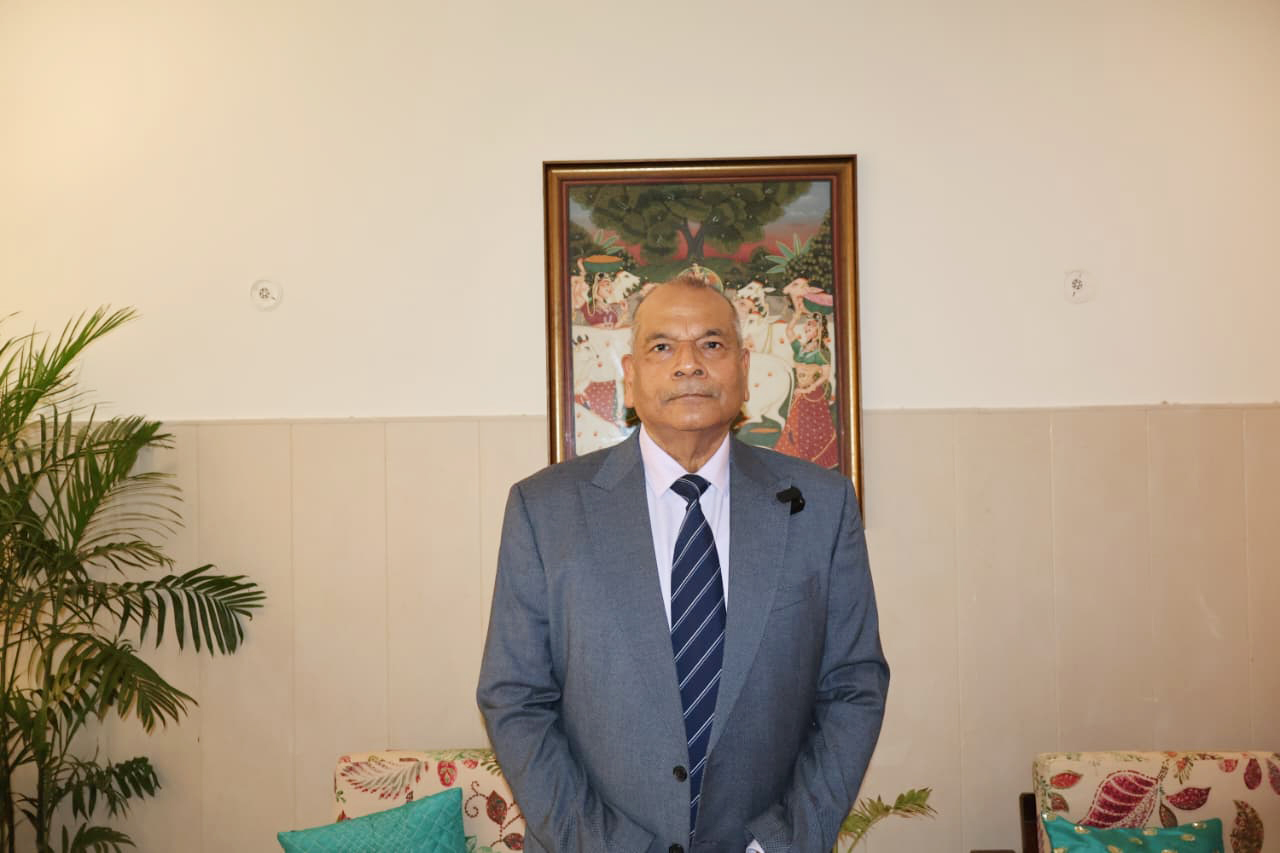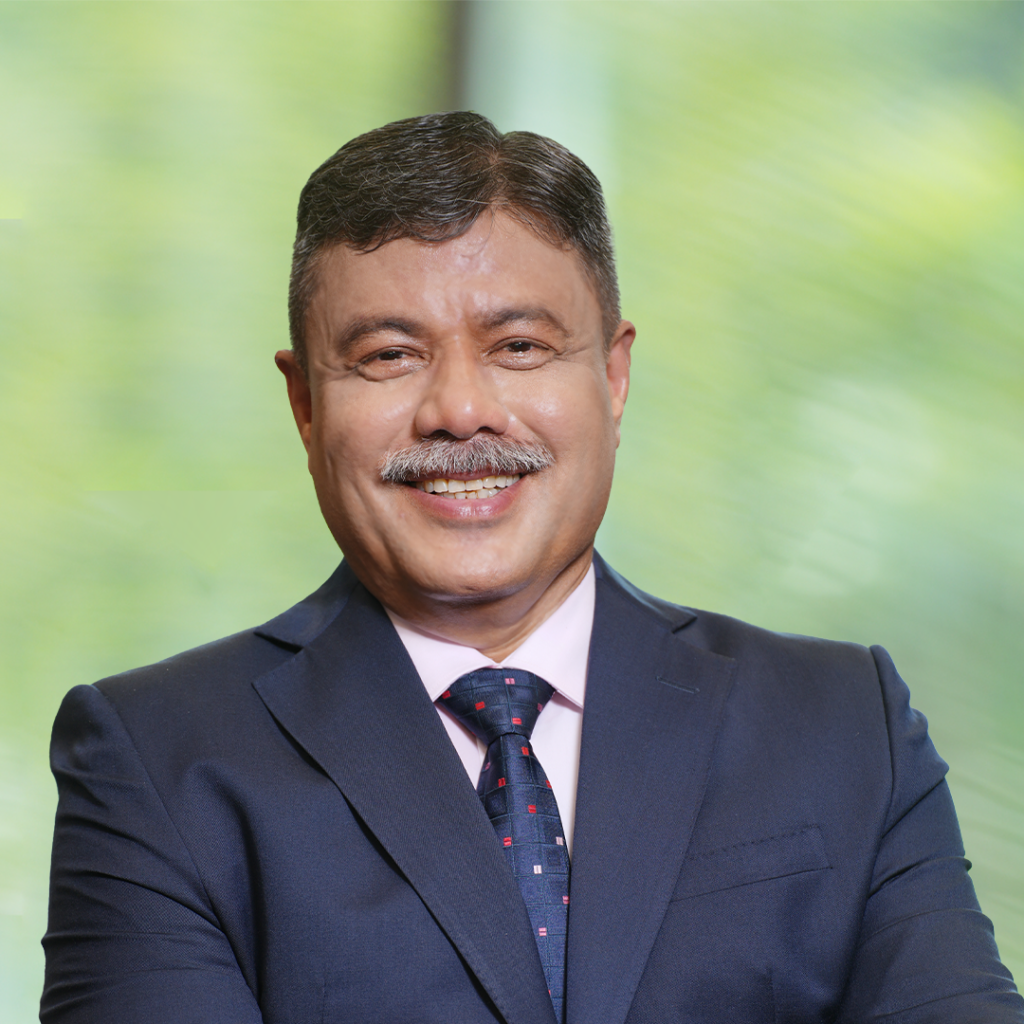
Rajeev Sharma
Cluster Managing Director, India, Nepal & Bangladesh, G4S
As India’s security landscape undergoes a rapid transformation driven by technology, infrastructure expansion, compliance requirements, and evolving threat perceptions, the role of private security is no longer confined to traditional guarding services. Today, organisations are increasingly looking for integrated, intelligence-led, and technology-enabled security frameworks capable of ensuring resilience, operational continuity, and proactive risk management.
At the forefront of this transformation is G4S India, one of the country’s leading integrated security solutions providers. Under the leadership of Rajeev Sharma, CMD, G4S India, Nepal, and Bangladesh, the organisation has been steadily strengthening its position through a balanced ‘phygital’ approach that combines trained manpower with AI-enabled surveillance, remote monitoring, command centres, analytics, and digital workforce platforms.
A seasoned industry leader known for his operational depth, strategic clarity, and people-centric leadership style, Rajeev Sharma has played a significant role in steering G4S India through a period marked by rapid technological disruption, rising compliance expectations, workforce challenges, and increasing demand for integrated security solutions. As part of Allied Universal®, one of the World’s largest services company, G4S India continues to align global best practices with India’s evolving security ecosystem while focusing on innovation, operational excellence, and long-term value creation.
In this exclusive interaction with SecurityLinkIndia, Rajeev Sharma shares his perspectives on the future of security, industry sustainability, AI-led transformation, workforce professionalisation, client awareness, and the growing convergence of human expertise and digital intelligence in modern security operations. Here are the excerpts:
Can you please throw some light on the recent business developments and activities of G4S in India and abroad?
G4S continues to strengthen its integrated security capabilities across sectors such as infrastructure, manufacturing, BFSI, aviation, logistics, healthcare, and critical infrastructure. In India, we are increasingly focusing on technology-enabled solutions including AI-led surveillance, remote monitoring, command centres, and digital workforce platforms.
As part of Allied Universal®, we also benefit from global best practices, stronger governance frameworks, and access to advanced security technologies. Our recent recognition at the OSPAs 2025 reflects our continued focus on operational excellence, innovation, and people-led growth.
As a leader of one of the world’s largest security organisations, what are the top three shifts that have fundamentally changed how security services are delivered today?
The first shift is the move from reactive security to predictive and preventive security. The second is the convergence of physical and digital security as infrastructure becomes increasingly connected. The third is the rise of hybrid security models where technology enhances human capability rather than replacing it.
Today, security is far more intelligence-led, integrated, and technology-enabled than ever before.
A seasoned industry leader known for his operational depth, strategic clarity, and people-centric leadership style, Rajeev Sharma has played a significant role in steering G4S India through a period marked by rapid technological disruption, rising compliance expectations, workforce challenges, and increasing demand for integrated security solutions. With the backing of Allied Universal®, G4S India continues to align global best practices with India’s evolving security ecosystem while focusing on innovation, operational excellence, and long-term
value creation
The global security industry has faced margin pressures, rising manpower costs, and pricing competition – how has G4S India navigated these realities?
The industry is certainly witnessing increasing cost pressures and evolving client expectations. Our approach has been to focus on operational efficiency, compliance, training, and technology integration rather than competing only on pricing.
By adopting a balanced ‘phygital’ model, where technology complements manpower, we are able to improve productivity while continuing to deliver high service standards.
What have been the key operational or financial challenges faced by G4S India in the last couple of years, and what lessons have emerged from them?
The past few years have reinforced the importance of agility, resilience, and adaptability. Rising labour costs, rapid technological changes, compliance expectations, and workforce management continue to be key industry challenges.
One major learning has been that investment in technology and workforce professionalisation is no longer optional it is essential for long-term sustainability and service excellence.
Over the recent years, the Indian security industry has moved from manpower-led to intelligence-led models. How do you interpret this transition and competence of G4S in the situation?
This transition reflects the changing nature of risks and client expectations. Security today is no longer only about physical presence; it is about visibility, intelligence, and proactive risk management.
At G4S, we combine trained manpower with AI-enabled surveillance, remote monitoring, analytics, and command centres to deliver more integrated and responsive security solutions.
G4S continues to strengthen its integrated security capabilities across sectors such as infrastructure, manufacturing, BFSI, aviation, logistics, healthcare, and critical infrastructure. In India, we are increasingly focusing on technology-enabled solutions including AI-led surveillance, remote monitoring, command centres, and digital workforce platforms
In a market where pricing undercuts quality, how do you maintain service excellence without diluting value?
Security cannot be viewed purely as a cost-driven service because the cost of inadequate security is often far greater.
Our focus remains on delivering long-term value through trained personnel, strong compliance, operational discipline, and technology-led efficiency. We believe service quality and client trust are built through consistency and reliability.
How has your leadership approach evolved in response to this multi-dimensional disruption – technology, compliance, and client expectations?
Leadership today requires adaptability and continuous learning. The industry is evolving rapidly, and leaders must remain open to innovation while staying grounded in operational discipline and people development.
I strongly believe in empowering teams, encouraging collaboration, and building a culture that embraces both accountability and transformation.
G4S India has consciously moved toward a technology-led ‘phygital’ model – what triggered this shift, and how far along are you in this journey?
The shift was driven by the growing complexity of risks and the need for faster, more intelligent security solutions. Clients today expect real-time visibility, proactive monitoring, and integrated risk management.
Our journey is well underway, with increased adoption of AI-enabled surveillance, remote monitoring centres, digital reporting systems, and integrated command platforms across operations.
The first shift is the move from reactive security to predictive and preventive security. The second is the convergence of physical and digital security as infrastructure becomes increasingly connected. The third is the rise of hybrid security models where technology enhances human capability rather than replacing it
Initiatives like remote monitoring centres and digital workforce platforms have redefined operations – what measurable impact have they delivered?
These initiatives have significantly improved operational visibility, reporting efficiency, response coordination, and workforce management.
Centralised monitoring and digital platforms have enabled faster decision-making, stronger compliance tracking, and more proactive security management across multiple locations.
How has the integration with Allied Universal influenced your capabilities, governance, and global best practices in India?
Being part of Allied Universal® has strengthened our access to global expertise, governance frameworks, operational best practices, and advanced technologies.
It has further enhanced our ability to deliver integrated and scalable security solutions while maintaining high standards of compliance and operational excellence.
Technology today enables organisations to move from reactive response to predictive risk management.
At G4S, we are integrating AI-enabled surveillance, IoT-based monitoring, analytics, and command centres to improve situational awareness, strengthen response capabilities, and identify risks at an early stage.
Despite growth, many companies are witnessing pressure on profitability – how do you balance scale with sustainable margins?
Sustainable growth comes from operational discipline, efficiency, and long-term client partnerships.
We continue to focus on technology integration, process optimisation, workforce productivity, and value-led service delivery to maintain a balanced and sustainable growth model.
AI, analytics, IOT, and command centres are rapidly gaining ground – how is G4S India leveraging these to deliver predictive and preventive security?
Technology today enables organisations to move from reactive response to predictive risk management.
At G4S, we are integrating AI-enabled surveillance, IoT-based monitoring, analytics, and command centres to improve situational awareness, strengthen response capabilities, and identify risks at an early stage.
How do you see the balance evolving between human intelligence and machine intelligence in security delivery?
The future of security lies in collaboration between human expertise and technology. Machines can improve speed, visibility, and data analysis, but human judgment and decision-making remain critical.
The most effective security models will continue to be those where technology enhances human capability.
Which sectors are driving demand today for you – data centres, infrastructure, logistics, BFSI, manufacturing, or else?
Demand is growing strongly across infrastructure, manufacturing, logistics, BFSI, aviation, healthcare, and critical infrastructure sectors.
India’s rapid urbanisation, infrastructure growth, and digital transformation are creating increased demand for integrated and technology-enabled security solutions.
With India’s infrastructure push, what role can private security play in national resilience and public safety frameworks? Where does G4S stand?
Private security has an increasingly important role to play in supporting operational continuity, public safety, and infrastructure resilience. As India continues to expand its infrastructure ecosystem, the need for integrated and technology-enabled security frameworks will only grow stronger.
At G4S, our role goes beyond guarding. We support clients through integrated solutions that combine manpower, surveillance, command centres, access control, and risk management capabilities to help create safer and more resilient operating environments.
The industry employs lakhs of personnel – what are the biggest challenges today – attrition, skilling, or compliance?
All three remain important challenges for the industry. As security becomes more technology-driven, continuous skilling and workforce development are becoming increasingly critical.
At the same time, compliance, employee welfare, and professional training remain essential for building a more credible and future-ready industry ecosystem.
How is G4S investing in training, technology adoption, and workforce professionalisation?
We continue to invest significantly in workforce training, operational standardisation, and technology adoption. Our teams are trained not only in security operations but also in digital tools, surveillance systems, compliance protocols, and incident management.
The objective is to build a skilled, technology-enabled, and future-ready workforce capable of addressing evolving security challenges with professionalism and efficiency.
Do you believe stricter enforcement of PSARA and labour compliance norms is essential for industry credibility?
Yes, stronger enforcement of PSARA is extremely important for improving professionalism, transparency, and credibility within the industry. Compliance helps create a level playing field and ensures better standards for both clients and security personnel, while bolstering confidence in established security providers.
Additionally, the implementation of the new labour codes can further help formalise and organise the industry, while strengthening its contribution as one of India’s largest employment-generating sectors. For the private security industry, this transition is a significant regulatory and financial shift that mandates a standardised definition of ‘Wages,’ universalises minimum wages, and expands social security benefits to include a broader workforce.
G4S India has been recognised for its women’s safety initiatives and CSR programs – how do these align with your business philosophy?
Inclusivity, equal opportunity, and safety are integral to our organisational values. We believe diversity strengthens organisations, and creating an inclusive workplace is essential for long-term growth and progress within the industry.
Our people-first approach extends beyond operations and reflects our broader commitment towards responsible business practices and community engagement.
What is your approach towards client education, especially in moving them from cost-based decisions to value-based security investments?
We consistently engage with clients to help them understand that security is not just a support function but a strategic business enabler.
Effective security strengthens operational continuity, protects reputation, improves resilience, and supports long-term business sustainability. The conversation today must move from cost to value and long-term risk management.
What role should industry bodies and media play in raising awareness and standards?
Industry bodies and media play a very important role in encouraging best practices, compliance awareness, and industry-wide professionalism.
They help create informed dialogue around emerging risks, workforce development, technology adoption, and the future of integrated security, which ultimately benefits the entire ecosystem.
What is your 3-5 year vision for G4S India in terms of growth, technology, and positioning?
Our vision is to further strengthen G4S India’s position as a leading integrated security solutions provider that combines operational excellence with technology-led innovation. As risks become more dynamic and interconnected, security solutions must evolve from being reactive to predictive and intelligence driven.
Over the next few years, we will continue to invest in AI-enabled surveillance, remote monitoring, command centres, digital workforce platforms, and integrated risk management solutions. At the same time, workforce professionalisation, compliance, and customer-centricity will remain core priorities as we support India’s rapidly growing infrastructure and business ecosystem.
Can you share examples of few high-impact deployments (e.g., airports, critical infrastructure, smart cities etc.)?
G4S supports a wide range of sectors including aviation, infrastructure, manufacturing, logistics, BFSI, healthcare, hospitality, and critical infrastructure environments worldwide. Across these sectors, clients are increasingly looking for integrated solutions that combine manpower, technology, and real-time operational visibility.
Our deployments typically include AI-enabled surveillance, access control systems, remote monitoring, command centres, workforce management platforms, and digital incident response systems. The objective is not only to strengthen security, but also to improve operational continuity, safety, and resilience in complex operating environments.
What leadership principles have helped you navigate transformation, disruption, and scale simultaneously?
In a rapidly evolving industry, adaptability and continuous learning are extremely important. I strongly believe leaders must remain open to change while staying grounded in operational discipline, ethics, and long-term vision.
Equally important is empowering teams and building a culture of accountability, collaboration, and trust. Transformation becomes sustainable only when people across the organisation feel aligned with the larger purpose and are encouraged to innovate and evolve with the business.
One line for our readers – What is the future of security in India?
The future of security in India will be intelligent, integrated, technology-enabled, and built on the strong collaboration between human expertise and digital innovation.
Conclusion
As the security industry continues to evolve from a manpower-centric model to an integrated, intelligence-driven ecosystem, the need for innovation, professionalism, compliance, and technology adoption has never been greater. From AI-enabled surveillance and remote monitoring to predictive risk management and digital workforce platforms, the future of security is increasingly being shaped by the convergence of human expertise and technological intelligence.
Under the leadership of Rajeev Sharma, G4S India is positioning itself at the centre of this transformation by combining operational discipline with technology-led innovation and a strong people-first philosophy. At a time when the industry is facing rising compliance expectations, pricing pressures, workforce challenges, and rapidly changing risk landscapes, the company’s focus on integrated security solutions, workforce professionalisation, and long-term value creation reflects a forward-looking and sustainable approach.
What also emerges clearly from this interaction is the growing recognition that security can no longer be viewed merely as a support service or cost centre. Instead, it is becoming a strategic business enabler that strengthens resilience, operational continuity, public safety, and organisational confidence in an increasingly complex world.
As India continues its rapid infrastructure growth, urbanisation, and digital transformation journey, the role of private security providers will become even more critical in supporting national resilience and secure business ecosystems. The future, as Rajeev Sharma aptly summarises, will belong to security models that are intelligent, integrated, technology-enabled, and built upon strong collaboration between human capability and digital innovation.